
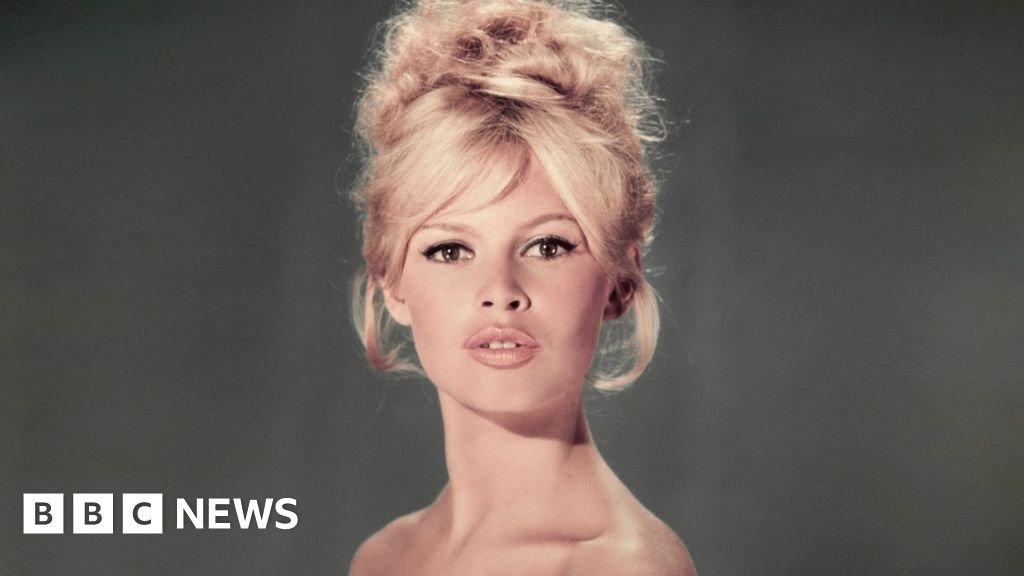
The Life and Legacy of Brigitte Bardot
Brigitte Bardot, who passed away at 91, dramatically transformed the portrayal of women in 1950s cinema, embodying the spirit of sexual liberation. Often characterized as a seductive icon, she captivated audiences with her unique blend of playful charm and sensuality. However, Bardot grew increasingly frustrated with the image imposed on her as a reckless sex symbol, ultimately stepping back from her acting career to focus on animal rights activism. Despite her contributions to cinema as a cultural touchstone, her later years were marred by controversy due to her inflammatory statements and strained family relationships.
Her Early Life
Born on September 28, 1934, in Paris, Brigitte Anne-Marie Bardot grew up in a wealthy and devout Catholic family. She shared a luxurious upbringing with her sister Marie-Jeanne, but their childhood came with strict expectations. Her parents imposed rigid standards, even resorting to harsh punishments for minor infractions.
Path to Stardom
During World War II, as German forces occupied Paris, young Bardot spent her days dancing and listening to records at home. Encouraged by her mother, she enrolled in ballet classes at seven, where she quickly stood out as an exceptional talent.
Breaking Into the Fashion Scene
Feeling confined by her surroundings, Bardot sought an outlet for her individuality. A family friend suggested she pose for the cover of Elle, a leading French magazine, which sparked instant acclaim. Unlike the conventional models of her time, Bardot showcased flowing hair and an athletic physique, becoming a symbol of a new generation’s style.
The Rise to Fame
Bardot’s image caught the eye of filmmaker Marc Allegret, who sent his assistant, Roger Vadim, to approach her. Despite some unsuccessful screen tests, Vadim became her mentor and soon, her romantic partner. Their relationship ignited a public scandal, particularly when her parents, concerned about their young daughter’s future, attempted to separate the couple.
Launch of a Career
Encouraged by Vadim, Bardot married him in December 1952. He played a crucial role in her rise to fame, guiding her toward acting roles while establishing her as a style icon through her appearances in striking swimwear. Her career took a pivotal turn when Vadim produced the 1956 film And God Created Woman, which became a groundbreaking portrayal of female desire.
Becoming an Icon
With her performance, Bardot became a sensation in America, stirring both admiration and outrage. Critics hailed her as an image of freedom, yet many condemned her behavior. The media branded her as reckless and immoral, especially after her public relationships further fueled speculation about her character.
Personal Struggles and Transformations
Following several romantic relationships, Bardot married actor Jacques Charrier in 1959 and became a mother to a son, Nicolas. However, her feelings about motherhood were tumultuous. She often expressed regret about her choices and, later, her son would sue her for emotional distress related to her remarks about preferring to have had a pet than giving birth.
Transitioning Careers
Bardot ascended to the peak of her Hollywood fame but yearned for recognition as a serious actress, voicing her frustrations over being typecast. Her notable work in Jean-Luc Godard’s Le Mépris showcased her acting prowess, yet the lure of her earlier image remained a hurdle in her career.
Advocacy and Controversy
After nearly five decades in the spotlight, Bardot decided to leave acting in the early 1970s, dedicating her life to animal welfare. She established the Brigitte Bardot Foundation and campaigned vigorously against animal cruelty, funded by auctioning her collectibles.
Public Backlash
In her later years, Bardot’s outspoken views led to a series of legal issues over accusations of hate speech. Her controversial statements regarding various religious groups and race earned her numerous fines and public scrutiny, overshadowing much of her earlier work and legacy.
Conclusion
Brigitte Bardot’s life was a complex tapestry of triumph and turmoil. From her status as a liberated film icon to her struggles with personal relationships and public missteps, she leaves behind a complicated legacy. While she transformed cinema and popular culture, her later life serves as a reminder of the burdens that can accompany fame.
Key Takeaways
- Brigitte Bardot redefined the image of women in 1950s cinema, representing a shift towards sexual liberation.
- Her career spanned decades, during which she became a cultural icon and a fashion pioneer.
- In her later years, Bardot transformed into an animal rights activist, dedicating her life to animal welfare causes.
- Despite her fame, Bardot faced significant controversy due to her later comments and legal troubles, impacting her legacy.