
The Stalled Repatriation of Rohingya Refugees Amid Myanmar’s Political Turmoil
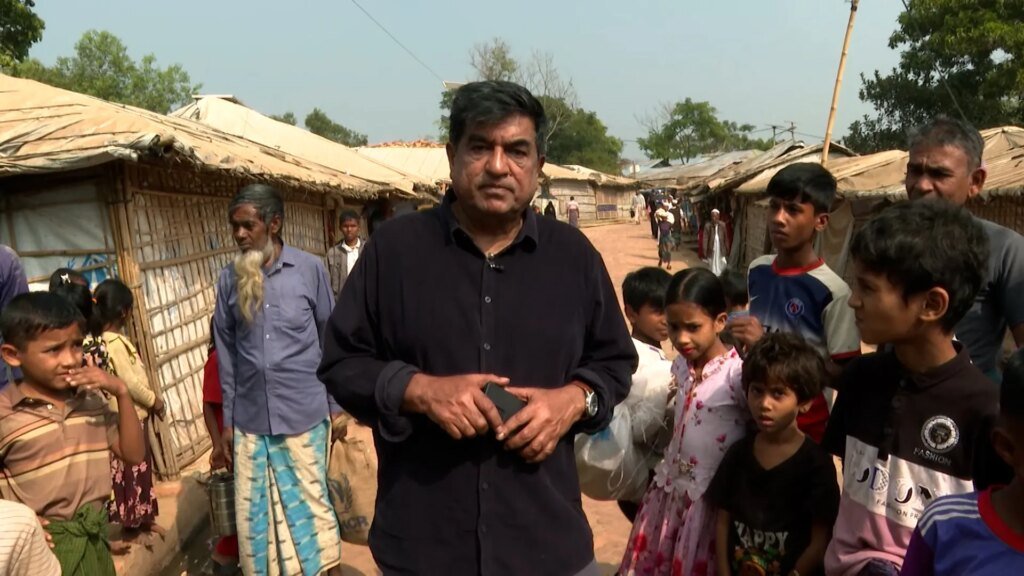
The plight of over a million Rohingya refugees in Bangladesh remains grim, especially in light of Myanmar’s recent elections. These refugees, who fled what the United Nations termed “genocidal violence” in Myanmar, see little hope for a change in their situation. The coup d’état in 2021 has escalated the already challenging circumstances for this persecuted Muslim minority. In this report, we delve into the ongoing challenges of repatriation efforts and the impact on the Rohingya community in Cox’s Bazar.
The Current Situation of Rohingya Refugees
Since the military takeover in Myanmar, efforts to facilitate the return of Rohingya refugees have ground to a halt. The refugees have faced immense challenges, including overcrowded living conditions and limited access to essential services in Bangladesh. Many have expressed concern that the recent elections in Myanmar will not usher in the political changes needed to ensure their safe return.
Obstacles to Safe Repatriation
Repatriation initiatives have been stalled for various reasons, primarily due to the ongoing instability within Myanmar. Many refugees fear for their safety if they return, given the systemic discrimination and violence they experienced prior to their departure. The political climate, characterized by military rule, has made it increasingly difficult for humanitarian organizations to operate effectively and advocate for the Rohingya.
The Role of the International Community
The international community has a crucial role to play in addressing the needs of the Rohingya population. Humanitarian aid is vital for sustenance and wellbeing, and ongoing pressure on the Myanmar military for accountability and reform is essential. However, many advocates stress that words must be accompanied by action to bring about meaningful change for the Rohingya refugees.
Looking Forward
As the Rohingya community continues to live in uncertainty, the need for sustained advocacy and humanitarian support becomes even more pressing. Stakeholders must work together to find viable pathways for repatriation that prioritize the safety and dignity of the refugees. The path ahead is fraught with challenges, but continued international attention could be a beacon of hope for the Rohingya seeking to reclaim their lives.
- Over a million Rohingya refugees in Bangladesh face dire conditions.
- The military coup in Myanmar has stalled repatriation efforts.
- Many refugees fear returning to an unsafe and discriminatory environment.
- International advocacy and humanitarian support are crucial for the Rohingya community.