
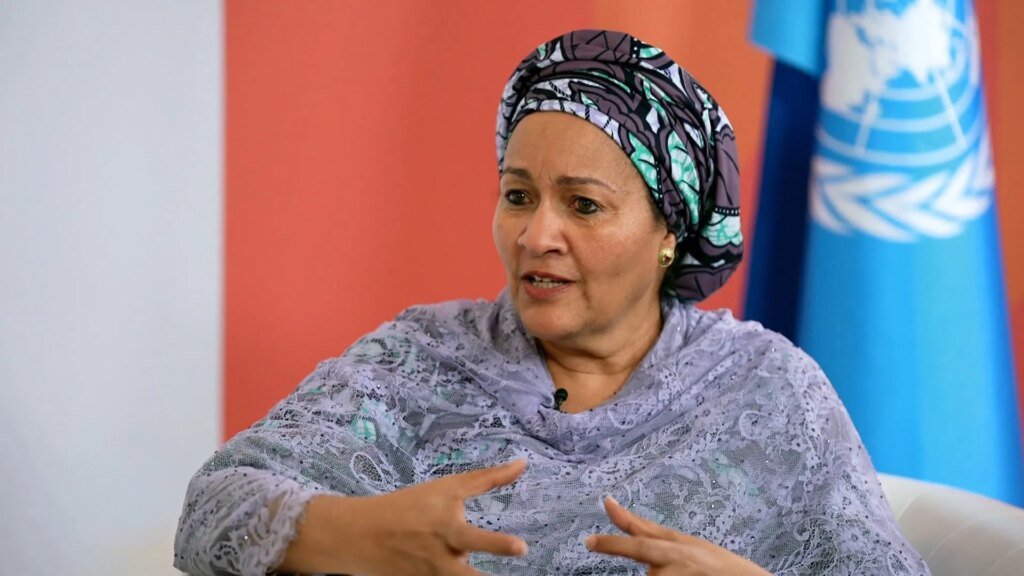
Escalating Violence Against Women: A Global Concern
The ongoing conflicts around the world are bringing to light an alarming trend: the rising violence against women and girls, often occurring with little to no accountability. From the mass rapes in Sudan to the assaults on educational institutions in Gaza and Syria, the situation remains dire. The United Nations Deputy Secretary-General, Amina Mohammed, highlights this urgent issue, emphasizing that the violence against women is not merely a background problem but a significant threat to peace and development.
The Harsh Realities of Conflict
In regions engulfed by conflict, women and girls are experiencing an upsurge in violence. As wars rage on, the mechanisms for protecting these vulnerable groups are disintegrating. Amina Mohammed notes that the crises extend beyond individual acts of violence, reflecting broader systemic failures in ensuring safety and support for women during these challenging times.
Patterns of Violence
The forms of violence faced by women vary significantly across different conflict zones:
- Sudan: Reports highlight incidents of mass rapes as a weapon of war, demonstrating a complete disregard for human rights.
- Gaza and Syria: Attacks on schools and shelters not only endanger lives but also disrupt essential services and support systems for women and children.
- Afghanistan: The segregation of women has become a harsh reality, limiting their freedoms and exposing them to heightened risks.
The Need for Action
As the political will diminishes and funding for protection efforts dwindles, the UN’s call to action grows more pressing. Amina Mohammed urges global leaders to recognize that violence against women should be prioritized on the international agenda. The absence of accountability for such crimes not only undermines societal structures but also perpetuates cycles of conflict.
Addressing Systemic Failures
To effectively combat this issue, comprehensive strategies must be developed. These should include:
- Increased funding for programs dedicated to protecting women in conflict zones.
- Implementation of strict accountability measures for those who commit acts of violence against women.
- Collaboration between international organizations and local communities to ensure holistic support systems are established.
Conclusion
The fight against violence towards women in conflict situations is an urgent matter that demands immediate attention. Recognizing it as a core issue, rather than a peripheral one, is essential for the safety and stability of communities affected by war.
Key Takeaways
- Violence against women in conflict zones is escalating, with severe implications for peace.
- Reports of mass rapes and attacks on shelters highlight the urgent need for protection and accountability.
- Political commitment and funding are crucial for improving safety and support for women.
- Developing systematic strategies can help address and mitigate the impacts of violence against women in such regions.