
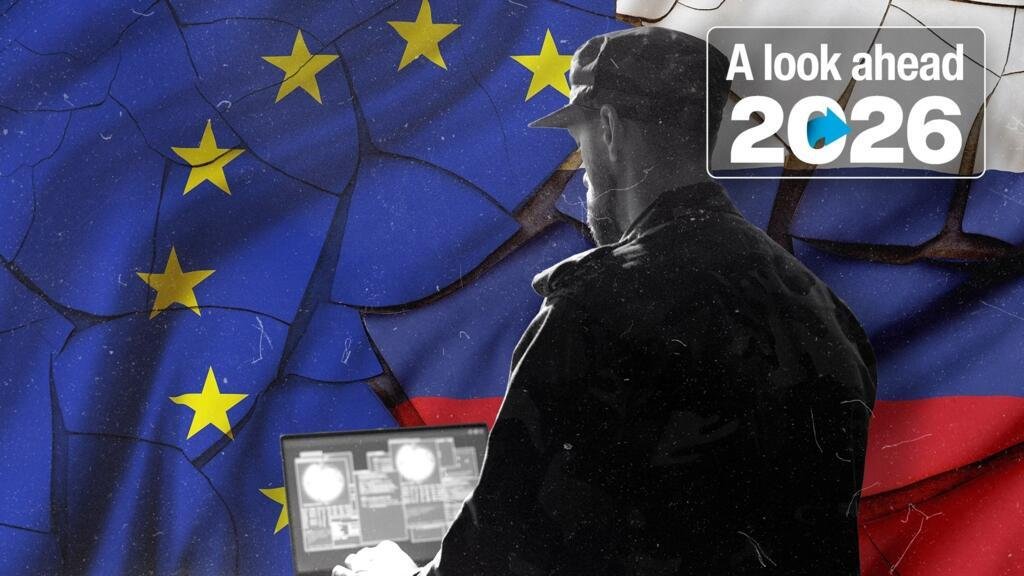
Shifts in Hybrid Warfare: The European Landscape in 2025
Throughout 2025, hybrid warfare operations captured significant attention across Europe, with various incidents such as sabotage, drone incursions, and attempted assassinations making headlines. Interestingly, despite the sustained focus, the frequency of these events saw a decline compared to the previous year. This raises a critical question: does this decrease indicate that the Kremlin is momentarily stepping back, or is it merely a shift in tactics as we approach 2026?
Understanding Hybrid Warfare
Hybrid warfare is a blend of conventional military strategies and unconventional tactics, including cyber operations and misinformation campaigns. This approach makes it difficult to identify the aggressor and complicates the response from affected nations.
Trends in 2025
The year was marked by a notable variety of incidents that emphasized the ongoing threat posed by hybrid warfare. While the total number of incidents decreased, the nature and implications of each event continue to keep governments and analysts on high alert.
Types of Incidents
- Sabotage: Instances where key infrastructures faced targeted attacks.
- Drone Incursions: Unauthorized drone activities that breached national airspace.
- Assassination Attempts: High-profile efforts aimed at political figures and activists.
The Impact of the Decrease
Though the reduction in incidents could be interpreted in various ways, it undoubtedly prompts a deeper analysis of current geopolitical strategies. Some observers speculate that the decrease may signal a reevaluation of tactics by the Kremlin, potentially in preparation for future engagements.
A Tactical Pause or Strategic Shift?
As we analyze these trends, it’s crucial to consider whether this is a tactical pause by the Kremlin or merely an adjustment in strategies. The shift could be aimed at minimizing backlash while reassessing operational effectiveness as the political landscape changes.
Conclusion
In summary, the hybrid warfare landscape in Europe during 2025 reveals both a drop in incident frequency and the continued relevance of these strategies. As nations assess the implications, understanding whether this decline is a temporary state or a shift in military strategy will be essential in the coming year.
Key Takeaways
- Hybrid warfare remained a focal point in Europe, with various incidents capturing headlines.
- The number of incidents showed a decline in 2025 compared to the previous year.
- This reduction raises questions about a potential tactical pause or a strategic reassessment by Russia.
- Understanding these shifts will be vital as we move toward 2026.