
Germany’s Military Outreach: Attracting a New Generation of Recruits
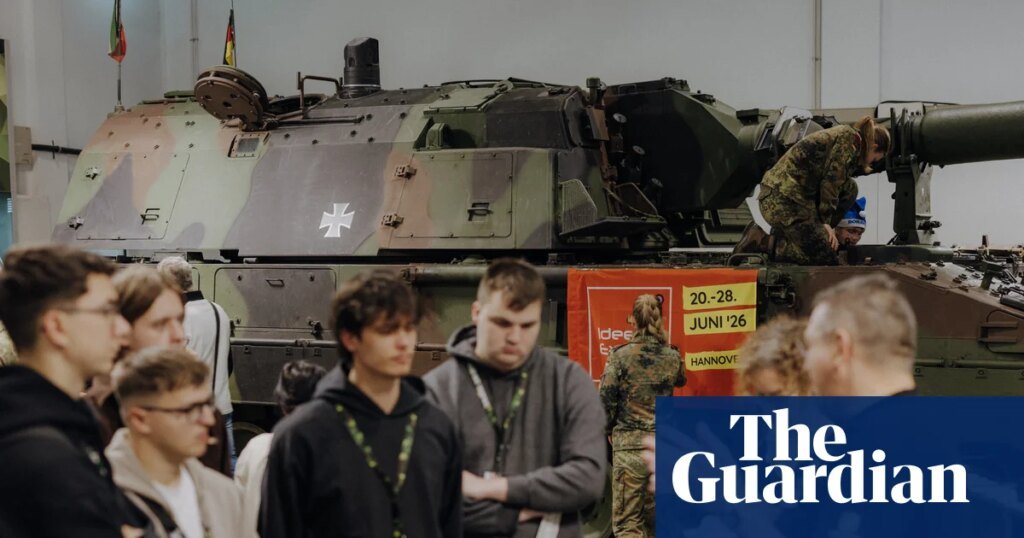
In the bustling atmosphere of the Essen Motor Show, young people are eager to learn about the capabilities of the Panzerhaubitze 2000, touted as “the most modern tank in the world.” Among them is Tom, a trainee car mechanic, who engages with Achim, a German military officer, eager to grasp the intricacies of this armored vehicle. This article delves into the German military’s bold recruitment campaign, aimed at revitalizing its forces in a rapidly changing geopolitical landscape.
Engaging the Future: A New Recruitment Strategy
The Bundeswehr, Germany’s army, is making a concerted effort to revitalize its ranks, targeting an increase of 80,000 active personnel and 140,000 reservists over the next decade. This ambitious project comes alongside an important mission: to reshape public perceptions of the military in a nation historically marked by pacifism.
The Need for Change
Experts argue that a stronger military presence is essential for safeguarding Germany’s interests, particularly in the face of regional conflicts. Starting January 1st, all young men turning 18 will be required to complete a questionnaire determining their eligibility for service, leading up to a health assessment that could identify potential recruits in case of a major conflict.
Incentives for Joining
In an effort to attract new recruits, the army plans to enhance salaries and offer various perks, including:
- Access to language classes
- Subsidized driving licenses
- Free second-class train travel when in uniform
- Opportunities for further qualifications
Maximizing Visibility and Engagement
The motor show is just one of many venues where the Bundeswehr is keen to showcase its offerings. From sports gatherings to truck stops, the army is setting up career lounges and hosting events tailored for diverse audiences, including women’s recruitment days at barracks.
Voices of the Young Generation
Tom, from Aachen, expresses his commitment to a military career, stating, “I’m nearing the end of my apprenticeship and aim to join the paratroopers to defend my country.” Similarly, Luca, a 21-year-old IT specialist, reflects on Germany’s decision to eliminate conscription during his schooling. He highlights the relevance of compulsory service, especially since recent global conflicts have shed light on the need for military readiness.
Community Perspectives
Opinion on military service is varied among citizens. Take Jennifer and Matthias Schleicher, who view the recent military investments as overdue. “It’s about time our army was strengthened,” Jennifer asserts, emphasizing the necessity of national defense. Yet, she acknowledges the complex nature of conscription with growing opposition among the youth.
Building Trust and Awareness
To facilitate dialogue, specially trained recruiters are available at events like the Essen Motor Show. Marco, overseeing the army’s exhibit, notes the increasing engagement level compared to previous years, citing a shift in public sentiment regarding military service.
A Personal Journey
Achim, who enlisted as a minor, shares his journey through various missions across Europe. His resolve centers on deterrence rather than aggression: “It’s about ensuring that no one feels emboldened to threaten our democracy.” This sentiment highlights the evolving role of the military in promoting peace and stability.
Conclusion
As the Bundeswehr implements its vibrant outreach strategy, aimed at drawing a new generation into military service, the response reflects a nuanced understanding of contemporary security needs and attitudes towards defense. The ongoing efforts to engage the youth in Germany signify a critical juncture in rebuilding the nation’s military infrastructure and its public support.
Key Takeaways
- The German military is actively seeking to increase its ranks and counter perceptions of militarization.
- Public outreach initiatives target diverse audiences to encourage enlistment.
- Current geopolitical tensions have shifted views on military service in Germany.
- Younger generations are becoming more open to the idea of national service in response to global security challenges.