
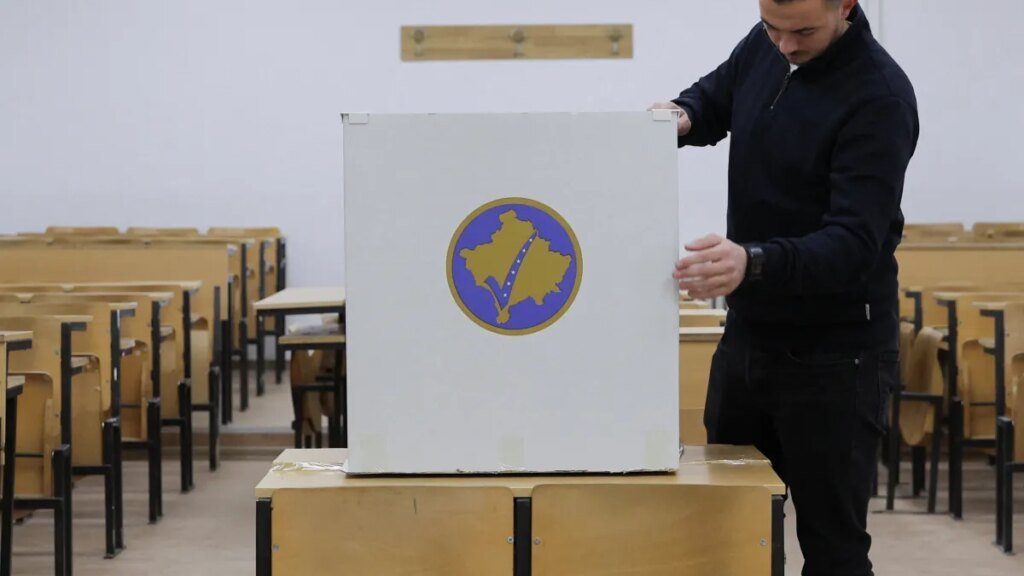
Kosovo’s Political Landscape: A Crucial Election Ahead
Once again, Kosovo heads to the polls as Prime Minister Albin Kurti and his Self-Determination Movement (LVV) seek to secure a parliamentary majority. This election, the second in less than a year, aims to break a persistent political deadlock that has gripped the nation. As voters cast their ballots, the stakes are high for both Kurti and the oppositional parties.
Election Details
Voting opened early on Sunday at 7 AM local time (06:00 GMT) and will continue until 7 PM (18:00 GMT), with exit poll results anticipated soon after the polls close. This snap election was prompted by the inability of Kurti’s party to form a government despite winning the most votes in the previous ballot held on February 9.
The Political Context
Should the current deadlock persist, Kosovo faces significant challenges, including the critical necessity to elect a new president by April and the urgency of ratifying €1 billion in loans from the European Union and World Bank that are set to expire soon.
Opposition Criticism
Opposition parties remain firmly opposed to governing alongside Kurti, citing issues related to his management of relationships with Western allies and his approach towards the ethnically-divided northern regions of Kosovo, where a notable Serb minority resides.
Challenges Ahead
Even with international support, Kosovo—a nation of approximately 1.6 million—grapples with poverty, instability, and organized crime. Kurti’s tenure, which began in 2021, marked a significant milestone as it was the first instance of a Pristina government completing a full term.
Promises for Change
In a bid to gain voter support, Kurti has made several ambitious pledges, including:
- An additional monthly salary for public sector employees.
- €1 billion per year allocated for capital investment.
- A new prosecutorial unit aimed at combating organized crime.
The opposition has also committed to prioritizing initiatives aimed at enhancing living standards for the citizens.
A Disillusioned Electorate
With the absence of published opinion polls in Kosovo, the election’s outcome remains unpredictable. Many voters express a sense of disillusionment, feeling unenthusiastic regardless of which party comes out on top. One voter, Edi Krasiqi, a doctor, expressed his concern: “There wouldn’t be great joy if Kurti wins, nor would there be if the opposition wins. This country needs drastic changes, and I don’t see that change coming.”
Tensions with Serbia
Formerly a province of Serbia, Kosovo declared its independence in 2008 following both an uprising and NATO intervention in 1999. This independence has been recognized by over 100 nations, though significant players like Russia, Serbia, Greece, and Spain remain opposed.
As a potential EU candidate, Kosovo’s relationship with Serbia remains contentious. In 2023, tensions escalated, resulting in the EU imposing sanctions on Kosovo. However, these sanctions are expected to be lifted after ethnic Serb mayors were elected in northern municipalities, despite the fact that these measures likely cost Kosovo hundreds of millions of euros.
A Path Forward
Despite its challenges, Kosovo remains committed to joining the EU. However, both Belgrade and Pristina need to normalize their relations before any progress can be made.
Conclusion
As Kosovo heads into this pivotal election, the future remains uncertain. With pressing political and economic issues at play, the outcome will be crucial not just for the parties involved but for the entire nation as it strives for a brighter future.
Key Takeaways
- Albin Kurti’s party is seeking to end a year-long political deadlock in Kosovo.
- The election is critical for upcoming presidential elections and major financial agreements.
- Public disillusionment remains a significant factor among voters.
- Tensions with Serbia still pose challenges to Kosovo’s aspirations for EU membership.