
Understanding the Implications of Recent US Strikes on ISIL in Nigeria
The recent military strikes carried out by the United States against alleged ISIL targets in northwest Nigeria have garnered significant attention, framed by Washington as a firm counter-terrorism initiative. For supporters of President Donald Trump’s administration, this unprecedented operation signifies a renewed commitment to combatting terrorism and upholds his assertion that action is needed to address what he has referred to as “Christian genocide” in Nigeria. However, this military action signals more than just a show of strength; it unveils deeper questions about its potential effectiveness and the broader context of Nigeria’s ongoing crisis.
The Complex Landscape of Violence in Nigeria
At first glance, military strikes may appear to be a straightforward solution, yet they overlook the complex realities fueling violence in Nigeria. The initial operation was conducted in Sokoto, a region plagued by turmoil for over a decade. However, the violence here is not primarily linked to an ideological insurgency connected with ISIL, as no known ISIL-affiliated groups operate in this area. The root causes stem from banditry, economic collapse in rural areas, and disputes over land use, with armed groups often motivated by profit rather than ideology.
The strikes seem to have targeted a relatively new group called Lakurawa, although any concrete ties to ISIL remain to be clearly established.
Boko Haram and ISIL’s Affiliates in Northern Nigeria
In northern Nigeria, the most recognizable ideological armed groups are Boko Haram and ISIL’s West Africa Province (ISWAP). Their activities are concentrated hundreds of kilometers away in the northeastern states of Borno, Yobe, and Adamawa, which have a long-standing history of insurgency. This raises critical questions about the strategy behind targeting Sokoto first; the rationale appears inconsistent and unclear.
Concerns Over Casualties and Misinformation
The ambiguity surrounding the potential casualties raises further alarms. Currently, there are no confirmed statistics on the impact of the strikes. Some social media platforms claim there were no casualties, indicating that the bombs may have fallen on unoccupied locations. Security analyst Brant Philip highlighted that while several strikes were launched, many of the intended targets were missed, creating uncertainty about the actual damage done.
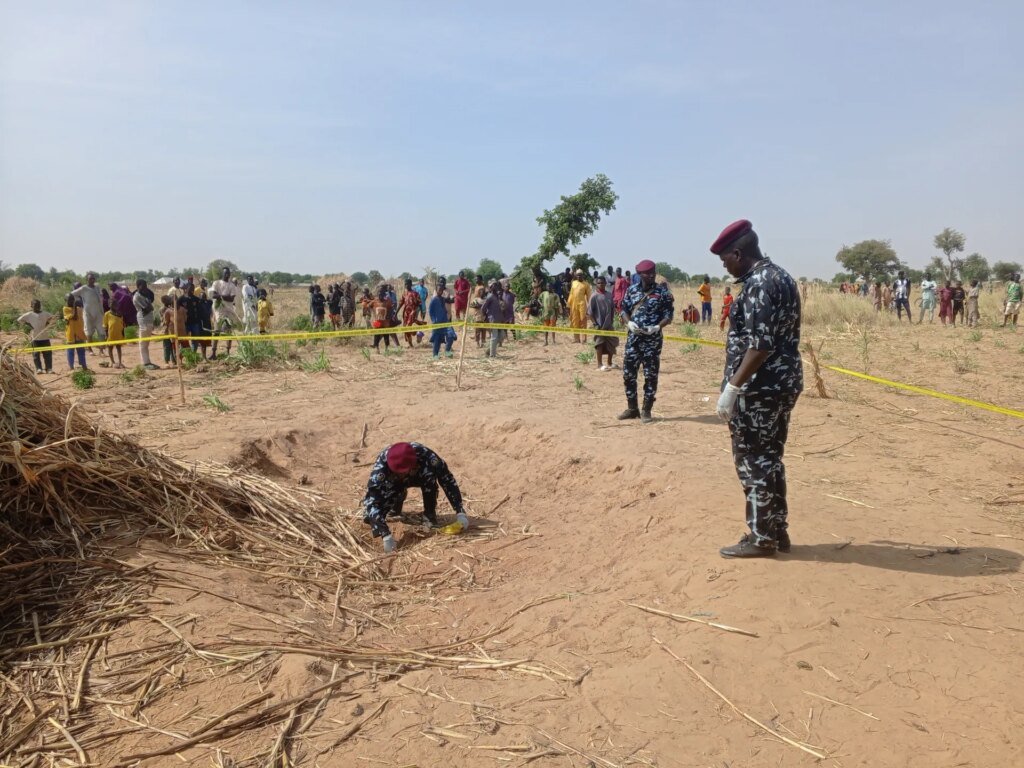
Local news reports indicated the attacks generated widespread panic, with some claims suggesting they struck districts previously untouched by violence. The full extent of the attacks, particularly in terms of civilian casualties, remains unclear. Various unverified accounts have circulated images depicting potential civilian injuries, illustrating the chaotic nature of information during armed conflicts.
The absence of clear data from the US government may deepen distrust among local communities already skeptical of foreign military interventions.
Timing and Symbolism: The Christmas Day Strikes
The timing of the attacks—on Christmas Day—carries significant emotional and political weight. For many Muslims in northern Nigeria, this could be perceived as support for a broader narrative framing the West as engaged in a “crusade” against Muslim populations.
Moreover, targeting Sokoto, historically a spiritual hub of the 19th-century Sokoto Caliphate, risks igniting anti-US feelings. Such actions can deepen religious divisions and provide hardliners with powerful narratives to exploit, possibly enhancing recruitment into extremist groups.
Looking Toward Sustainable Solutions
If air strikes are not a viable path toward enhancing Nigeria’s security, what alternatives exist? The answer lies not in increased military interventions from abroad, but rather in addressing deep-rooted governance failures that have perpetuated conflict. Key factors include weakened local security, systemic corruption, and inadequate state presence in rural regions, where people often turn to armed groups for security simply because the government is absent.
In the northeast, years of neglect and excessive governmental force have fostered conditions ripe for insurgency. A more effective security approach must be multidimensional, focusing on community-based policing, open dialogue, and pathways for deradicalization. There must be a state presence that prioritizes protection rather than punishment and enhances trust between citizens and their government.
While US strikes can create headlines and appease domestic audiences, they often do little to address the realities on the ground in Nigeria. Instead of bombings as a route to security, what is needed is long-term, localized reform aimed at rebuilding trust, supporting livelihoods, and strengthening state institutions. Anything less may only serve as a temporary distraction.
- US strikes in northwest Nigeria have raised questions about their efficacy in combating terrorism.
- The violence in Sokoto is rooted in issues like banditry and economic collapse, not ISIL ideology.
- The timing of the attacks could exacerbate anti-Western sentiments among local Muslim communities.
- A sustainable approach requires focus on governance, community policing, and local reforms rather than military intervention.