
Restoring Indigenous Rights in Fiji’s Coastal Waters
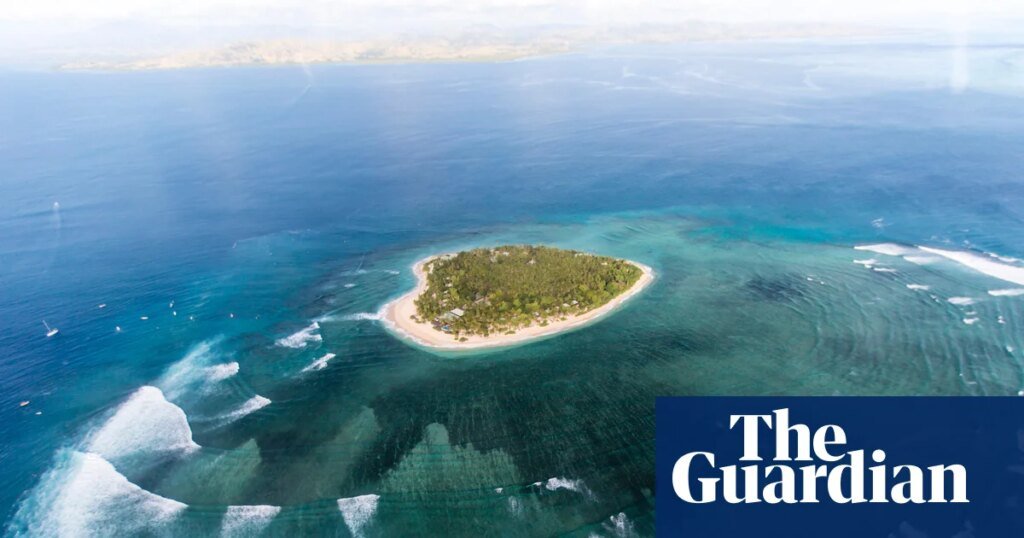
In Fiji, a profound connection to the sea begins at birth, as babies’ umbilical cords, or vicovico, are sometimes anchored in the reefs surrounding this Pacific paradise. This traditional practice among the iTaukei, the Indigenous Fijian community, symbolizes their enduring role as custodians of these waters. Unfortunately, a longstanding dispute over seabed rights has overshadowed this deep cultural bond, causing unrest in a nation that welcomes over a million tourists each year, many drawn to its exceptional surf breaks.
Challenges in Surfing Accessibility
For decades, locals faced restrictions regarding access to iconic surf spots like Cloudbreak, one of the world’s premier waves. This exclusion stemmed from a exclusivity agreement between a luxury resort and Fijian authorities established in the early 1980s. Ian Ravouvou Muller, an iTaukei surfer, shared painful memories of being forcibly removed from waters that hold great significance to him and his family. “We are a saltwater people,” he reflected, expressing the cultural devastation felt by local surfers.
In a pivotal shift, the regime led by Frank Bainimarama enacted a surfing decree in 2010, abolishing fees for using Fiji’s beaches, reefs, and lagoons. This marked an end to exclusive agreements, such as the one previously held by Tavarua Island Resort, which had compensated local tribes for private access to Cloudbreak. The decree opened the waters to both tourists and local surfers, sparking a new wave of talent, including Fiji’s first professional surfer. Nevertheless, this change came at the expense of the iTaukei’s traditional marine rights, leaving them out of the decision-making processes and profits as surf tourism flourished.
Government Initiative for Indigenous Empowerment
In an encouraging development, the Fijian government is now moving to restore governance rights to the Indigenous communities over marine areas, known as qoliqoli. This initiative aims to ensure that the iTaukei receive appropriate compensation for tourism and fishing operations in regions essential to their livelihoods.
During a recent parliamentary session, Viliame Gavoka, Fiji’s deputy prime minister and tourism minister, emphasized the importance of Indigenous involvement in tourism through proposed legislation. “This is one way Fiji can ensure our Indigenous communities are part of tourism in a big way,” he stated. This legislative push has sparked hope among the iTaukei, who see it as a critical step toward reclaiming their rights and benefits from tourism—a sector that significantly contributes to the national economy.
However, despite the optimism, concerns linger. Some tourism businesses have raised questions about the practical implications of the new bill, voicing a need for more clarity regarding its execution. Jon Roseman, managing director of Tavarua Island Resort, pointed to ongoing uncertainties regarding how the regulations will impact current leases and pricing structures.
A Long History of Struggle
The history of iTaukei rights in Fiji has been complicated, especially since the British colonial era, which began in 1874. Since Fiji gained independence in 1970, various attempts have been made to restore customary rights to the Indigenous people, but these efforts have often met resistance. The last significant attempt to advance qoliqoli rights failed in 2006, partially due to fears from the tourism industry about financial ramifications on hotels.
Experts argue that many of these concerns are exaggerated. “The policy objective has always been iTaukei empowerment,” said Usaia Gaunavou, director of iTaukei studies at the University of Fiji, adding that the current legislation could represent a historic milestone for Indigenous rights in the country. The tourism sector thrives on the allure of surfing, and it is evident that tourists already contribute significantly to the local economy through their spending on resorts and services.
As discussions on the new bill progress, consultation with community members continues. Proposals for financing mechanisms, like a potential “sustainability tax” for incoming tourists, are on the table. “At its best, this law supports inclusive tourism that elevates all societal sectors while ensuring the sustainability of Fiji’s natural resources,” Dr. Paresh Pant, chief executive of Tourism Fiji, noted.
For those intimately connected to the ocean, such as Ian Ravouvou Muller, this shift represents a long-awaited opportunity for justice and preservation of their cultural heritage. “We are correcting the wrongs of the past,” he remarked, advocating for a future that honors the traditional relationship between the iTaukei and their cherished marine environment. “For us, this is surf redemption.”
- Indigenous Fijians practice cultural connections to the ocean from birth.
- A controversial exclusivity deal restricted local access to surf spots like Cloudbreak until 2010.
- The Fijian government is re-establishing rights for Indigenous communities over marine areas.
- Despite optimism, concerns about the bill’s implementation and impacts on tourism remain.