
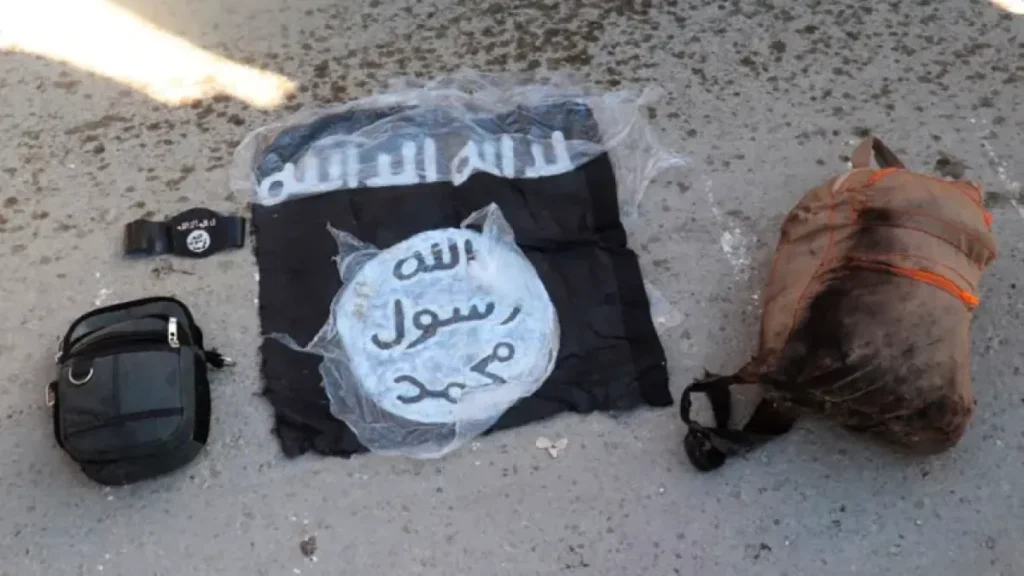
Understanding the Recent ISIL Attack in Palmyra
On December 13, a troubling incident occurred when a joint US-Syrian patrol was ambushed near Palmyra, a historic city previously controlled by the ISIL group. This attack resulted in the tragic deaths of two US soldiers and an interpreter, while four more individuals sustained injuries. The assailant, identified as a member of Syria’s own security forces, was subsequently killed by Syrian personnel. This unfortunate event raises questions about the evolving dynamics of US-Syrian cooperation against the backdrop of ISIL’s enduring threat.
The Attack and Immediate Aftermath
Following the ambush, both US and Syrian officials established a connection between the assailant and ISIL, an organization that once dominated significant regions in Syria and Iraq. They expressed intentions to respond decisively to this act of violence. The attack underscores the increasing collaboration between the United States and Syria in their ongoing fight against ISIL, especially since Syria’s recent alignment with the US-led coalition in November.
Cooperation Between the US and Syrian Forces
Although there are uncertainties surrounding the affiliations of the attacker, experts believe that the relationship between the two nations is strengthening. Rob Geist Pinfold, an international security scholar at King’s College London, emphasized that the Syrian government’s response to combat ISIL has intensified, particularly following requests from the US. He noted that the group Hayat Tahrir al-Sham (HTS), prior to its governance role, actively fought against ISIL, a trend that appears to be continuing.
Noureddine al-Baba, spokesperson for Syria’s Minister of Interior, clarified that the gunman lacked a direct link to the command structure of Syria’s internal security forces and was not part of the escort detail for the US forces. Ongoing investigations aim to ascertain whether the attacker had connections to ISIL or was influenced by extremist ideologies.
A Historical Context of ISIL in Palmyra
Palmyra was overtaken by ISIL in May 2015, leading to a turbulent back-and-forth between regime forces and the group until ISIL was expelled in 2017. The US-led coalition also forced ISIL from Raqqa, which had been declared the capital of their self-styled caliphate. Many remaining ISIL fighters are currently held in al-Hol and Roj camps in northeastern Syria, controlled by the US-backed Syrian Democratic Forces (SDF). Meanwhile, some have escaped to the expansive Syrian desert surrounding Palmyra, launching sporadic attacks.
After the fall of former President Bashar al-Assad’s regime, the chaos that ensued provided ISIL an opportunity to penetrate various cities. In June, they attacked a church in Damascus, resulting in the loss of at least 25 lives. Current estimates suggest that ISIL’s active membership in Iraq and Syria ranges between 3,000 and 5,000 fighters. Experts indicate that the collaboration between Damascus and Washington is improving, leading to increased successes in thwarting ISIL’s plans.
Decrease in ISIL Attacks
Reports from consulting firms note a sharp decline in ISIL attacks in Syria due to heightened collaboration. In 2024, ISIL executed approximately 63 attacks monthly, but this figure plummeted to just 10 in 2025. Some analysts attribute this decrease to the easier cooperation established post-arrival of HTS forces in Damascus.
Challenges in Security Integration
As questions arose concerning the enforcement of security post-Assad, Syria’s security apparatus undertook a significant recruitment initiative, merging former opposition fighters into the nation’s security forces. However, this overwhelming influx of recruits brought challenges in vetting and oversight.
Nanar Hawash of the International Crisis Group pointed out that the Palmyra attack reveals deeper systemic issues rather than being an isolated incident. The swift recruitment process has produced uneven oversight, enabling extremist beliefs to persist. As a result, analysts caution that additional attacks may be on the horizon, particularly if necessary reforms are not promptly implemented to enhance security protocols.
ISIL’s Evolving Strategy
ISIL’s strategies have also evolved since the fall of al-Assad. Analysts note that the group is now focused on destabilizing regions rather than seeking territorial control. Their methods aim to remain relevant by targeting state security forces and religious minorities. The recent attack in Palmyra exemplifies how a single operative can inflict harm and disrupt diplomatic relations.
Experts agree that ISIL thrives in power vacuums, taking advantage of conflicts between the SDF and Damascus. This situation presents an ongoing risk, especially considering the number of ISIL’s seasoned fighters and commanders held in the SDF-managed al-Hol and Roj camps.
Conclusion
The ambush in Palmyra serves as a stark reminder of the ongoing threat posed by ISIL, even amidst the newly strengthened cooperation between Syrian and US forces. As both nations navigate this complex landscape, the challenge of maintaining security remains paramount.
Key Takeaways
- A joint US-Syrian patrol suffered an attack by a member of Syrian security forces, raising concerns over ISIL’s enduring influence.
- Collaboration between the US and Syrian forces has reportedly strengthened, leading to a reduction in ISIL-related attacks.
- Challenges in vetting new recruits within Syria’s security apparatus point to systemic issues that could allow future attacks.
- ISIL’s focus has shifted to destabilization tactics, indicating a shift in their operational priorities.