
Netanyahu’s Persistent Push for Military Action Against Iran
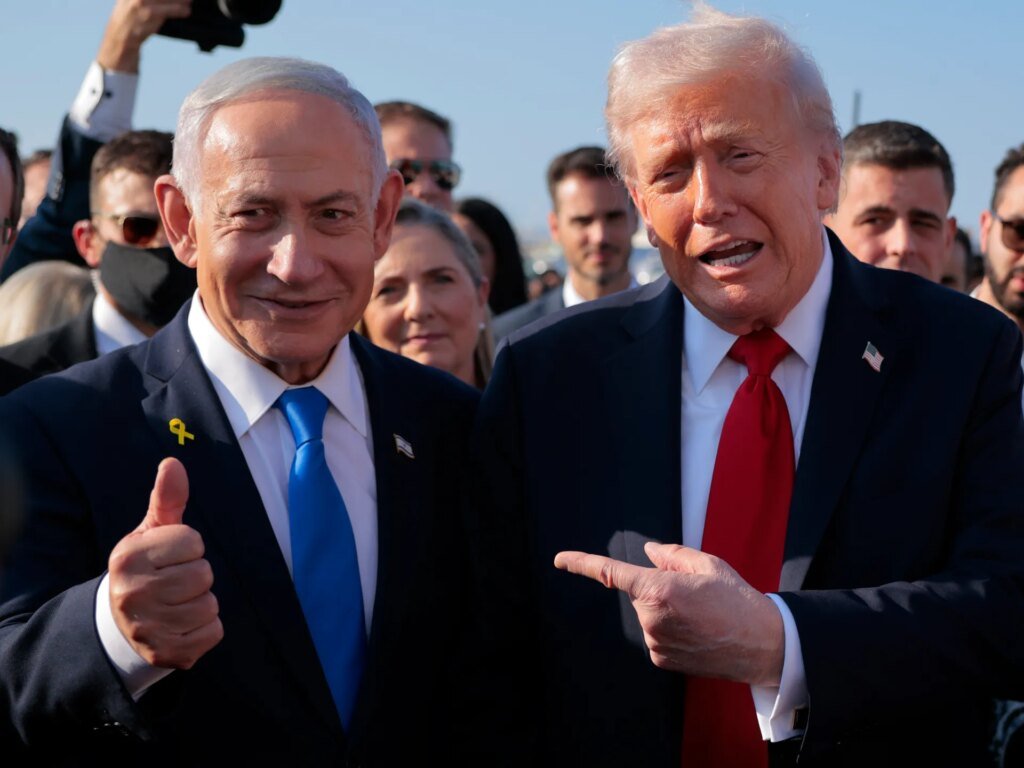
For over three decades, Israeli Prime Minister Benjamin Netanyahu has sounded the alarm regarding the Iranian threat, both to Israel and globally. Recently, U.S. President Donald Trump responded to these concerns by ordering strikes on Iran’s nuclear sites in June. Despite these actions, Netanyahu appears eager for more aggressive military steps when he visits Trump at Mar-a-Lago this Sunday, particularly focusing on Iran’s missile program.
The Growing Tension Over Iran’s Missile Program
U.S. and Israeli officials are once again raising the stakes concerning Iran, asserting that the nation’s missile capabilities require immediate intervention. This shift towards military engagement comes at odds with Trump’s broader foreign policy of fostering economic ties and stability in the region.
Sina Toossi, a senior fellow at the Center for International Policy, elucidates that while Trump seeks to strengthen relations between Israel and Arab nations, Netanyahu’s aspirations lean toward military supremacy in the region. Toossi argues, “This yearning for ongoing U.S. involvement reflects Israel’s objective of unchallenged dominance and expansionist ambitions.”
The U.S. Perspective on Middle Eastern Stability
Since facilitating a ceasefire in Gaza, Trump has positioned himself as a peacemaker, even claiming to have ushered in a lasting peace in the Middle East for the first time in millennia. His National Security Strategy emphasizes a shift in the region toward “partnership, friendship, and investment,” minimizing America’s military footprint.
Israel’s Strategy amid Changing American Dynamics
As the United States signals a reduction in its strategic engagements in the Middle East, Israel seems to be intensifying its calls for military action, framed around the looming threat of Iran. Historical concerns over Iran’s nuclear capabilities have shifted, especially following Trump’s assertions that recent airstrikes effectively dismantled this threat.
Commentators like Trita Parsi from the Quincy Institute suggest that as Trump has deemed the nuclear issue resolved—“rightly or wrongly”—Israel has turned its focus to missile threats as a new rallying point for action against Tehran. Parsi states, “Netanyahu is attempting to persuade the U.S. to join Israel in another conflict, this time pivoting towards Iran’s missile capabilities.”
The Ongoing Conflict Dynamics
Iran has consistently maintained that its nuclear ambitions are strictly peaceful, contrasting with Israel’s perceived arsenal. Despite the recent conflict where Iran launched hundreds of missiles, it was Israel that initiated the hostilities.
Concerns Over Iranian Missile Development
Supporters of Israel are attentively questioning Iran’s advances in missile technology, stressing that Tehran is increasing its production capacity. An email from the American Israel Public Affairs Committee noted: “Despite Operation Rising Lion, Iran still possesses around 1,500 missiles from an initial count of 3,000.”
Political Rhetoric from Israeli Leaders
Israeli officials, such as Defence Minister Israel Katz, have publicly addressed these concerns, emphasizing a zero-tolerance approach to perceived threats. “What existed before October 7 will not be allowed again,” Katz remarked, referencing the recent attacks by Hamas.
Criticism of Israel’s Intentions
Critics point to Israel’s broader aims, suggesting that their military engagements are less about self-defense and more focused on establishing hegemony. The overarching strategy appears to involve either the alteration of Iran’s government or continued operations that undermine its military strength.
“The cycle of Israel proposing military action will persist until Trump decides to cease it,” warns Parsi. He outlines the dilemma facing Trump and the Republican Party—balancing pressures from both voters and influential donors.
Trends in American Foreign Policy
Trump’s base, which was once defined by a hawkish attitude towards Iran, has since evolved to favor non-involvement in foreign conflicts. Voices from within this movement have increasingly called for a focus on domestic issues rather than military intervention abroad, indicating a split in alliances.
The Risks of Escalation
Following the U.S. strikes in June, the situation has evolved. Trump is careful to navigate his support for Israel while avoiding entanglement in further conflict. Observers caution that a new military strike could be much harder to control than prior engagements.
Parsi warns of potential unilateral Israeli actions leading to increased U.S. involvement: “If the U.S. wants to avoid conflict, they must clearly communicate to Israel not to initiate any military action.” He reinforces the need for a transition towards a more peaceful approach, as outlined in Trump’s National Security Strategy.
Conclusion
The delicate balance of military and diplomatic relations in the Middle East remains fraught with tension. As Netanyahu presses for increased military action against Iran, the shifting perspectives within U.S. foreign policy create a complex landscape for both leaders. The coming months will be critical as stakes continue to rise, highlighting the need for clear communication and strategic foresight.
Key Takeaways
- Netanyahu continues to advocate for military action against Iran, focusing on missile threats.
- Trump’s foreign policy emphasizes regional stability and reduced military presence.
- Critics argue Israel seeks dominance rather than mere self-defense in the region.
- Public sentiment in the U.S. may increasingly oppose further military interventions.