
China Responds to US Arms Sales to Taiwan with Sanctions
In a significant escalation of tensions between China and the United States, China’s foreign ministry has imposed sanctions on several US defense companies, including Boeing, following a substantial arms sales package approved for Taiwan. This development highlights the ongoing friction surrounding Taiwan’s geopolitical status and its implications for US-China relations.
The Details of the Sanctions
On Friday, the Chinese foreign ministry announced sanctions targeting ten individuals and twenty US firms, most notably Boeing’s facility in St. Louis, Missouri. These measures will freeze any assets these entities hold within China and prohibit domestic firms and individuals from engaging in business with them.
This action comes in the wake of the Trump administration’s announcement of an arms sales package to Taiwan, which is valued at over $10 billion. This transaction, comprising items such as medium-range missiles and drones, marks the largest weapons sale recorded in the history of US-Taiwan relations.
The Broader Context of US-China Relations
The issue of Taiwan is particularly sensitive for China, which insists on its reunification with the People’s Republic, a stance firmly rejected by the democratically governed Taipei. This has contributed to already strained US-China relations, which have been complicated further by ongoing trade disputes and tariff challenges.
Among those included in the sanctions are executives from the defense sector, specifically the founder of Anduril Industries and nine senior officials from the affected companies, all of whom are now banned from entering China. Boeing’s production center in St. Louis previously faced labor challenges as well, with over 3,000 union workers striking over pay earlier this year.
China’s Firm Statement
A spokesperson for the Chinese foreign ministry emphasized that the Taiwan issue represents a critical concern for China’s national interests. They stated, “Any provocative actions that cross the line concerning Taiwan will be met with a strong response from China,” urging the US to cease its “dangerous” efforts to supply arms to Taiwan.
Legal Obligations and International Implications
Despite the mounting tensions, US law mandates the country to furnish Taiwan with the capabilities necessary for self-defense. However, these arms sales consistently provoke backlash from China, further complicating diplomatic relations.
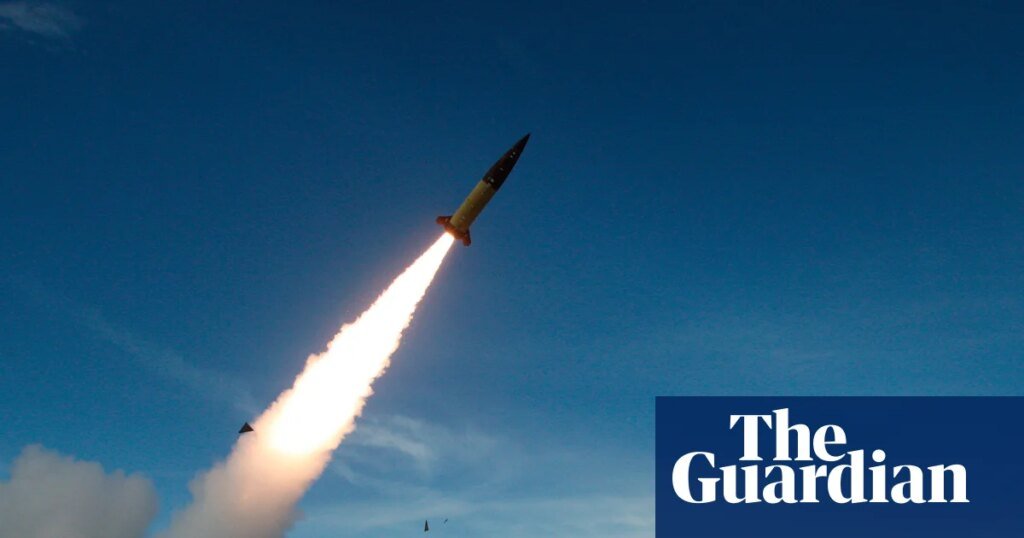
The historic arms sale encompassed eight agreements, including 420 Army Tactical Missile Systems (Atacms), which are comparable to systems provided to Ukraine under the Biden administration. The US State Department justified the sales, citing their alignment with national security, economic interests, and Taiwan’s pursuits to modernize its military forces.
Conclusion
The imposition of sanctions by China against US defense companies underscores the deepening rift between the two nations. As tensions involving Taiwan persist, the global impact of these developments remains to be seen.
- China has sanctioned US defense companies, including Boeing, in response to a major arms sales package to Taiwan.
- The sanctions affect ten individuals and twenty firms, freezing their assets in China.
- This conflict highlights ongoing tensions regarding Taiwan’s political status and US-China relations.
- The recent arms deal is the largest in the history of US-Taiwan relations, including numerous military systems.