
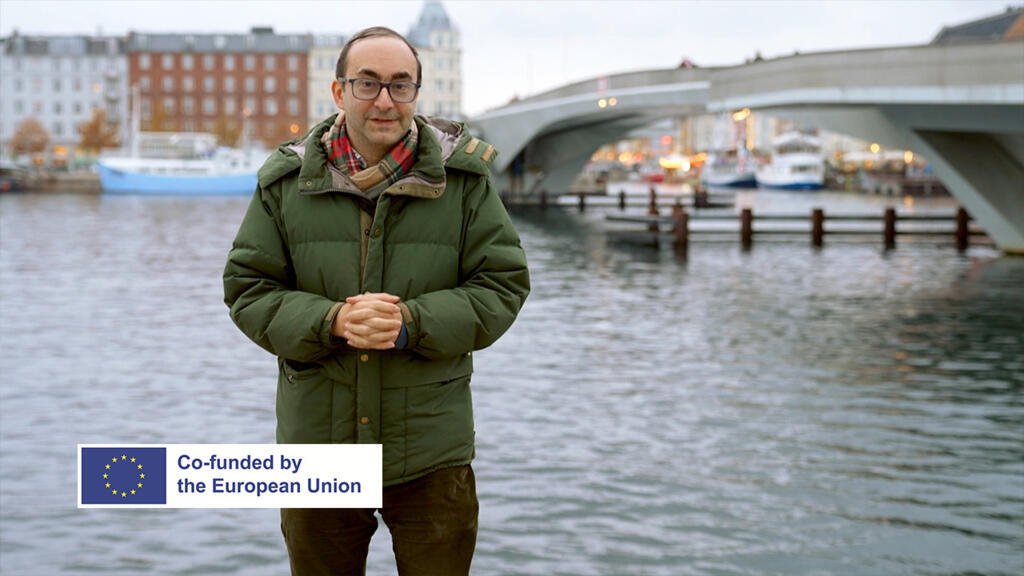
Exploring Denmark: A Look at the Kingdom’s Economy and Key Issues
This article takes you on a journey to Denmark, a Scandinavian nation that has garnered attention this year due to its role as the rotating presidency of the European Council. From July to December, Denmark has been at the forefront of crucial discussions around migration and energy transition. In the following sections, we’ll delve deeper into Denmark’s economy and the pressing matters it faces today.
Denmark’s Economic Landscape
Denmark boasts a robust economy characterized by a high standard of living and a well-functioning welfare state. The nation’s financial health is backed by a strong labor market and a diverse industrial base, including sectors like pharmaceuticals, shipping, and renewable energy.
Key Industries Driving Growth
Several industries play a vital role in Denmark’s economic success:
- Pharmaceuticals: Denmark is home to some of the world’s leading pharmaceutical companies, continually pushing the envelope in innovation and research.
- Green Technology: The country is a pioneer in renewable energy, particularly wind power, which significantly contributes to its economy.
- Agriculture: Denmark’s agricultural sector remains strong, with a focus on sustainability and high-quality exports.
Challenges Facing the Economy
Despite its strengths, Denmark grapples with certain challenges:
- Labor Shortages: As the economy expands, finding skilled labor has become increasingly difficult, which could hinder growth.
- Housing Market Pressure: Rising property prices in urban areas pose concerns for affordability and accessibility.
Migration and Energy Transition Initiatives
As Denmark addresses its responsibilities within the European Council, migration policies and energy transitions are crucial focuses. The country advocates for balanced migration policies while promoting an ambitious agenda for transitioning to sustainable energy sources.
The Role of Sustainable Practices
Denmark is recognized for its commitment to sustainability. The country is not only investing in wind energy but is also working towards becoming carbon neutral by 2050, setting a global benchmark for environmental responsibility.
Conclusion
Denmark stands out not just for its economic prowess but also for its proactive engagement in global issues like migration and energy transformation. As it continues its presidency, the insights gained from its experiences will be invaluable to the broader European context.
Key Takeaways
- Denmark has a strong economy, bolstered by diverse sectors like pharmaceuticals and renewable energy.
- The nation faces challenges, including labor shortages and rising housing costs.
- Denmark is committed to sustainability, aiming for carbon neutrality by 2050.
- The country plays a key role in shaping migration policies and energy transitions in Europe.