
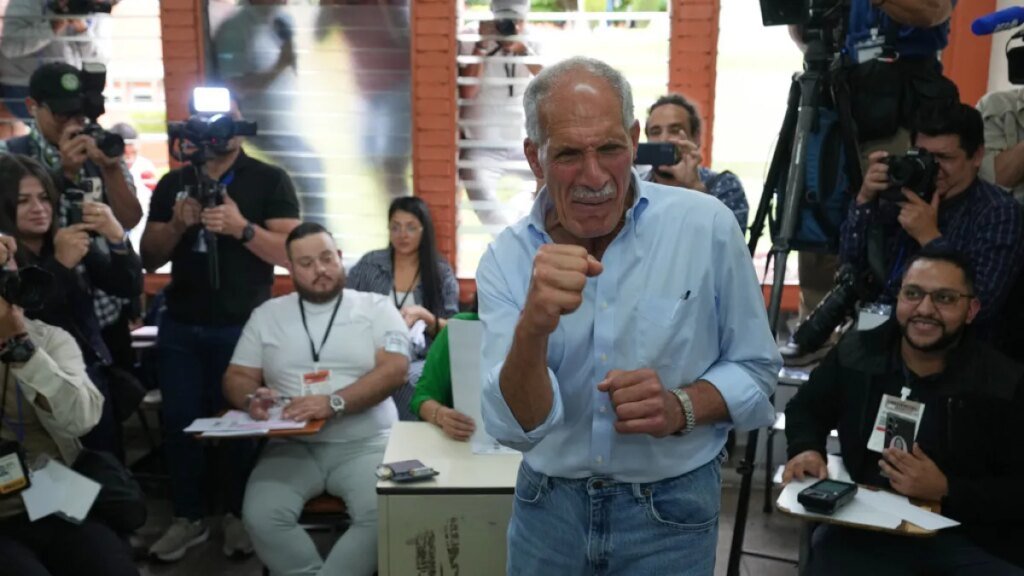
Honduran President-Elect Nasry Asfura Receives Support from U.S. Diplomacy
In a significant diplomatic gesture, U.S. Secretary of State Marco Rubio has expressed his congratulations to Honduran President-elect Nasry Asfura following his controversial election victory, which saw backing from former President Donald Trump. Their recent conversation highlighted plans for collaboration in areas such as trade and security, reinforcing U.S. interests in the region.
The Election and Its Aftermath
Asfura declared a narrow victory in the elections held on November 30, amidst a backdrop of heightened tension and allegations of electoral fraud. Following extensive counting, the election authority confirmed Asfura’s win, attributing him 40.27 percent of the vote, just ahead of Salvador Nasralla from the center-right Liberal Party, who garnered 39.53 percent.
Support from U.S. Officials
The State Department relayed that during their phone conversation, Secretary Rubio acknowledged Asfura for his commitment to U.S. strategic aims, particularly in enhancing bilateral and regional security and strengthening economic relationships between the two nations.
Asfura’s Commitment
In a video address, Asfura expressed gratitude for his election and pledged to work diligently for the benefit of Honduras. “Today, with deep gratitude, I accept the honour of being able to work for you. I extend my hand so we can walk together with determination to work tirelessly for Honduras. I will not fail you,” he stated, indicating his readiness to lead the country.
Opposition Concerns
However, both Nasralla and Rixi Moncada from the left-leaning LIBRE Party, who finished third, have voiced serious concerns regarding the election results. Nasralla accused election authorities of betraying the Honduran populace and criticized Trump for implying that any outcome other than Asfura’s victory could jeopardize U.S. economic relations with Honduras.
“Mr. President, your endorsed candidate in Honduras is complicit in silencing the votes of our citizens,” Nasralla remarked on social media. He challenged Asfura’s legitimacy, questioning his commitment to transparency by demanding a complete count of all votes.
Historical Context
Honduras has faced numerous disputed elections since a U.S.-supported coup in 2009. Protests following the latest election have remained largely nonviolent, although tensions persist.
Moreover, prior to the election, Trump controversially pardoned former Honduran President Juan Orlando Hernandez, who faced convictions related to drug trafficking during his administration. This action came amid the U.S. seeking to focus its foreign policy more intently on Latin America.
Asfura’s Background
Asfura, previously the mayor of Tegucigalpa, Honduras’s capital, has roots in Palestine but leads a National Party that staunchly supports pro-Israel policies. Under Hernandez’s leadership, Honduras notably relocated its embassy in Israel to Jerusalem, breaking international law regarding such actions.
Asfura is also known for aligning himself with Trump and other right-leaning leaders in the Americas, such as Argentina’s Javier Milei, underscoring a shared ideology among various political figures in the region.
Conclusion
The recent developments in Honduras following Nasry Asfura’s election underscore a complex interplay between local politics and international diplomacy, particularly concerning U.S.-Honduran relations. As the new administration prepares to take charge, both opportunities and challenges lie ahead.
Key Takeaways
- Secretary of State Marco Rubio congratulates President-elect Nasry Asfura, emphasizing U.S. strategic goals.
- Asfura’s election victory is marred by allegations of electoral fraud and contestations from opposition candidates.
- The political landscape in Honduras continues to evolve amidst past controversies and external influences.
- Asfura’s policies may impact U.S.-Honduran relations, particularly in trade and security cooperation.