
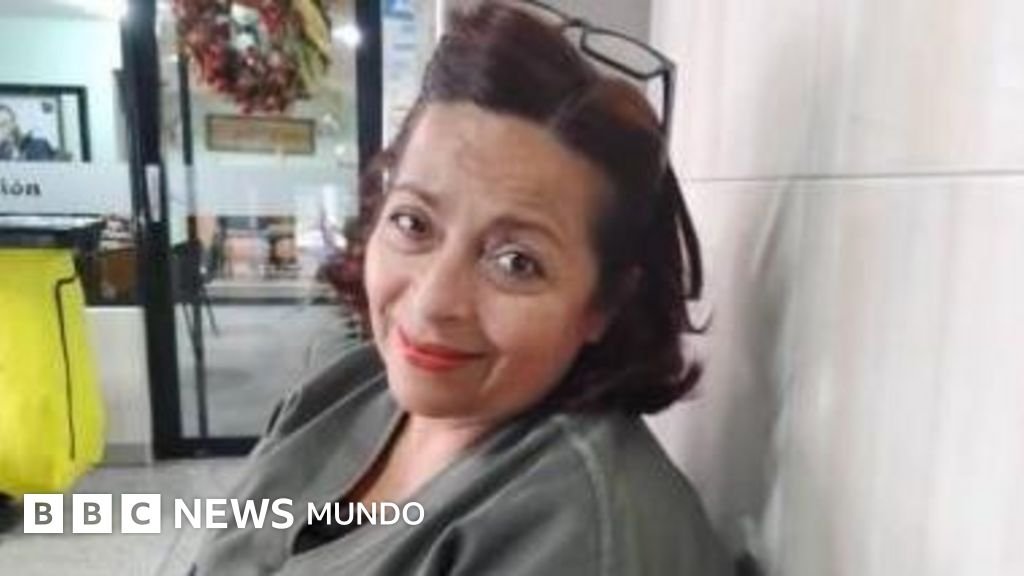
The Imprisonment of Dr. Marggie Xiomara Orozco Tapias: A Case of Free Expression in Venezuela
Dr. Marggie Xiomara Orozco Tapias, a 65-year-old physician, has been sentenced to 30 years in prison—a sentence usually reserved for serious crimes such as murder and kidnapping. The troubling aspect of her case is that she did not commit any violent act; her supposed crime was calling for citizens to oppose President Nicolás Maduro during the 2024 presidential elections through a WhatsApp audio message. This article delves into the circumstances surrounding her conviction, the implications for freedom of speech, and the broader context in Venezuela.
The Background of the Case
On August 5, 2024, police apprehended Dr. Orozco just days after the presidential elections, which were allegedly won by Maduro, although he has yet to provide evidence to support this claim. Dr. Orozco’s son, Paul Ruiz, shared that the police arrived at their home at night and assured her she was not being arrested, but merely needed to accompany them for an interview. The family faced three days of uncertainty regarding her whereabouts.
Her audio message had been reported by government supporters who threatened her with the loss of state-provided benefits, such as food and cooking gas supplies. This situation exemplifies a growing trend of legal actions against individuals exercising their right to free expression, a right the Venezuelan authorities claim is not absolute.
The Conviction: A Grievous Misinterpretation
In an alarming turn of events, Dr. Orozco was sentenced for alleged treason, conspiracy, and incitement to hatred on November 16, 2024. Observers noted that the presiding judge, Luz Dary Moreno Acosta, expressed that such statements jeopardize peace in Venezuela and imply foreign intervention, particularly from the United States.
Rather than inciting violence or foreign invasion, Dr. Orozco had simply urged her community to vote against Maduro and encouraged her neighbors to stop supporting a failing government. Her son contended that her words did not constitute a crime, emphasizing that she did not call for any form of violence.
The Strain of Injustice
Despite suffering a heart attack during her year in detention, Dr. Orozco did not receive leniency during her trial. Judge Moreno denied her request for house arrest, citing potential flight risks and concerns about witness tampering. This occurred shortly after top Venezuelan officials warned that they would track down anyone advocating for foreign intervention.
Recent military maneuvers by the U.S. in Caribbean waters have been viewed by Caracas as an ulterior motive for regime change rather than a drug trafficking initiative.
The Legal Framework and Its Abuse
Reports indicate that Dr. Orozco’s case is not an isolated incident. The legislation invoked against her includes the controversial Anti-Hate Law, which punishes public incitement of hatred and violence. The law’s vagueness has drawn criticism from human rights organizations, as it can be used to silence dissent and strike fear into those wanting to express criticism.
Between 2021 and 2023, over 20 individuals faced arrest for sharing their opinions through digital platforms, highlighting a climate of fear over political expression in Venezuela.
The Ripple Effect of Fear
The cases of others like Marcos Palma and Randal Telles reveal a disturbing pattern, where merely voicing grievances about public services or criticizing the government can lead to harsh sentences. As a measure of caution, many Venezuelans have resorted to self-censorship, frequently deleting digital messages to evade governmental scrutiny.
Calls for Justice and Reform
Critics argue that the judicial system in Venezuela lacks independence and primarily acts as an extension of state repression. Experts urge that laws, such as the Anti-Hate Law, have a chilling effect on public discourse. Prominent legal voices question the legitimacy of applying conspiracy and treason charges against Dr. Orozco, stressing that her comments reflected personal suffering rather than any criminal intent.
While Dr. Orozco’s family maintains that she has never engaged in political activities, it’s evident that her case reflects deeper issues—challenges to civil liberties and freedom of expression plaguing Venezuela.
Conclusion
Dr. Marggie Xiomara Orozco Tapias’ sentencing underscores the significance and fragility of free speech in Venezuela. Her story serves as a stark reminder of the consequences faced by those who dare to voice dissent in a politically repressive environment. The ongoing situation calls for an urgent re-evaluation of laws that infringe upon individual rights and an appeal for greater freedoms in a country marked by turmoil.
Key Takeaways
- Dr. Orozco received a severe prison sentence for expressing her opinion via a WhatsApp message.
- The Venezuelan government is actively suppressing free expression through harsh laws and legal actions.
- There is a growing atmosphere of fear that discourages open discussion and dissent in the country.
- The lack of judicial independence raises concerns about the fairness and legality of such governmental actions.