
The Changing Demographics of Pagliara dei Marsi: A Hopeful Baby in a Struggling Village
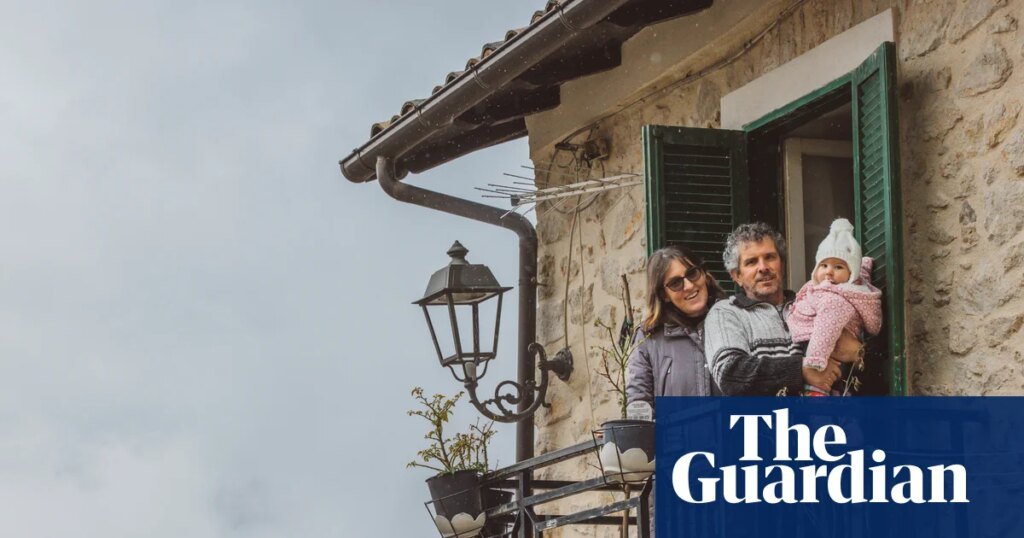
In the small rural village of Pagliara dei Marsi, nestled on the slopes of Mount Girifalco in Italy’s Abruzzo region, a peculiar situation unfolds. Here, cats greatly outnumber the human residents, gracefully roaming the narrow streets and lounging on the sunlit walls. Their soothing purrs fill the air, marking the quietness brought by years of declining population. However, a significant event in March changed the narrative, as the village celebrated the birth of its first resident baby in nearly three decades: Lara Bussi Trabucco. This joyful arrival has not only lifted spirits but also highlighted the ongoing demographic challenges faced by Italy.
Lara’s Arrival: A Community Celebration
Just nine months old, Lara has already become a symbol of hope for Pagliara dei Marsi, boosting its population to approximately 20. Her christening was a community event, drawing in locals—both human and feline alike. “People who didn’t even know Pagliara dei Marsi existed have come, solely because they heard about Lara,” her mother, Cinzia Trabucco, shared. “She’s famous already!”
Italy’s Demographic Crisis
Lara’s birth shines a light on a significant issue plaguing Italy: its declining birth rates. Statistics from 2024 reveal a historic low of 369,944 births, marking a continuing downward trend over the last 16 years. The fertility rate has also dipped to a mere 1.18 children per woman of reproductive age, one of the lowest figures in the EU. Various factors contribute to this decline, including job instability and a trend of youth leaving for better opportunities. Additionally, many are opting not to start families at all.
A Glimpse into the Future
In the picturesque but struggling Abruzzo region, the decline in births is alarming, further reflected in Istat’s early data for 2025, which indicates a 10.2% drop in the first half of the year compared to the same period in 2024. This demographic shift poses serious challenges, not only for individual communities but also for the nation’s economy and social fabric. “Pagliara dei Marsi is facing significant depopulation, especially with the loss of elderly residents and a lack of new generations,” noted Mayor Giuseppina Perozzi.
A New Hope
Cinzia, who yearned for a family far from urban life, hopes that Lara’s presence will inspire others to consider raising children in this serene village. She relocated to Pagliara dei Marsi, where her grandfather was born, after working for years in Rome. With the couple receiving a one-time “baby bonus” of €1,000, introduced by the government as part of its effort to address Italy’s demographic concerns, they also enjoy monthly benefits of around €370. Nevertheless, balancing work and childcare remains their biggest challenge amid a childcare system that is often lacking.
Challenges Ahead for Lara’s Education
The couple harbors worries about Lara’s educational future. The last teacher in Pagliara dei Marsi left years ago, and while a school exists in a neighboring town, ongoing closures threaten its sustainability due to plunging birthrates. “Financial incentives will not reverse this trend,” Trabucco argued. “We need to overhaul the entire system to truly boost birth rates.”
Access to Maternity Care
Nearby Sulmona, once a vibrant city, is grappling with rapid depopulation. The local maternity ward is now under threat of closure due to an insufficient number of births, raising concerns for pregnant women who may need to travel far for care—a daunting task, especially in winter. “When emergencies arise, travel conditions can be perilous,” emphasized gynecologist Gianluca Di Luigi, recalling a critical situation involving a woman in labor caught in a snowstorm.
The Need for Reform
In the midst of these discussions, more voices are advocating for a systemic overhaul. City councillor Ornella La Civita pointed out that while financial incentives are helpful, they must be paired with essential safety measures for childbirth. “How can we encourage women to have children, yet not guarantee them a secure environment for delivery?” she questioned.
Preserving Fertility: A Future Focus
Another critical aspect often overlooked in Italy’s birthrate discourse is the preservation of fertility, as posed by Di Luigi. He emphasizes the importance of educating young people about fertility preservation alongside efforts to create dignified job opportunities. “If we want to see newborns, enlightenment on these topics is essential,” he concluded.
Conclusion
Lara’s birth represents a glimmer of hope amidst a sobering demographic reality. While small villages like Pagliara dei Marsi face significant challenges, the community’s resilience and new life serve as a reminder of the importance of family, support, and systemic change in tackling Italy’s ongoing demographic crisis.
Key Takeaways
- Lara Bussi Trabucco is the first baby born in Pagliara dei Marsi in nearly 30 years.
- Italy faces a declining birth rate, with significant implications for its economy and social structure.
- Community support and financial incentives alone may not reverse demographic trends; systemic reform is essential.
- Access to maternity care and education about fertility are critical areas needing attention to support families.