
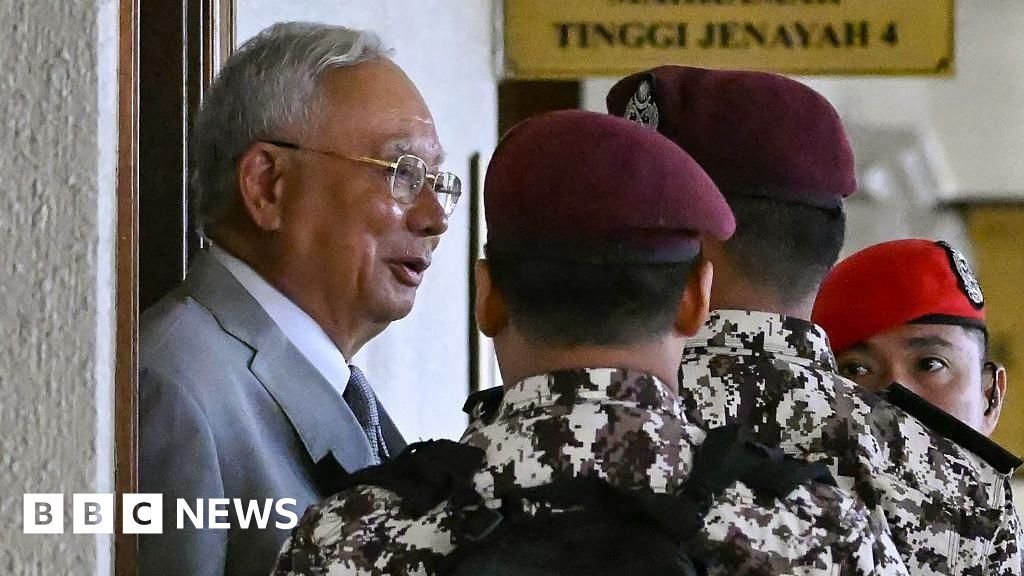
Najib Razak Convicted Again in 1MDB Scandal
In a significant legal development, a Malaysian court has found former Prime Minister Najib Razak guilty of abuse of power and money laundering in connection with the infamous 1Malaysia Development Berhad (1MDB) scandal. This ruling marks his second major conviction related to the multi-billion-dollar fraud scheme that has shaken the nation.
Details of the Conviction
Najib, now 72 years old, faced serious accusations of misappropriating approximately 2.3 billion Malaysian ringgit (around $569 million) from the sovereign wealth fund 1MDB. On a recent Friday afternoon, a judge declared him guilty on four counts of abuse of power and 21 counts of money laundering, with sentencing yet to be announced. He is currently serving time following an earlier conviction tied to the same scandal.
Seven Years of Legal Trials
The verdict arrives after seven lengthy years of legal battles, during which the court heard testimony from 76 witnesses. Delivered in Putrajaya, Malaysia’s administrative capital, this verdict represents another setback for Najib, who has been incarcerated since 2022. Earlier that week, the court denied his application to serve the remainder of his sentence under house arrest.
Despite his legal challenges, Najib continues to have a loyal supporter base that believes in his claims of being a victim of biased rulings. On the day of the verdict, numerous supporters gathered outside the courtroom to rally for his release.
The 1MDB Scandal
The 1MDB scandal, which surfaced nearly a decade ago, has drawn global attention and implicated various high-profile figures, including notable individuals from Goldman Sachs and even the entertainment industry. Investigations revealed that an estimated $4.5 billion was diverted from the fund into private accounts, including those belonging to Najib.
Najib’s legal team contends that he was misled by his advisors, particularly financier Jho Low, who maintains his innocence but remains elusive. However, this defense has not swayed Malaysia’s judiciary, which held Najib guilty of embezzlement in a previous case in 2020. That conviction involved 42 million ringgit (approximately $10 million) transferred from SRC International, a former unit of 1MDB, into his personal accounts.
Though sentenced to 12 years, Najib’s prison term was reduced last year. The latest case centers on a larger amount of money alleged to have been deposited into his personal account in 2013, which Najib claimed was a donation from the late Saudi King Abdullah—a defense the judge dismissed.
Further Implications and Reactions
In addition to Najib’s legal woes, his wife, Rosmah Mansor, was sentenced to ten years in prison for bribery in 2022 but is currently out on bail while appealing her conviction.
This scandal has had lasting effects on Malaysian politics. It resulted in a historic electoral defeat for Najib’s Barisan Nasional coalition in 2018, which had been in power since Malaysia’s independence in 1957. The recent verdicts have also exposed rifts within the ruling coalition, which includes Najib’s party, the United Malays National Organisation (UMNO). His failed house arrest request was met with disappointment among his supporters and jubilation from critics within the same political group.
Prime Minister Anwar Ibrahim has called on politicians from all sectors to respect judicial decisions. Meanwhile, former lawmaker Tony Pua emphasized that the verdict serves as a warning to leaders, underscoring that even top officials are not above the law when it comes to corruption.
Despite these convictions, Cynthia Gabriel, founding director of Malaysia’s Center to Combat Corruption and Cronyism, has voiced concerns about the nation’s continuing struggles against corruption. She argues that meaningful progress has been insufficient, suggesting that future corrupt practices could emerge if existing institutions are not strengthened.
Conclusion
The ongoing saga of Najib Razak serves as a potent reminder of the complexities surrounding governance and accountability in Malaysia. While these convictions represent steps toward justice, the question remains whether the system can effectively prevent such grand corruption in the future.
- Najib Razak has been convicted of multiple counts of abuse of power and money laundering.
- The 1MDB scandal has profound implications for Malaysian politics and governance.
- Despite convictions, concerns persist over the effectiveness of anti-corruption measures in Malaysia.
- Supporters and critics of Najib express diverging views on the fairness of his trials.