
Life on the Edge: The Resilience of Myanmar’s Exiles in Mae Sot
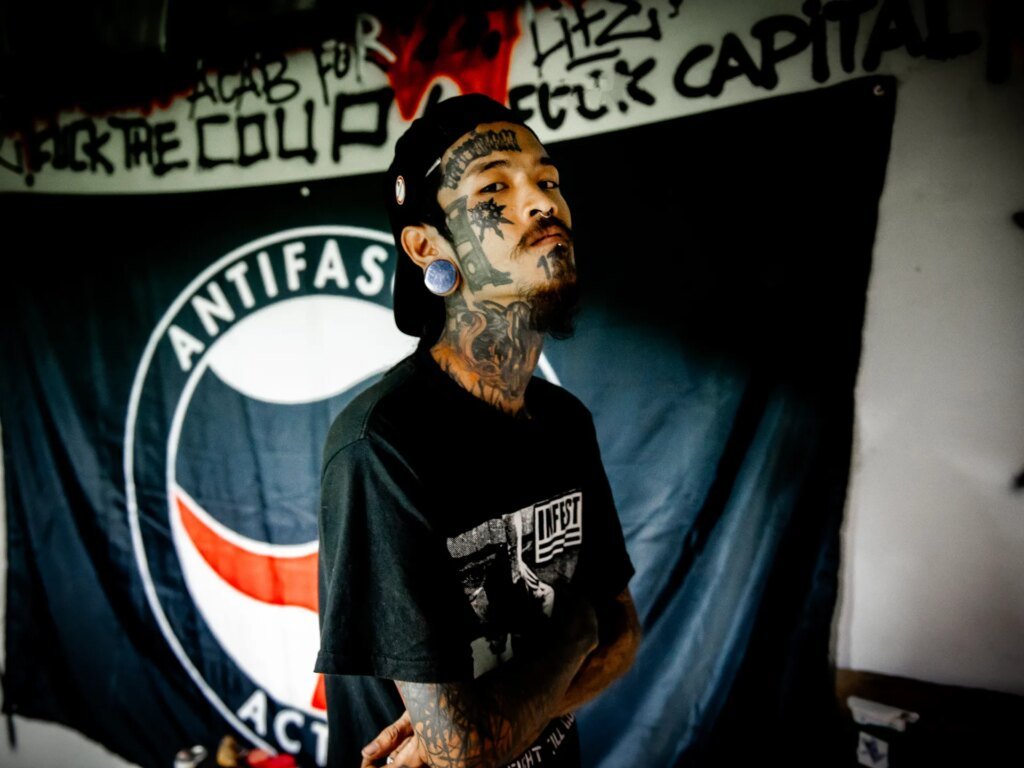
Located on the border between Thailand and Myanmar, the tranquil town of Mae Sot witnesses the dynamic clash of cultures and stories emerging from recent turmoil in Myanmar. Among these narratives is that of Ng La, a tattoo artist whose punk-inspired lifestyle embodies the struggle for freedom faced by many young Myanmar nationals. In this article, we explore his journey from Yangon to Mae Sot and the broader impacts of the ongoing conflict in Myanmar.
The Punk Spirit of Freedom
As the buzzing of a tattoo gun fills the air, it blends with the rebellious tunes of punk music in Ng La’s unique establishment at the back of his “punk bar.” With tattoos decorating his body, Ng La passionately declares, “Punk means freedom.” It’s a sentiment that extends beyond music and fashion; it encapsulates a lifestyle rooted in defiance and resilience.
Ng La’s escape from Myanmar stems from a desire for liberty, fleeing Yangon, the nation’s capital, when the military regime took control. Now, as an undocumented migrant in Thailand, he finds himself in a precarious situation, yet he believes it’s safer than falling back into the hands of the oppressive military government. He recalls, “The biggest fear was that if I got arrested, I would be deported back into the hands of the Myanmar military,” adding, “We are no longer afraid of dying, but getting caught by the military would be worse than death.”
Following the Path to Exile
Ng La’s journey mirrors that of many others who have fled Myanmar amidst the turmoil of civil war. His activism began in February 2021, joining protests against the military takeover that uprooted the democratically elected government of Aung San Suu Kyi. This coup ignited a vicious civil conflict that has devastated rural areas and claimed countless lives.
Recalling his initial acts of defiance, Ng La said, “When the coup first began, the fascist military ordered the people not to go outside or protest for 72 hours.” Undeterred, he and a couple of friends hit the streets with handmade banners. Fearing arrest, Ng La ultimately retreated to the jungles near the border to join the People’s Defence Force (PDF), a coalition of armed groups opposing military rule.
Tragically, further aggression from the military forced him to cross into Thailand, where he established his tattoo and punk bar with the help of his partner. Living without documentation, however, came with its own struggles; finding work was a constant battle. “Because I came in illegally, I had no documents. I couldn’t go anywhere, and it was very difficult to find work to survive,” he shared.
The Challenges of Life as an Undocumented Exile
For Ng La, survival in Thailand means navigating daily challenges compounded by the fear of deportation. “So we pay a ‘licence’ fee and try to live and earn a living,” he explained. Despite having previously found hope in democracy, many now find themselves without a stable future. The military claims that the 2021 coup was a response to electoral fraud, declaring Aung San Suu Kyi’s party illegitimate, and they have orchestrated elections seen as mere facades to legitimize their grip on power.
Human rights observers have condemned these elections, labeling them a “sham.” With widespread political oppression and violence against dissenters, many artists and critics have fled or faced arrest for speaking out against the regime. As Ng La succinctly put it, “The election is just like a comedy show.”
The Widening Impact of Conflict
With the turmoil showing no signs of resolution, conditions for the millions displaced in Myanmar worsen with each passing day. The United Nations estimates that around 3.5 million people have been displaced internally by ongoing violence, while hundreds of thousands have sought refuge in neighboring countries.
Thailand has a history of sheltering refugees, with approximately 85,000 long-term migrants residing in border camps. Recent changes in policy have granted some rights to registered refugees, but undocumented migrants like Ng La face continual risks, including arrest and deportation, leading many to avoid leaving their homes altogether.
Hope Amidst Despair
Snow, a former English teacher and resistance fighter in Myanmar, also fled to Mae Sot following the coup. “The coup destroyed all our hopes and dreams,” she lamented, explaining that her participation in the resistance came with significant challenges, particularly for female fighters who often faced discrimination. “Female fighters were rarely assigned to front line battles, no matter how well trained you were.”
Snow’s experiences have led her to assist other fighters and teach English in Mae Sot, but she remains disillusioned with the current political climate. Many exiles, including Snow, see the military’s upcoming elections as a mere tool for oppression. “That would only give them a licence to kill our people,” she asserted, firmly declaring her refusal to accept the election results.
Looking Forward
Life in Mae Sot is undoubtedly challenging, yet the yearning to return home persists among Myanmar’s exiles. While some seek asylum in third countries, others hope for a more stable environment back in Myanmar. “What we are fighting for is to return home and unite with our families,” Snow articulated. “So we will fight until we can go home and rebuild it better and brighter.”
Conclusion
The lives of Ng La and his fellow exiles illustrate the resilience of the human spirit in the face of oppression. Their stories shed light on not just the dire circumstances they escape but also the unyielding hope for a brighter future, both for themselves and their homeland.
- The journey of exiles like Ng La highlights the struggles faced by many young people in Myanmar.
- Despite the challenges of undocumented living in Thailand, the spirit of freedom remains strong among the exiled community.
- The upcoming military election is widely regarded as a method of oppression rather than genuine democratic progress.
- Many Myanmar nationals, including Snow, continue to fight for their rights and dream of returning home to rebuild their nation.