
The Crisis Between Bangladesh and India: Rising Tensions Amidst Violence
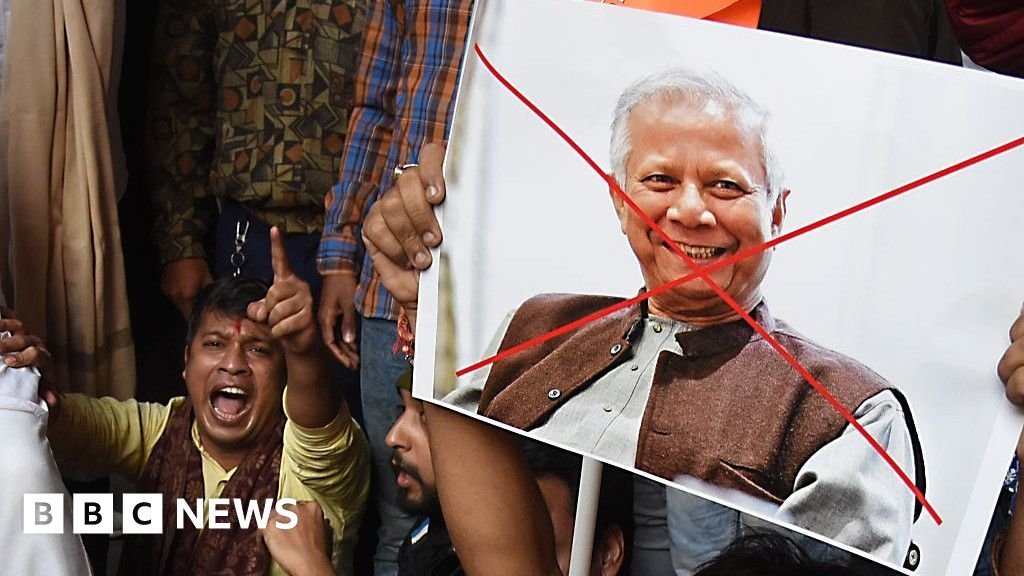
Protests have flared up in India following the tragic killing of a Hindu garment worker in Bangladesh, highlighting the growing strain between these neighboring countries.
The recent killing of a Hindu man in Bangladesh has exacerbated tensions between Dhaka and Delhi, raising concerns about the future of their historically strong relationship. With both nations trading accusations over the incident, the diplomatic landscape appears increasingly fragile.
Violence and Its Aftermath
Protests organized by Hindu nationalist groups erupted in India after Dipu Chandra Das, a 27-year-old garment worker and member of Bangladesh’s Hindu minority, was lynched over blasphemy allegations in Mymensingh. This tragedy occurred just hours before protests ignited in the Bangladesh capital, Dhaka, over the murder of student leader Sharif Osman Hadi.
Supporters of Hadi accused the primary suspect, reportedly linked to the Awami League party of former Prime Minister Sheikh Hasina, of fleeing to India, which has inflamed anti-Indian sentiments within the Muslim-majority nation. However, Bangladeshi authorities have stated that there is no evidence the suspect has left the country.
In recent days, both nations have suspended visa services in various cities and summoned each other’s ambassadors to address security concerns regarding diplomatic missions.
Voices of Concern
Riva Ganguly Das, a former Indian high commissioner to Dhaka, expressed her hope that tensions do not escalate further, emphasizing the unpredictable nature of the situation in Bangladesh.
Historic Sentiments and Provocations
Anti-India sentiment in Bangladesh is deeply rooted. Many citizens have long perceived India’s influence as overwhelming, particularly during Hasina’s lengthy tenure before her ousting following upheaval last year. Anger has intensified after Hasina sought refuge in India, which has declined repeated requests for her return.
In recent protests, young Bangladeshi leaders have made incendiary remarks against India. Demonstrators were recently stopped from marching toward the Indian high commission in Dhaka, while a mob targeted the Indian consulate in Chittagong with stones, an act that drew condemnation from Delhi.
Humayun Kabir, a former Bangladeshi diplomat, noted a concerning rise in suspicion and mistrust between the two nations, stressing the importance of protecting diplomatic missions as per customary norms.
The Dark Side of Violence
Some details of Das’s brutal killing are disturbing. He was accused of insulting the Prophet Muhammad and was lynched by a mob that subsequently tied his body to a tree and set it ablaze. Video footage of this horrific act circulated widely, eliciting outrage from both sides of the border.
The interim government of Bangladesh, led by Nobel laureate Muhammad Yunus, condemned the violence and pledged that justice would be served for those involved in Das’s death. While police have arrested twelve individuals in connection with the incident, concerns over the safety of minority communities and civil rights activists remain heightened.
Escalating Radicalism
Religious extremism appears to be on the rise in Bangladesh, manifesting through attacks on religious minorities and the devaluation of cultural plurality since Hasina’s ousting. Activists warn that a significant shift in societal attitudes has emerged, with hardline factions gaining ground.
Recent events also show a troubling trend of vandalism targeting media outlets and cultural institutions labeled as pro-India, indicating a broader discomfort with dissent against extremist views.
Political Implications and Future Outlook
The political environment in Bangladesh is poised for transition, with elections scheduled for February 12. As the Awami League is barred from participating, the Bangladesh Nationalist Party (BNP) is expected to make gains, although Islamist groups like Jamaat-e-Islami could also play a pivotal role.
Analysts predict that escalating anti-India sentiments might incite further violence, placing vulnerable groups at greater risk. Asif Bin Ali warns that those who oppose fundamentalist narratives may find themselves dehumanized and targeted under the prevailing anti-India rhetoric.
In India, policymakers recognize the shifting dynamics in Bangladesh and assert that recent developments represent a significant strategic challenge. Former diplomats like Humayun Kabir advocate for rebuilding trust between the two nations, emphasizing mutual interdependence and the importance of collaboration.
With an elected government seen as crucial for addressing both domestic and foreign issues, the path toward stabilizing relations remains uncertain, particularly as national elections approach.
- The killing of Dipu Chandra Das has intensified tensions between Bangladesh and India.
- Protests in both countries reflect rising anti-India sentiments amidst a backdrop of violence.
- Concerns over safety of minorities and the influence of radical groups are escalating in Bangladesh.
- The upcoming elections in Bangladesh could shift the political landscape amid ongoing unrest.