
Japan Faces Surge in Bear Attacks, Driving Demand for Bear Meat
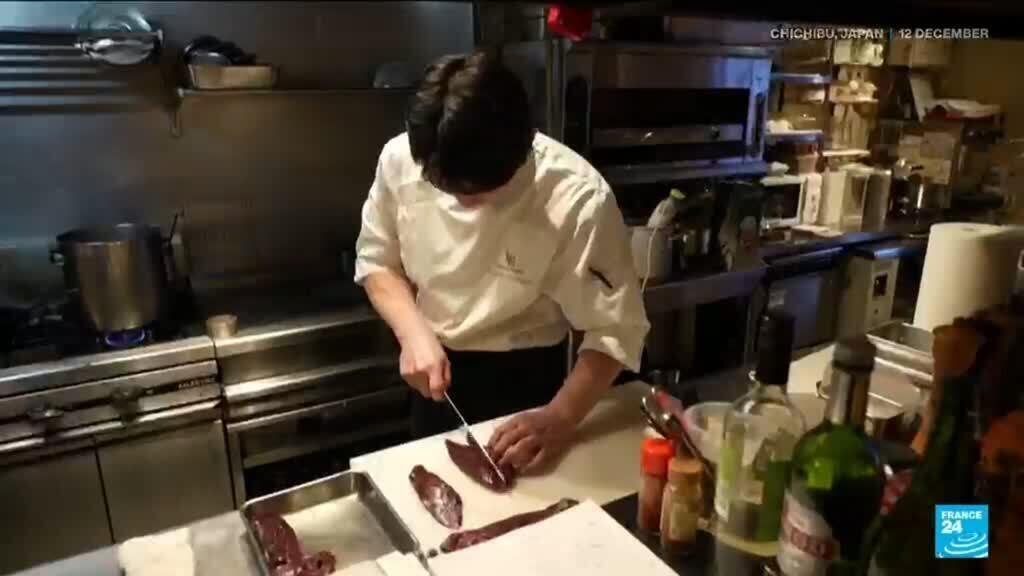
In recent times, Japan has experienced a significant increase in bear attacks, prompting a unique shift in culinary trends. With the unfortunate rise in violent encounters—resulting in a record number of fatalities—some restaurants have found themselves grappling with a heightened demand for bear meat. Thriving on a combination of traditional and modern cooking techniques, chefs are serving this unconventional dish in various styles, particularly grilled on stone slates or prepared in hot pots with fresh vegetables.
The Context of Rising Bear Attacks
This year has marked a turning point, as 13 lives have tragically been lost to bear attacks, highlighting the pressing need to manage wildlife encounters more effectively. As a part of this management strategy, local authorities have resorted to culling certain bear populations to mitigate risks to human safety. This culling process has inadvertently resulted in a secondary boom—bear meat has become an unexpected star on restaurant menus across the country.
A Culinary Trend Emerges
With freshly sourced bear meat available, numerous restaurants are adapting their menus to incorporate this ingredient. Chefs are experimenting with various cooking methods, bringing new life to this traditional fare. The meat, when grilled, offers a unique smoky flavor that tantalizes palates, while the hot pot style provides a comforting and hearty meal, especially appreciated during colder months. The blending of flavors with seasonal vegetables enhances the overall dining experience.
Challenges for Restaurants
Despite the booming interest, restaurant owners face challenges in meeting the rising demand. Sourcing bear meat can be unpredictable, and the need for sustainable practices is crucial. As the popularity grows, so does the responsibility to ensure that the meat is harvested ethically and legally. Establishments must balance the culinary excitement with the ecological impact, making it imperative for them to work closely with local wildlife agencies.
Reactions from the Community
Community responses to the trend have been mixed. While some diners enthusiastically embrace the opportunity to taste bear meat, celebrating it as a traditional delicacy, others voice concerns regarding the ethics of consuming wildlife, especially amid increasing attacks. As the conversation unfolds, it becomes clear that the relationship between humans and nature continues to evolve—a poignant reminder of the delicate balance that must be maintained.
Conclusion
Japan’s recent surge in bear attacks has led to an unexpected culinary revival centered around bear meat. As restaurants navigate this new landscape, they are tasked with maintaining sustainability and ethical sourcing while satisfying an eager clientele. Thus, the ongoing story of bears in Japan continues to unfold, shaping not only safety protocols but also dining experiences across the nation.
- Japan has seen a rise in bear attacks, with 13 fatalities reported this year.
- Local authorities have begun culling bears to manage safety risks.
- Restaurants are experiencing increased demand for bear meat prepared in various styles.
- The community is divided on the ethical implications of consuming wildlife amid rising attacks.