
Exploring the Flavors of Central Asia at Tashkent Supermarket
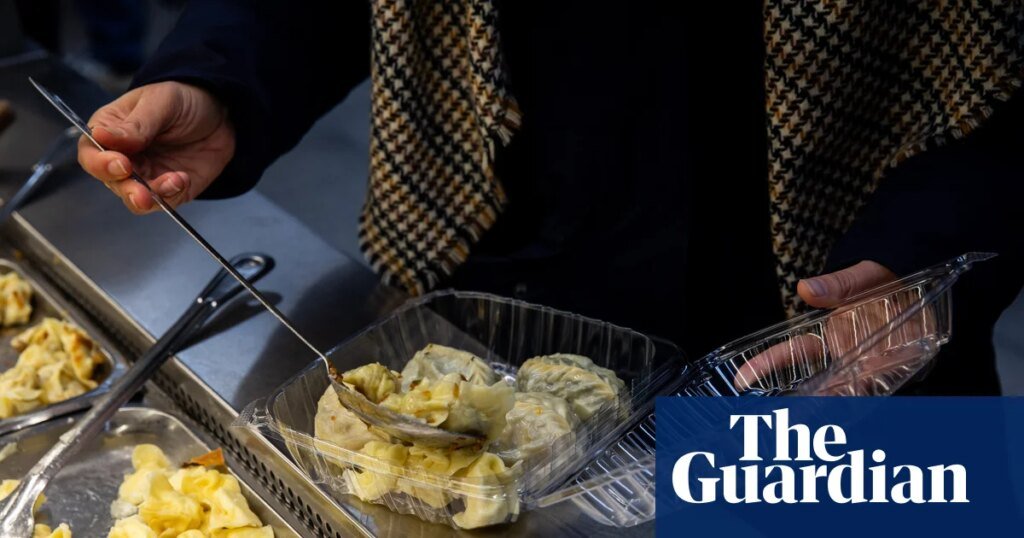
Walking into the Tashkent Supermarket in Brighton Beach reminds me of my upbringing in Kazakhstan. This bustling supermarket, filled with the faces of fellow post-Soviet immigrants, offers a treasure trove of dishes like manty, delicious dumplings filled with savory minced beef and onions, and possibly pumpkin for a hint of sweetness. The sweet treat chak-chak, which consists of golden fried dough smothered in honey, also calls to me, as does kompot, a fruity beverage simmered from seasonal or dried fruits.
A Taste of Home
In my childhood, these delicacies were a common sight in school cafeterias and at the family dinner table. My mother introduced me to manty, showcasing her expert skills as she stretched the dough just right. While sugary drinks were a rarity for me, homemade kompot was a special treat made with fresh fruits from our garden. Although I never quite managed to replicate chak-chak, I always savored the store-bought version. As I ventured into other former Soviet countries, I found comfort knowing that dishes like plov and samsas were readily available wherever I went, from Moscow to Tbilisi.
When I relocated to New York City in 2019, I was immediately drawn to Tashkent, the largest supermarket specializing in Central Asian ingredients. It became a ritual for me to undertake the hour-and-a-half trek to the far reaches of Brooklyn, where I would stock up on my beloved spices and grains like buckwheat, or grechka, before heading back on the B train to Manhattan.
The New Frontier in Manhattan
This year, my visits transformed from a journey to more of a local trip as Tashkent expanded with a new location in Manhattan’s trendy West Village. Known for its vibrant atmosphere and proximity to subway lines, this supermarket has attracted the attention of food bloggers, who have raised awareness of Central Asian cuisine among curious New Yorkers. The supermarket’s hot food bar features dishes like plov, a fragrant rice and meat dish, alongside samsas, flaky pastries filled with meat or potatoes. Influencers have showcased these delightful offerings online, encouraging everyone to explore the goods available at Tashkent.
Odiljon Tursunov, who established the first Tashkent store in Coney Island in 2012 following his family’s arrival from Uzbekistan, has seen the supermarket evolve. Initially launched to fill the gap for traditional bread and halal sausages, Tashkent has grown into a significant presence in New York, now boasting five locations.
Cultural Significance and Community Roots
Over 1.2 million individuals from former Soviet republics call the United States home as of 2019. Tashkent’s strategic location selection in neighborhoods with a high concentration of Central Asian immigrants has contributed to its success. “Forest Hills is a hub for the Bukharian Uzbek community,” shared Misa Khayriddinova, Tashkent’s head of accounting and human resources, originally from Bukhara, Uzbekistan. Areas like Coney Island and Brighton Beach have also traditionally attracted Uzbek immigrants, along with other Eastern European communities.
With the West Village location, the supermarket aims to bridge the gap between its loyal customer base and new patrons eager to experience the rich flavors of Central Asian cuisine. The region’s culinary history reflects a blend of influences, from meat-heavy diets shaped by nomadic lifestyles to the agricultural traditions of settled populations.
The culinary landscape shifted significantly during the Soviet Union’s rule, which introduced a mix of Russian and Slavic dishes while affecting agricultural practices and food availability. These changes have molded the diverse culinary heritage we see today.
A Blend of Cultures on a Plate
Tashkent is dedicated to sourcing products from across the former Soviet Union, including cheeses from Georgia, bread from Ukraine, and wholesale nuts and raisins from Uzbekistan. “It’s a combination of American products and Central Asian offerings,” said Khayriddinova.
As is typical for businesses in Manhattan, Tashkent has slightly raised its hot food prices due to rising real estate costs and other economic factors, resulting in fewer promotional deals at the new location compared to its original sites in Brooklyn. Yet many patrons, longing for the tastes of home, find comfort in visiting Tashkent, whether to savor plov or grab refreshments like ayran drinks while enjoying the beach.
Anticipation was palpable among locals leading up to the opening of the West Village location. Jesse Badash, a Queens resident, expressed enthusiasm over the variety of offerings, stating, “The prices might be slightly higher than in Brighton, but they’re reasonable. The figs were extraordinarily cheap!”
For Khayriddinova, spotting Tashkent’s green grocery bags around the city represents a point of pride. “Central Asia is often overlooked,” she noted. “To be the pioneering brand that showcases the rich tastes and hospitality of Uzbek culture is incredibly rewarding.”
On a recent evening visit to the West Village Tashkent, I noticed the crowd blending different cultures. With a diverse array of shoppers, I saw familiar Central Asian dishes alongside intrigued newcomers sampling items like herring under the fur coat and olivier, traditional dishes often prepared for celebrations. In this lively setting, I felt a profound connection to my heritage—an identity that defies previous simplifications into the broader Soviet narrative, showcasing the unique culture and cuisine of Central Asia.
- Tashkent Supermarket offers a rich variety of Central Asian foods.
- The new Manhattan location has gained popularity through social media buzz.
- Tashkent caters to both longtime patrons and newcomers eager to explore Central Asian cuisine.
- The supermarket reflects a blend of cultural identities, showcasing the culinary diversity from the region.