
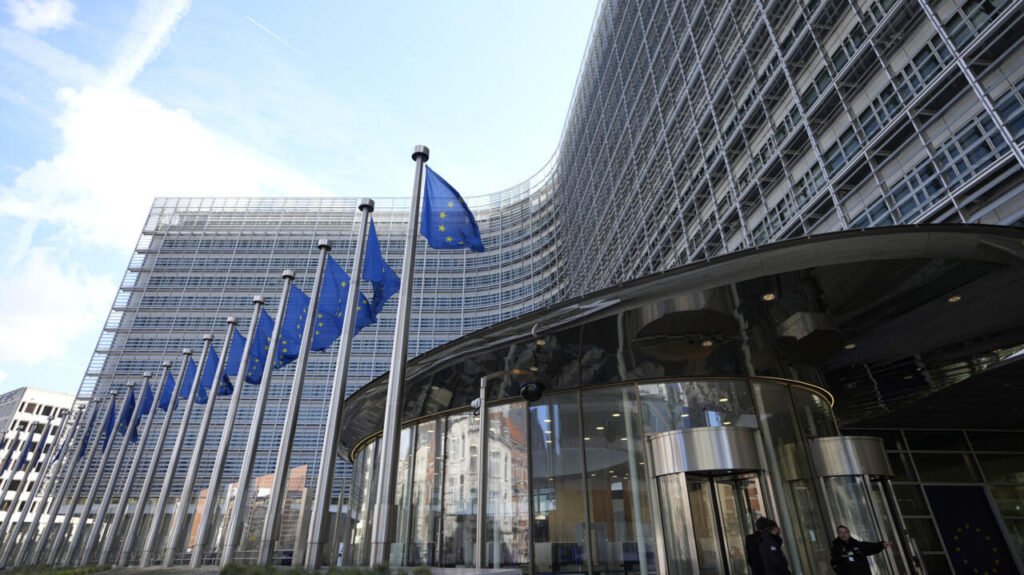
EU Responds to US Visa Ban: A Stand for Sovereignty and Free Speech
In a recent showdown between the European Union and the United States, the EU’s commissioner handling the single market, Stéphane Séjourné, declared that the sanctions imposed by the U.S. will not hinder his efforts. This statement comes after the Trump administration issued a visa ban on his predecessor, Thierry Breton, due to his endeavors to regulate major tech companies. Séjourné’s comments underscore the EU’s commitment to protecting its sovereignty and nurturing open dialogue.
Support from European Leaders
Séjourné expressed strong solidarity with Breton on social media, stating that no sanctions can suppress the voices of European citizens. He emphasized that Breton acted in the interest of the public during his tenure, reflecting the democratic mandate from voters in 2019. “Total solidarity with him and all affected Europeans,” Séjourné affirmed on X.
Macron’s Stance on Independence
French President Emmanuel Macron also publicly backed Breton, thanking him for his substantial contributions to Europe. He pledged not to yield to external pressures while reiterating the importance of safeguarding European independence. “We will not give up, and we will protect Europe’s independence and the freedom of Europeans,” Macron stated on X, reinforcing his government’s resolve.
The U.S. Accusations
The U.S. State Department announced on Tuesday that visas would be denied to Breton along with four activists, claiming they attempted to “coerce” American social media companies into silencing opposing viewpoints. This move has sparked significant backlash from Europe.
Defending Free Speech
The President of the European Commission, Ursula von der Leyen, responded to the situation by emphasizing the EU’s dedication to upholding freedom of speech. “Freedom of speech is the foundation of our strong and vibrant European democracy. We are proud of it. We will protect it,” she affirmed on X, signaling that the EU will stand firm against what it perceives as attempts to undermine democratic principles.
Broader Implications and Reactions
Breton, often referred to as the “mastermind” behind the European Union’s Digital Services Act (DSA), described the visa ban as a “witch hunt.” He likened the situation to the McCarthy era in the U.S., where individuals faced persecution based on alleged communist affiliations. The DSA has become a contentious issue, with some in the U.S. accusing it of fostering censorship against conservative viewpoints, a claim the EU vehemently rebuts.
French Foreign Minister Jean-Noël Barrot defended the DSA, declaring that the legislation was democratically established within Europe and does not extend its influence into the United States. “The Digital Services Act has absolutely no extraterritorial reach,” he noted on X. This assurance seeks to clarify the intentions behind the EU’s regulatory framework amid rising tensions.
Key Individuals Targeted
The visa ban also affected several notable figures involved in digital regulation. This includes Imran Ahmed from the Center for Countering Digital Hate, as well as Anna-Lena von Hodenberg and Josephine Ballon from the German organization, HateAid. Additionally, Clare Melford from the UK’s Global Disinformation Index was included on the list.
Conclusion
The clash over the U.S. sanctions reflects deeper concerns regarding digital governance across borders. The European leadership remains resolute in protecting its regulatory independence while fighting for free speech. This ongoing dispute may signal a new chapter in transatlantic relations concerning technology and speech regulation.
Key Takeaways
- The EU stands firm against U.S. sanctions targeting its leaders.
- European officials stress the importance of preserving freedom of speech.
- The Digital Services Act (DSA) faced criticism from U.S. conservatives.
- Support for Thierry Breton signifies a united European front in digital regulation.