
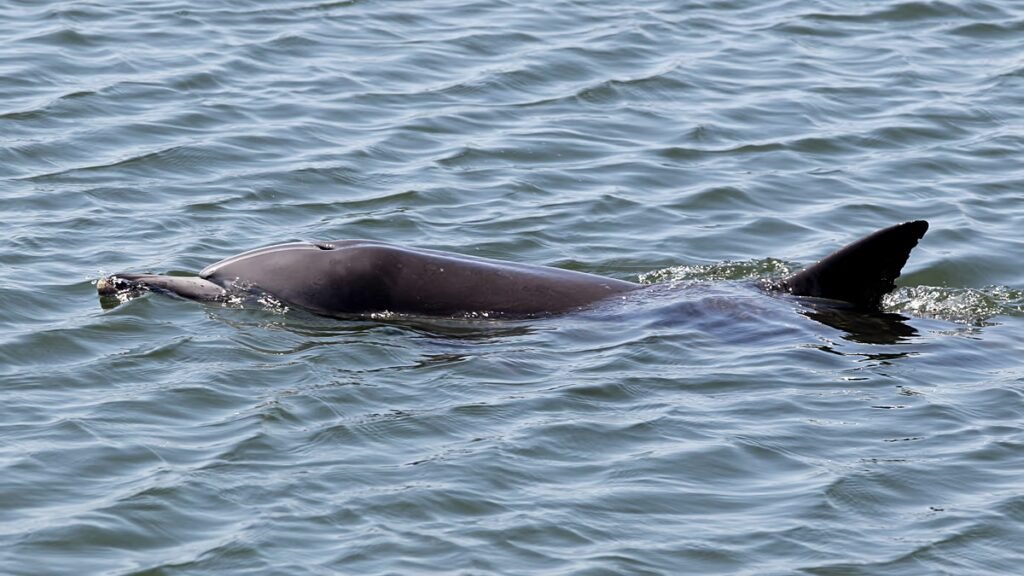
Winter Dolphin Protection Measures in the Bay of Biscay
The Bay of Biscay poses challenges for dolphins every winter due to the overlap of their seasonal movements and extensive fishing activities. This intersection raises the risk of accidental catches, a fact well-recognized by scientists and authorities. In response, the European Commission is taking decisive action to safeguard marine life.
Temporary Fishing Ban Announcement
This week, the European Commission revealed plans to impose a temporary fishing ban in the Bay of Biscay starting in 2026. The ban, aimed at minimizing dolphin deaths and protecting other small cetaceans, will span from January 22 to February 20. During this timeframe, fishing boats longer than eight meters will be required to remain docked.
Background and Context
This decision emerges from a consistent trend. It marks the third consecutive year that the European Union has implemented a winter fishing closure, acknowledging its effectiveness based on data from previous seasons. The numbers indicate that dolphin fatalities in 2025 saw a notable decline compared to years prior to these closures, serving as a strong rationale for the continuation of this policy.
Understanding the Dolphin Mortality Issue
Each winter, numerous dolphins are found stranded along the Atlantic shores, often showing clear evidence of entanglement in fishing gear. Organizations such as the French observatory PELAGIS have been monitoring this concerning situation for years, advocating for tangible interventions to address it.
Impact on Fishermen
The forthcoming fishing ban will affect around 300 vessels from the EU fleet. Recognizing the potential economic impact, the European Commission has pledged that impacted fishermen will have access to financial support through the European Maritime, Fisheries and Aquaculture Fund, along with possible national assistance. This step aims to alleviate income losses during the ban period.
Additional Conservation Measures
The fishing ban is not the only strategy in play. The Commission also requires certain vessels to utilize acoustic deterrent devices year-round. These devices emit sounds to discourage dolphins from approaching fishing nets. Furthermore, monitoring efforts will be intensified, involving onboard observers and camera technology to oversee interactions between fisheries and marine life.
Conclusion
Overall, the European Commission aims to replicate the successful formula of reducing fishing pressure during critical periods. This approach not only helps provide a respite for dolphins but also considers the sustainability of fishing activities that are vital for many coastal communities.
Key Takeaways
- The Bay of Biscay will see a fishing ban from January 22 to February 20, 2026, to protect dolphins.
- The ban is part of ongoing efforts by the EU, marking the third consecutive year of such closures.
- Financial compensation will be available for affected fishermen to mitigate income loss.
- Additional measures include mandatory use of acoustic deterrents and enhanced monitoring of fishing activities.