
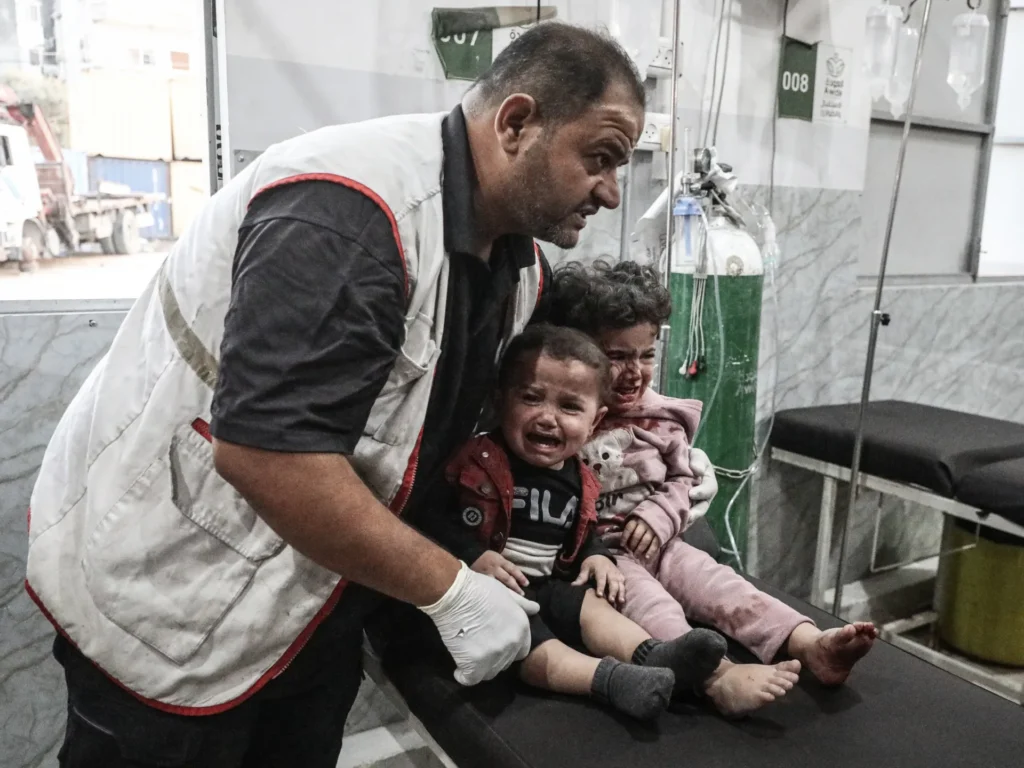
Desperate Conditions in Gaza’s Healthcare System
The health crisis in Gaza has reached alarming levels, with hospitals overwhelmed by a severe shortage of medical supplies. As international scrutiny increases, a key health official reveals the dire state of medical care for thousands of patients amid ongoing challenges stemming from a prolonged Israeli blockade.
A Grim Healthcare Landscape
According to Munir al-Barsh, the director-general of Gaza’s Ministry of Health, the situation within hospitals is both “tragic and horrific.” Reports indicate that the blockade imposed by Israeli authorities has severely restricted the entry of essential medical supplies, adversely affecting healthcare professionals’ ability to treat critical cases.
Persistent Challenges in Medical Supply
Healthcare workers have long expressed frustration over their inability to provide adequate care due to the lack of necessary medical supplies. Despite a ceasefire facilitated by the United States in October, reports suggest that Israel continues to fall short of its commitments, further complicating an already critical health emergency.
Severe Shortages of Medical Resources
Al-Barsh has highlighted alarming shortages, particularly of surgical consumables vital for operations. He noted that approximately 75% of required supplies are currently unavailable. Notable deficiencies include anesthetics, gauzes, and dialysis solutions, complicating medical efforts amid frequent power outages and a lack of generators.
He described the ongoing crisis as the most perilous situation witnessed since the Palestinian Authority’s inception over three decades ago, exacerbated by aggressive actions that have damaged numerous healthcare facilities.
Impact on Patients and Families
As the health crisis deepens, not only those injured are affected. Al-Barsh warned that around 4,000 glaucoma patients risk permanent blindness due to unavailable treatment options. Additionally, nearly 40,000 pregnant women, displaced and living in inadequate conditions, face threats to their health and that of their unborn children.
Furthermore, an estimated 320,000 children under five are at heightened risk of malnutrition due to the deteriorating humanitarian conditions aggravated by restrictions on aid supplies.
Patients in Need of Urgent Care
Although a system exists to facilitate the transfer of patients abroad for treatment, prolonged waiting lists mean many are dying before receiving care. Al-Barsh reported that over 1,156 individuals have lost their lives while awaiting permission for medical travel.
Nearly 20,000 patients are currently on waiting lists for transfer, with a significant number, including about 4,300 children, in urgent need of assistance. Al-Barsh called for immediate action to open border crossings to facilitate the urgent flow of humanitarian aid and medical referrals.
A Plea for Immediate Action
Highlighting the severity of the situation, Al-Barsh stated, “Any further delays could cost lives.” The ongoing conflict has tragically claimed about 71,000 Palestinian lives and left over 171,000 injured since the onset of hostilities in October 2023, underscoring the urgent need for immediate humanitarian intervention.
Conclusion
The healthcare system in Gaza faces unprecedented challenges, with thousands in need of urgent medical care. With the ongoing blockade and a dire shortage of essential supplies, immediate action is critical to save lives and improve conditions for vulnerable populations.
Key Takeaways
- The Gaza healthcare system is on the verge of collapse due to severe shortages of essential medical supplies.
- International support and humanitarian aid are crucial in alleviating the dire conditions faced by patients and healthcare workers alike.
- Immediate action is needed to open border crossings for medical aid and patient transfers.
- Thousands of patients, including children, are at risk without proper treatment and humanitarian support.