
The Divided City of Bristol: A Frontline in the Abortion Debate
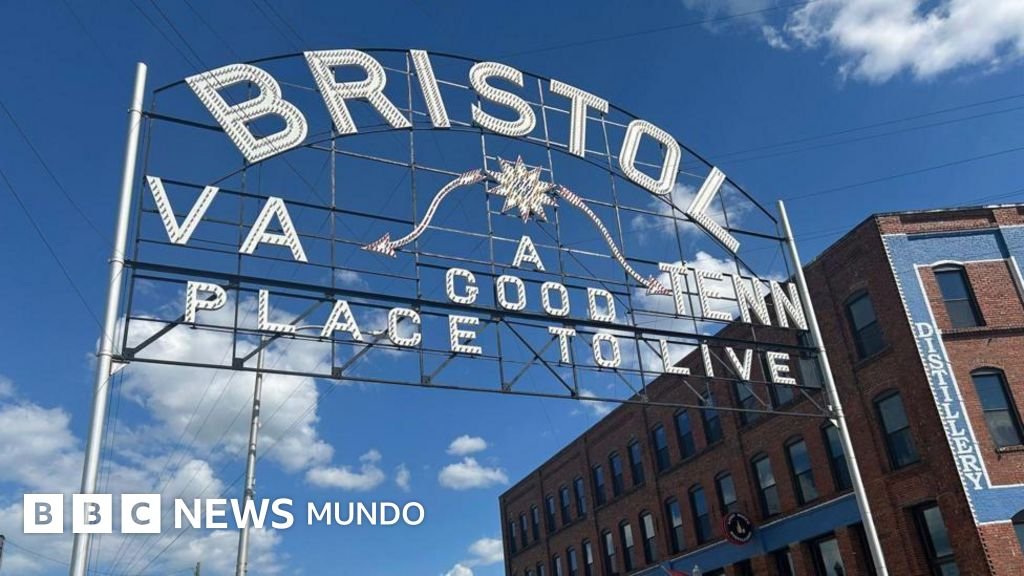
Bristol, a small city in the United States with a population of around 44,000, finds itself uniquely divided between the states of Virginia and Tennessee. The state line runs directly down the main street, creating a stark contrast between the two sides: while abortion remains illegal in Tennessee, it is accessible in Virginia. This situation reflects the broader national conversation about reproductive rights following the Supreme Court ruling in 2022 that granted states the power to legislate on abortion.
A Shift in Access
As a result of this legal landscape, the only abortion clinic in Bristol, the Bristol Women’s Health Clinic, relocated less than a mile to continue offering services legally in Virginia. However, just because abortion is legal in Virginia doesn’t mean the struggle for access is over. Barbara Schwartz, co-founder of the State Line Abortion Access Project (SLAAP), describes the ongoing challenges: “It’s like a game of whack-a-mole; as soon as one protest is thwarted, anti-abortion activists appear in Bristol looking for other avenues.”
Upcoming Legal Battles
On December 22, 2024, a case concerning the clinic’s lease will be heard in Bristol Circuit Court. The clinic’s attorneys argue for the renewal of their lease for an additional six years. However, if the judge rules in favor of the building’s owners, the clinic will need to find a new location. This isn’t the first attempt by the owners, Chase and Chadwick King, to evict the clinic. In September, a previous case was dismissed when the judge found that the clinic had been transparent about its services, which the owners oppose.
Diana Derzis, the clinic’s owner, has previously expressed her determination to keep the clinic operational in Bristol, despite challenges, though she acknowledges the limited availability of suitable facilities in the area.
The Rising Demand for Abortion Services
Since the overturning of Roe v. Wade, states where abortion is legal have become destinations for those seeking procedures from states with stricter laws. According to the Guttmacher Institute, around 155,000 individuals crossed state lines for abortion services last year, with more than 9,200 traveling to Virginia in 2024 alone.
“The situation in Bristol makes the clinic the closest option for millions in the South seeking safe and legal abortions,” notes Victoria Cobb, director of the anti-abortion Family Foundation. Cobb has initiated several local efforts to restrict abortion access in Bristol, arguing that local ordinances can serve as a powerful tool for anti-abortion activists.
The Local Response
Cobb points out concerns from local residents who do not want Bristol to be seen as a hub for abortions. “We are eager to assist in preventing that,” she claims. The Family Foundation has previously argued that the clinic’s existence violates local zoning laws designed to protect safety.
However, experts like Laura Hermer, a professor knowledgeable about abortion regulations in the U.S., see these municipal efforts as largely symbolic. “I would be surprised if many of these towns have actual healthcare providers, let alone abortion services,” she stated.
The Comstock Act Controversy
The abortion debate intensified in Bristol when the city council considered reviewing related issues. “Dealing with this has been more stressful than handling parking concerns; it’s unprecedented in our local government,” said Jay Detrick, the city’s planning director. Eventually, the city attorney decided that imposing restrictions on medical facilities was beyond their jurisdiction.
Following this decision, another group spearheaded by Texas pastor Mark Lee Dickson aimed to shut down the clinic by invoking the Comstock Act, a federal law over 150 years old prohibiting the mailing of items that could induce an abortion. So far, 93 local governments have adopted ordinances to enforce the Comstock Act, successfully closing a Planned Parenthood clinic in Lubbock, Texas. Dickson is hopeful that similar measures in Bristol will yield the same outcome.
Looking Ahead
Even if the clinic prevails in court and remains open, the pressure from anti-abortion advocates will likely continue. Pastor Dickson reiterated this point when he remarked, “As long as the voices for unborn children in Bristol are silenced, we will strive to encourage the city council to fulfill its duty to protect them.”
With Bristol occupying a unique political space, Kimberly Smith, co-founder of SLAAP, believes that anti-abortion groups will focus their efforts here. “They come because we are a Republican area in a Democratic state. If they can undermine our situation, it threatens the broader framework of rights in the state,” she explained.
Conclusion
The ongoing situation in Bristol highlights the complexities of abortion access in America. As the nation grapples with divisive laws and passionate advocates on both sides, this small city finds itself at the center of a crucial debate that could set precedents for communities across the country.
- Bristol is uniquely divided between Virginia and Tennessee, with significant implications for abortion access.
- The only abortion clinic relocated to Virginia, but challenges to its lease continue.
- Demand for abortion services has surged since the overturning of Roe v. Wade.
- Local and national anti-abortion activists are targeting Bristol as part of their broader strategy.