
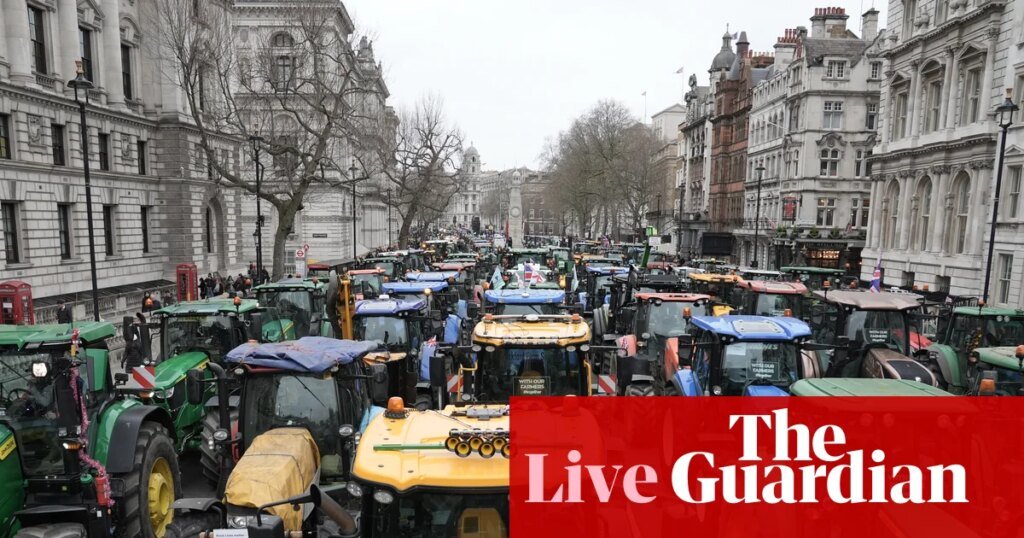
Inheritance Tax Update for Farmers: Important Changes Ahead
The government has recently made a notable reversal regarding inheritance tax thresholds for farms. Initially set at £1 million, the threshold will now be raised to £2.5 million, providing crucial relief to the farming community. This decision comes after widespread discontent among farmers who feared that the original proposal would jeopardize their ability to pass on their farms to the next generation.
Key Changes and Implementation Timeline
The new rules, effective from April 2026, will now allow spouses or civil partners to transfer up to £5 million in qualifying agricultural or business assets before incurring inheritance tax, alongside existing allowances. During a committee hearing, concerns about the mental health impact of the initial tax plan were raised, highlighting the urgency of this decision.
p>The government stated: “The level of agricultural and business property reliefs threshold will increase from £1 million to £2.5 million starting in April 2026. This reflects our consideration of feedback from the farming community and ensures that more farms and businesses receive necessary protection while applying fair relief measures.”
Political Reactions and Community Impact
This change has been received positively within the farming community. The National Farmers’ Union (NFU) expressed relief, stating that common sense has ultimately prevailed. NFU President Tom Bradshaw remarked:
“The initial projected changes caught the farming community by surprise. Our best tax strategy previously involved passing on farms at the end of one’s life, ensuring continuity in food production. This significant amendment will allow many families to focus on thriving farming practices rather than tax concerns.”
While the Conservatives welcome the reversal as a victory for the party, some politicians, like Victoria Atkins, have indicated that it may be too late for many affected farmers. The consequences of the previous tax proposal have already led to dire situations within rural communities.
Financial Implications and Future Outlook
Despite the U-turn, the government asserts it will still obtain a significant portion of its intended revenue from inheritance taxes on farms. Adjustments related to the fiscal budgeting will be communicated in forthcoming financial forecasts. Environment Secretary Emma Reynolds emphasized the importance of farmers in both food security and environmental management:
“We have listened carefully to the concerns of farmers and will protect more family farms, while still ensuring that larger estates contribute their fair share to our economic needs.”
The Department for Environment, Food and Rural Affairs anticipates that these adjustments will decrease the number of farms impacted by higher inheritance taxes significantly, with over 85% of estates projected to pay none at all.
Conclusion
The government’s decision to raise the inheritance tax threshold for farmers from £1 million to £2.5 million represents a critical step towards supporting the agricultural sector. Stakeholders across the farming community are hopeful that this change will ease the transfer of family farms and stimulate growth while safeguarding the future of rural economies.
Key Takeaways
- The inheritance tax threshold for farms will rise from £1 million to £2.5 million, effective April 2026.
- This adjustment allows couples to transfer up to £5 million without incurring inheritance tax.
- Over 85% of farms are expected to be exempt from higher inheritance tax bills due to these changes.
- The government remains committed to balancing relief for smaller farms with contributions from larger estates.