
A Tragic Journey: The Struggles of Indigenous Families in Ecuador’s Healthcare System
The story of Yawa Sumpa, a mother from the Achuar indigenous community, shines a light on the significant challenges faced by families in Ecuador’s healthcare system. It underscores the desperation experienced when loved ones face medical crises in an environment riddled with inequity and neglect. This article explores her heartbreaking experience that highlights a broader issue within the country’s health service.
The Loss of a Child
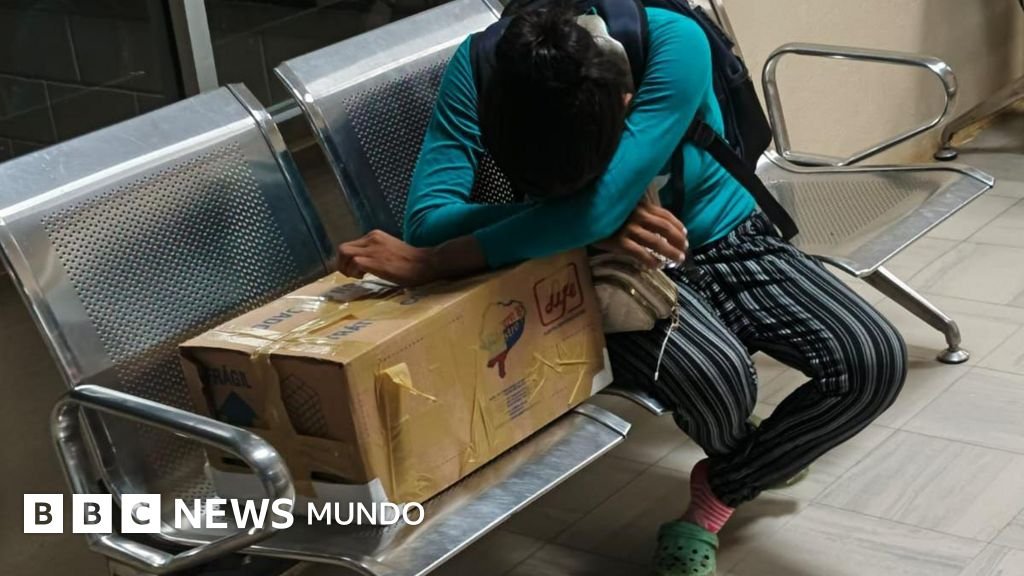
On November 29, Yawa Sumpa received her one-month-old daughter’s body in a cardboard box after she succumbed to respiratory problems at the General Hospital of Macas, located in the Morona Santiago province. Just hours after being admitted, the medical team advised Yawa to secure a coffin for her child. Alone and with limited Spanish skills, she found herself in a daunting and distressing situation.
Despite her determination to seek assistance, Yawa faced a barrier: she had no money and was forced to return to the hospital empty-handed. The ordeal began with carrying the makeshift casket to the main square in Macas, where transportation to Taisha is available. After a taxing three-hour bus ride, she finally reached the city, which serves as a hub for flights to her remote home in the Ecuadorian Amazon.
“How is it possible they let her leave like this, with a dead baby in cardboard? It’s painful to see how we are treated by doctors. It’s infuriating and very sad because we are human,” expressed a member of the Kaiptach community who helped Yawa and photographed her plight.
Eventually, support came from the municipality of Taisha, which provided Yawa with a proper coffin and facilitated her journey back home. Christian Sánchez Mendieta, a journalist, explained the grim reality: “The family must supply the casket. The hospital does not provide it, but they are responsible for arranging donations from municipalities or prefectures through their social work departments.”
A Broader Crisis
Yawa’s tale reveals a larger crisis entrenched in Ecuador’s public health system, which has faced substantial challenges. Just 13 days prior to Yawa’s loss, a national referendum took place, and President Daniel Noboa faced surprising opposition, especially regarding health issues that had long been overshadowed by discussions on security and violence.
By late September, the shortage of medicines and medical supplies had reached alarming levels, impacting even essential items such as insulin and cancer drugs. This prompted Noboa’s administration to declare a state of emergency within the Ecuadorian Social Security Institute (IESS) and the Ministry of Health.
In the past 20 months, Ecuador has cycled through five health ministers due to the ongoing crisis, leaving the vice president, María José Pinto, at the helm of the ministry now. The president of the National Federation of Doctors of Ecuador, Santiago Carrasco, cites the lack of competent leadership and the management crisis stemming from ignorance of health issues among officials.
Alarming Budget Cuts
Health budget cuts have been a significant concern, dropping from $3.219 billion in 2023 to a projected $2.798 billion in 2025. According to María Verónica Iñiguez Gallardo, a member of the National Assembly, the slashing of funding compromises the operation and maintenance of hospitals, affecting salaries, medical supplies, and essential services.
- As of July 2025, only 34.6% of the investment budget was utilized, leading to minimal resources in hospitals.
- The vast majority of public hospitals reported as low as 45% availability of necessary medical supplies.
- In some Guayaquil hospitals, essential supplies were lacking up to 80%.
Impact on Vulnerable Populations
Patients requiring essential treatments, such as those needing dialysis or insulin, are severely affected by the ongoing shortages. A recent protest in Guayaquil aimed to publicize the insulin shortage that many diabetic patients have been struggling with since 2023. Lucía Mantilla, president of the Youth Diabetes Foundation, explained the dire consequences of missed insulin doses, which can lead to severe health complications.
“Diabetics need insulin every day. It’s not optional. Right now, individuals have to visit multiple pharmacies just to find a vial,” Mantilla detailed.
The Pandemic’s Lingering Effects
Experts contend that the COVID-19 pandemic exacerbated pre-existing shortcomings in the healthcare infrastructure. Widespread layoffs and corruption in medical supply procurement were significant issues. The pandemic’s devastating toll on cities like Guayaquil is unforgettable, reflected in the harrowing scenes of makeshift burials during the peak crisis.
For hospitals to function effectively, adequate human resources, proper infrastructure, and sufficient funding are critical. But without a focus on maintenance and improvement, healthcare services continue to deteriorate.
Inadequate Care in Rural Areas
The situation is even graver in rural settings, where access to medical care is severely limited. Many health facilities lack essential supplies, and healthcare practitioners are often inexperienced recent graduates. Pablo Ponce, a director at an indigenous support organization, laments the absence of specialists and the basic equipment needed for patient care.
Yawa Sumpa’s experience, ultimately leaving her with only a cardboard box, is a stark reminder of the urgent need for systemic reform in Ecuador’s healthcare system. This tragedy encapsulates the intersection of inadequate health services and deep-rooted inequities faced by indigenous populations.
Conclusion
The hardships faced by Yawa Sumpa and her community illustrate a critical public health crisis in Ecuador that affects the nation’s most vulnerable populations. Reform is essential to ensure that no family endures such a tragic loss due to systemic failures in healthcare.
Key Takeaways
- The loss of Yawa Sumpa’s baby highlights systemic inequities in Ecuador’s healthcare system.
- Patients across the country face severe shortages of essential medical supplies.
- The COVID-19 pandemic has compounded existing issues in healthcare infrastructure.
- Urgent reforms are needed to improve access and quality of care, especially for indigenous communities.