
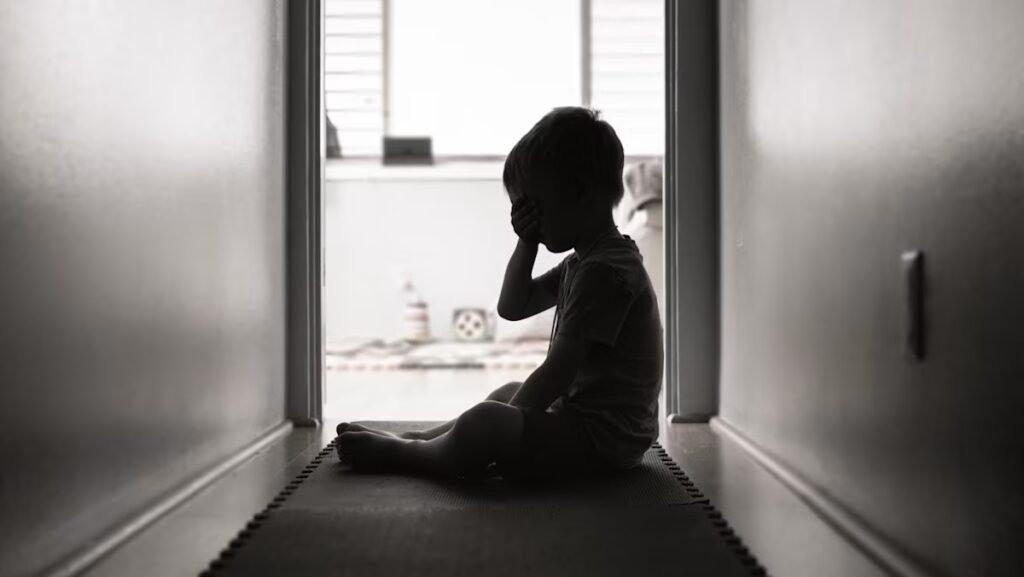
Rising Public Engagement in Reporting Child Abuse
A Growing Awareness
As community awareness increases and collaboration among agencies enhances, family service centers are anticipating a surge in public reports related to child abuse. This trend reflects a significant shift towards recognizing the importance of collective responsibility in safeguarding children.
The Role of Reporting Systems
Currently, reports of child abuse are predominantly generated through family and formal networks. A spokesperson from TRANS Family Services, which operates three family service centers, emphasized the potential for a future where more individuals from the community will step up to report abuse. They noted, “As the community becomes more informed and equipped, we hope to see a rise in bystanders who feel empowered to protect and support our children.”
Challenges of Detection
Abuse frequently transpires behind closed doors, making it difficult for outsiders to perceive. As highlighted, “The signs of abuse are often visible only to those closest to the child, such as immediate family members or trusted caregivers.” The spokesperson went on to mention the subtlety of certain forms of abuse, particularly emotional and psychological types, which often escape immediate notice from the public. They noted, “The repercussions of these abuses might surface later through changes in the child’s behavior.”
Community Initiatives
Ms. Natalie Lim, the director at Allkin Singapore’s family, community, and specialist division, has observed an increase in proactive community responses to child abuse. She noted that reports often come from neighbors or bystanders through the NAVH hotline, frequently prompted by distressing situations such as children crying or exhibiting concerning behaviors.
While these reports might be vague, they carry significant weight. “Even a single call can prompt local family service centers or police to conduct home evaluations to ensure a child’s safety,” Ms. Lim remarked. She stressed the clear uptick in public willingness to report such cases and encouraged community members to share details when they reach out, as well as to offer support within their capacity, such as checking in on the family in question.
Support and Awareness
“Every report counts; the vigilance displayed by the public can be crucial in preventing further harm,” Ms. Lim added. “Community involvement serves as a powerful shield against abuse.”
Furthermore, Ms. Adisti Jalani, a lead social worker at Pave Integrated Services, has noted an increase in families seeking guidance after experiencing violence. She conveyed that this rise in reports could stem from both heightened reporting norms and potentially real increases in incidents of abuse.
While growing public recognition can encourage more reports, Ms. Jalani cautioned that many non-physical abuses, such as emotional trauma or exposure to domestic violence, could still be occurring without notice. She also referenced the recent Megan Khung case, believing it has spurred public vigilance and prompt reporting of abuse incidents.
Conclusion
Engagement from community members plays a critical role in the fight against child abuse. By fostering an environment of awareness and action, society can collectively create a safer environment for children. It is essential that individuals remain vigilant, proactive, and supportive to effectively confront and address the complexities of child abuse.
- Increased public awareness is contributing to a rise in reports of child abuse.
- Subtle forms of abuse remain difficult to detect, underscoring the importance of community vigilance.
- Proactive community responses, such as reporting to hotlines, can lead to critical intervention.
- Ongoing education and awareness efforts are crucial in maintaining public engagement in safeguarding children.