
Concerns Surrounding the Release of Epstein Documents
The recent release of thousands of documents related to the abuses by the late sex offender Jeffrey Epstein fell short of expectations for many who were eagerly awaiting this information. By law, the U.S. Department of Justice (DOJ) was required to make all documents public by the end of last Friday. However, only a limited number of documents were disclosed, many of which were heavily redacted. Legislators advocating for full transparency criticized the DOJ’s actions, labeling them insincere, while legal experts believe that the redactions only serve to fuel existing conspiracy theories.
Victims Call for Transparency
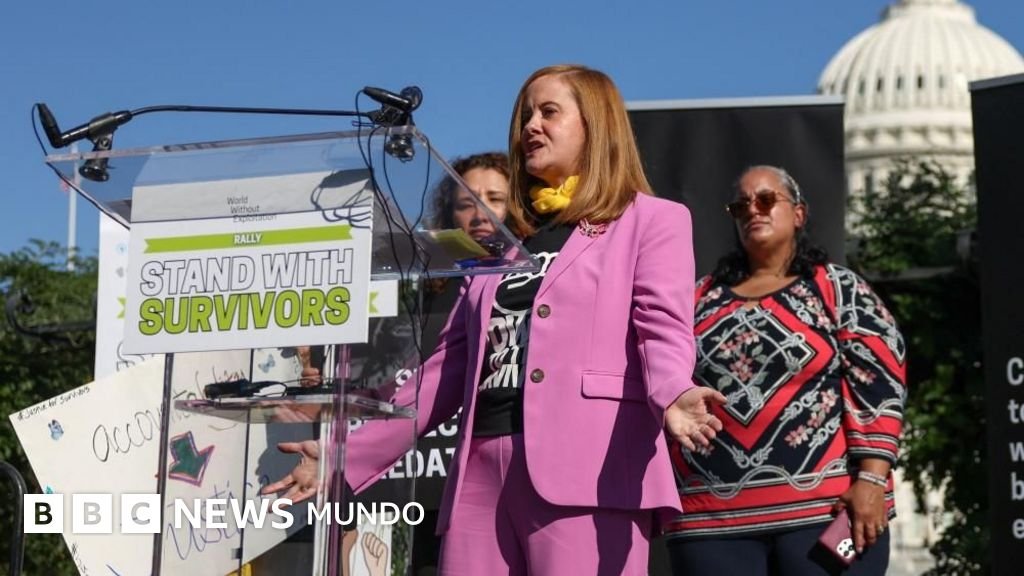
Liz Stein, one of Epstein’s victims, expressed her disappointment, stating, “We just want all the evidence of these crimes to be known.” On BBC Radio 4’s Today program, she accused the DOJ of blatantly disregarding the Epstein Archives Transparency Act, which mandates full disclosure of all related documents. Survivors are particularly concerned about the potential for “partial and context-lacking disclosures,” according to Stein.
Another survivor, Marina Lacerda, who was only 14 when she became a victim, echoed these sentiments, saying, “We worry a lot that the information is being redacted in the same way as before. We feel let down that the process is still being delayed and that we are being distracted with other matters.”
Content of the Released Documents
Among the recently released materials was a photo of Ghislaine Maxwell, Epstein’s associate currently in prison, in front of Downing Street, the official residence of the British Prime Minister. Other documents alleged that Epstein introduced a 14-year-old girl to former President Donald Trump at his Mar-a-Lago estate, along with several images of former President Bill Clinton. Additional photos displayed scenes from Epstein’s homes and included images of various celebrities like Mick Jagger and Diana Ross.
It’s important to note that just because an individual is mentioned or photographed in these documents does not imply wrongdoing. Many individuals named in these materials have vehemently denied any misconduct. Trump has consistently denied any illegal activity tied to Epstein and has not faced any charges. Clinton, too, has been free from accusations from Epstein’s victims and denies any awareness of his criminal actions.
Disappearing Files
Shockingly, at least 15 of the published documents were no longer accessible on the DOJ website by Saturday. According to reports, one of the missing files contained numerous framed photos, including images of Bill Clinton and the Pope, alongside a photo of Trump, Epstein, and Maxwell. Other absent documents featured images of a room that appeared to have a massage table and various nude artworks. The reason for the disappearance of these files remains unclear.
On Saturday evening, the DOJ clarified via social media that “photos and other materials will continue to be reviewed and redacted in accordance with the law, with utmost caution, as additional information comes to light.” The BBC has since sought comments from the DOJ regarding these issues.
Victim Identification and Redactions
During the document release, Deputy Attorney General Todd Blanche stated that the DOJ identified over 1,200 victims of Epstein or their family members, leading to the withholding of material that might identify them. Most documents were heavily redacted, removing personal identification information and graphic content related to child sexual abuse, physical abuse, or materials that could compromise ongoing federal investigations.
The DOJ maintained that it was not “redacting the names of any politicians,” emphasizing that the only redactions applied to documents were legally mandated. “We are not censoring the names of individuals or politicians unless they are victims,” the DOJ confirmed, according to their statements.
Concerns About Over-Redaction
Criminal defense attorney John Day voiced his surprise at the high level of redactions, suggesting that this could potentially invigorate conspiracy theories. “I don’t think anyone anticipated so many redactions, which undoubtedly raises doubts about the DOJ’s compliance with the law,” he remarked. He added that the DOJ is obliged to provide Congress with a record of what has been redacted within 15 days of the document release.
In a letter to the judges overseeing Epstein and Maxwell’s cases, the U.S. Attorney for the Southern District of New York, Jay Clayton, indicated that protecting victim privacy justified the redactions. Clayton stated, “The department believes that, given the limited time available, it must opt for redaction to protect the victims.”
Protecting Survivor Interests
Baroness Helena Kennedy, a human rights lawyer and member of the UK’s Labour Party, commented that authorities were concerned about exposing individuals to further public humiliation. She noted that many survivors seem highly interested in the material’s release but added, “They might not be as eager if they knew exactly what it contains.”
Democratic Congressman Ro Khanna, who, alongside Republican Congressman Thomas Massie, advocated for the document release, characterized the effort as “incomplete.” He mentioned possibilities for action like impeachment or contempt charges, expressing frustration that “Our law requires them to explain the redactions,” and stating, “Not a single explanation has been provided.”
Massie echoed Khanna’s statement on social media, asserting that the Attorney General Pam Bondi and others at the DOJ could face repercussions in the future for failing to adhere to the document requirements, criticizing the DOJ’s actions as a blatant violation of the Epstein Archives Transparency Act.
Conclusion
The DOJ’s recent release of documents concerning Jeffrey Epstein has sparked significant concern among victims and lawmakers. With many documents heavily redacted and certain files disappearing, calls for transparency continue to grow.
Key Takeaways:
- The DOJ’s release of Epstein-related documents was limited and heavily redacted.
- Survivors are concerned about incomplete disclosures that lack context.
- Key figures like Trump and Clinton have denied any wrongdoing related to Epstein.
- Legislators are pushing for more transparency and accountability from the DOJ.