
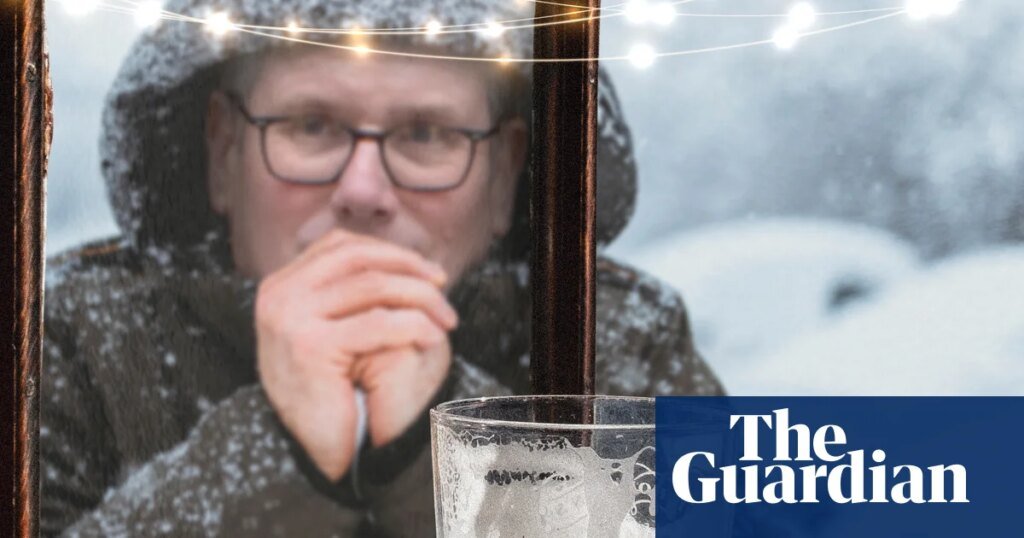
Labour MPs Face Unprecedented Challenges at Local Pubs
This weekend, Labour MPs returning to their constituencies might feel a mix of relief and disappointment. As they reflect on a tumultuous term in British politics, they could be looking to unwind at their local pub, but festive cheer may be hard to find. In fact, for some, access to their favorite watering holes has become an issue due to recent protests regarding tax reforms.
Protests Hit Local Pubs
Pubs throughout the UK have recently displayed signs reading “No Labour MPs” in reaction to the changes to business rates introduced by Chancellor Rachel Reeves in her latest budget. This movement has left many Labour MPs with fewer places to escape the unflattering spotlight their party has faced. According to backbenchers, they often face public hostility after an especially challenging year, during which the party’s popularity has plummeted from around 34% to a mere 18%.
One MP encapsulated the struggle, saying, “Being the MP in the area where you grew up has become increasingly difficult. The local pub, once a place for family outings, has turned into a venue where interactions often lead to being shouted at by other patrons.” This sentiment of frustration was echoed in a recent video message by Tom Hayes, Labour MP for Bournemouth East, who spoke about being banned from a local pub, the Larderhouse. “During the Christmas season, which is meant to be joyful, signs like these undermine the inclusive culture that local business owners have worked hard to foster,” Hayes lamented, further emphasizing, “It’s essential to keep politics off the high street, particularly during the holidays.”
Impacts of the Budget
While the outcry regarding pubs painted a blemish on the recent budget, it initially seemed that Reeves had gained the backing of various stakeholders by raising taxes and removing the two-child benefit cap. “The pubs controversy is the one area where we might need to reassess our stance,” acknowledged one minister.
Struggles of the Pub Industry
The pub sector has faced its own set of challenges over the past few years, contending with rising costs, the pandemic’s effects, and a shift in the social habits of younger generations. After a tough period, publicans had hoped this budget would provide relief through a long-anticipated overhaul of business rates. Instead, the chancellor opted for minor rate reductions while pledging £4.3 billion in support over three years, which many believe falls short of what is required.
- The taxable value of pubs and restaurants spiked following a three-year property revaluation.
- Average hotel rates will increase by 115%, while pubs may see a rise of 76%.
- This contrasts sharply with more modest increases for larger companies.
Joe Butler, the landlord at the Tollemache Arms in Northamptonshire, commented, “Overnight, the valuation of our business skyrocketed. That’s going to hit us hard.” This surge in costs is expected to trickle down to customers as well: “The price of a pint has become nearly unmanageable, climbing from £3.40 a decade ago to nearing £7 now,” Butler detailed.
Cultural Significance of Pubs
Many within the Labour Party recognize that confronting the pub sector might not be a wise battle. Richard Quigley, MP for Isle of Wight West and a chip shop owner, noted, “For two years, we promised support to pubs and restaurants, only to see them hit by this revaluation. Large corporations shouldn’t benefit while local businesses suffer.” Despite the challenges faced, Keir Starmer has often highlighted the importance of local pubs to communities, underscoring their cultural significance.
Public sentiment reflects this connection; Joe Twyman, co-founder of the consultancy Deltapoll, remarked, “Pubs hold a unique space in British culture. They are seen as vital community hubs, even by those who may not visit frequently.” Any hostility toward pubs could be politically detrimental, especially in rural areas.
A Divided Industry
Andy Lennox, who runs the Old Thatch in Wimborne, Dorset, initiated the “No Labour MPs” campaign, distributing stickers to nearly 1,000 venues to voice industry discontent over taxation. “We’re demanding fair treatment,” he shared. Even though some publicans question the wisdom of targeting individual MPs, the movement seems to gain momentum.
The Treasury has insisted on its support for the hospitality sector but encounters a brick wall of resistance from landlords. Joe Butler expressed, “We have a rapport with our MP, and it’s nothing personal; we simply need to take a stand as an industry.”
Conclusion
As Labour MPs navigate this complex political landscape, they grapple with the dual challenges of public dissatisfaction and local pub access. The recent budget could have provided support to the struggling pub industry, yet the unresolved tensions suggest that’s far from the case. The implications for Labour MPs and their constituents remain significant as they strive to rebuild connections and restore community support.
- Labour MPs are facing increased public hostility and venue bans in local pubs.
- Protests against Labour MPs highlight deep-seated frustrations over business rate changes.
- The recent budget has left the pub industry facing significant financial challenges.
- Pubs are culturally vital, often viewed as essential community hubs in Britain.