
Diplomatic Talks in Miami Amid Ongoing Tensions
Negotiators from Russia and the United States recently convened in Miami, Florida, following a strong call from Ukrainian President Volodymyr Zelenskyy for the U.S. to increase pressure on Moscow to end its ongoing aggression in Ukraine. The meeting featured Kirill Dmitriev, a special envoy for Russian President Vladimir Putin, and U.S. representatives Steve Witkoff and Jared Kushner, who are associated with former President Donald Trump.
Positive Discussions and Continued Negotiations
During the meeting, Dmitriev shared with reporters that the talks were constructive and would carry on into Sunday. “The discussions are proceeding constructively,” he noted, highlighting that conversations had started earlier and would be ongoing.
U.S. Secretary of State Marco Rubio indicated that he might join the negotiations in Miami. He acknowledged that while some progress has been made in efforts to conclude the conflict, significant challenges remain. “The role we’re trying to play is one of ensuring whether there’s any common ground for agreement, which has required considerable time and effort from us,” he explained. Rubio expressed hope that a resolution could be reached by the end of the month, or at least by the year’s close.
Negotiating a Peace Plan
For several weeks, U.S. envoys have been engaged in discussions surrounding a comprehensive 20-point peace plan, involving officials from Ukraine, Russia, and Europe. Although U.S. representatives state that strides have been made, substantial disagreements persist, particularly concerning territorial issues and security assurances that Ukraine has deemed essential for any viable agreement.
Ukraine’s Position on Pressure and Diplomacy
Back in Kyiv, Zelenskyy supported the U.S.-led negotiations but stressed that they must be paired with intensified pressure on Russia. He stated, “America must clearly say, if not diplomacy, then there will be full pressure… Putin does not yet feel the kind of pressure that should exist.” Additionally, he shared that the U.S. has proposed a new trilateral dialogue format involving national security advisers from Ukraine, Russia, and the U.S.
Though Zelenskyy expressed doubt about the potential for groundbreaking outcomes from these talks, he mentioned his willingness to back trilateral discussions that might facilitate progress on issues like prisoner exchanges or high-level meetings. “If a meeting could be organized now to enable the swap of prisoners of war, or if a meeting of national security advisers leads to agreement on a leaders’ summit… I can’t oppose this. We would support such a U.S. proposal. Let’s see how things unfold,” he commented.
Recent Developments and Ongoing Conflict
The last time official communications occurred between Ukrainian and Russian representatives was in July, in Istanbul, resulting in some prisoner exchanges but little else. The talks in Miami occur against the backdrop of Putin affirming his commitment to escalate military operations in Ukraine, touting Russia’s battlefield advancements during a recent press conference.
Notably, Putin suggested that Russia might consider halting its attacks to allow Ukraine to conduct presidential elections, a notion that Zelenskyy firmly dismissed. Meanwhile, casualties in Ukraine’s Black Sea region rose to eight following a Russian missile strike targeting port infrastructure, leaving numerous individuals injured. The assault also affected civilian transport, with a bus being struck, according to Ukrainian Prime Minister Yulia Svyrydenko.
Russian operations along the coastline have wreaked havoc in recent weeks, damaging critical infrastructures, including bridges and power supplies, in the face of freezing temperatures. Moscow had previously announced its intention to intensify attacks on Ukrainian ports as retribution for assaults on its oil tankers.
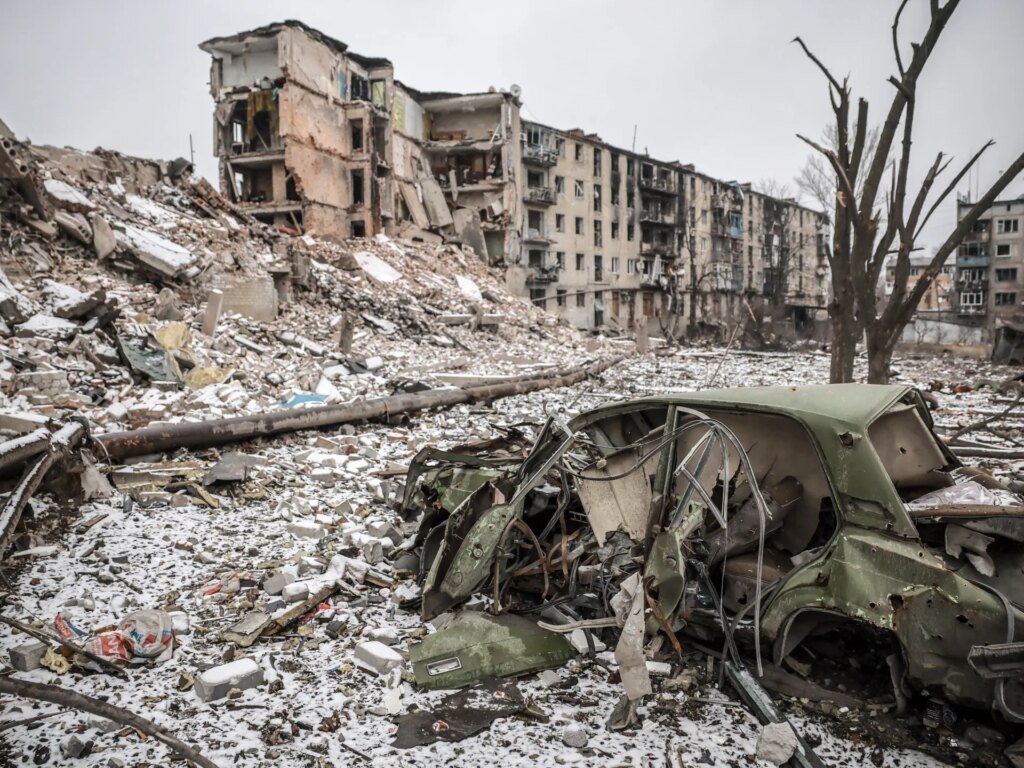
In a report on Saturday, Ukrainian forces claimed to have destroyed two Russian fighter jets at a Crimea airfield. They also targeted a Russian oil rig in the Caspian Sea and a nearby patrol ship. Putin has characterized Russia’s large-scale invasion of Ukraine as a “special military operation” aimed at “demilitarizing” the nation and preventing NATO’s expansion. In contrast, Kyiv and its European allies contend that the war represents an unprovoked and unlawful land seizure, leading to widespread violence and destruction, marking it as the largest conflict on European soil since World War II.
Conclusion
The discussions taking place in Miami highlight the ongoing diplomatic efforts between Russia and the U.S. amid a complicated and violent backdrop. While progress has been reported, the path to a sustainable peace remains fraught with challenges. The international community watches closely as both sides navigate these critical talks.
- High-level negotiations between Russia and the U.S. are ongoing in Miami.
- U.S. Secretary of State Marco Rubio aims to facilitate progress, despite significant differences.
- Ukrainian President Zelenskyy calls for increased pressure on Russia alongside diplomacy.
- The war remains the deadliest and largest conflict in Europe since World War II.