
Exploring the Absence of Women in Formula 1
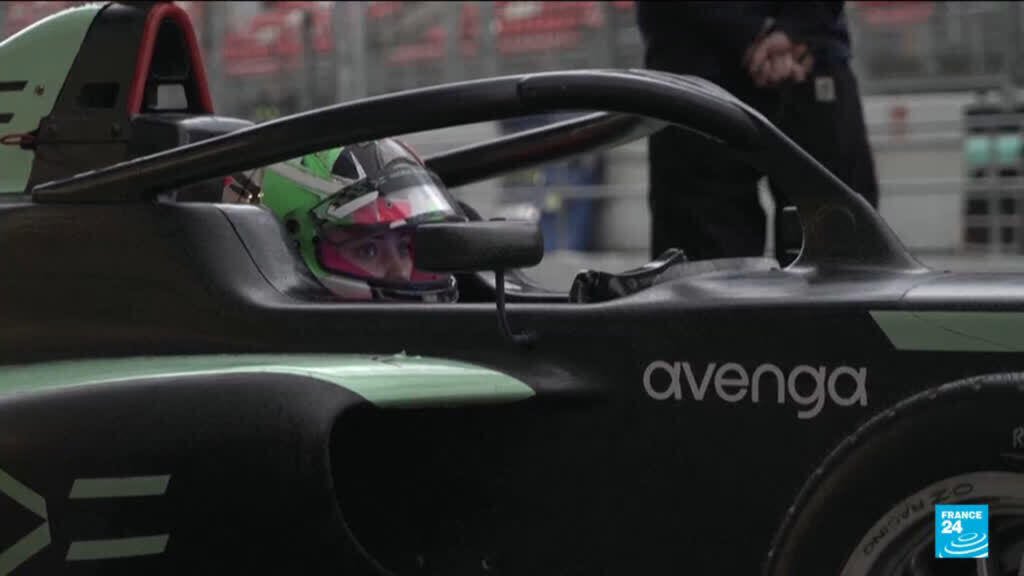
The world of Formula 1 has long been dominated by male drivers, leading many to wonder why this prestigious racing sport seems to be a male stronghold. Despite the absence of any regulations preventing women from competing, they remain noticeably underrepresented in this field. This article delves into the narratives of three young women—Skye Parker, Eliza Herbert, and Elise Gallé-Tessonneau—who challenge this status quo.
The Current Landscape of Formula 1
Formula 1, an exhilarating sport known for its speed and technology, has seen numerous male competitors over the years. Yet, the presence of female drivers has been minimal. This raises intriguing questions about the barriers that keep women from participating and excelling in this high-octane environment.
Stories of Aspiring Female Drivers
Skye Parker: A Trailblazer
Skye Parker is not just another aspiring driver; she’s a pioneer aiming to make her mark in a traditionally male-centered sport. With each turn on the racetrack, she pushes the boundaries and hopes to inspire future generations of female racers.
Eliza Herbert: Breaking Barriers
Eliza Herbert’s journey in motorsport reflects perseverance and the belief that women can compete at the highest levels. Her passion and dedication challenge the existing norms and serve as motivation for aspiring female drivers everywhere.
Elise Gallé-Tessonneau: Driving Change
Elise Gallé-Tessonneau embodies the spirit of change in Formula 1. With her determination and skill, she aims to prove that women can not only compete but excel, thereby encouraging a more inclusive atmosphere in the sport.
Why Women Are Still Absent
Several factors contribute to the limited involvement of women in Formula 1. From societal expectations to financial barriers, these challenges can create significant hurdles for aspiring female drivers. The lack of visibility and representation can further perpetuate the cycle of underrepresentation, making it crucial to address these issues head-on.
Moving Toward Inclusivity
Fostering inclusivity in Formula 1 requires collective effort from teams, organizations, and communities. By supporting female drivers and highlighting their achievements, the motorsport world can inspire more young women to pursue careers in racing.
Conclusion
The absence of women in Formula 1 raises critical questions about opportunity and equity in sports. The inspiring stories of Skye Parker, Eliza Herbert, and Elise Gallé-Tessonneau shine a light on the potential for female drivers in a world seemingly reserved for their male counterparts. As society evolves, it’s essential to embrace diversity and encourage all aspiring racers, regardless of gender.
- Formula 1 remains predominantly male, despite no regulations against female participation.
- Young women like Skye Parker, Eliza Herbert, and Elise Gallé-Tessonneau are challenging traditional norms.
- Barriers such as societal expectations and financial challenges hinder women’s entry into motorsport.
- Creating an inclusive environment can inspire future female drivers.