
Hong Kong’s New Blueprint for Chinese Medicine Development
Hong Kong health officials are introducing guidelines to help residents determine when to opt for traditional Chinese medicine (TCM) treatment, especially in cases where it may be more effective than Western methods. This initiative comes with the launch of the city’s first comprehensive development blueprint for Chinese medicine.
Boosting the Use of E-Health in Chinese Medicine
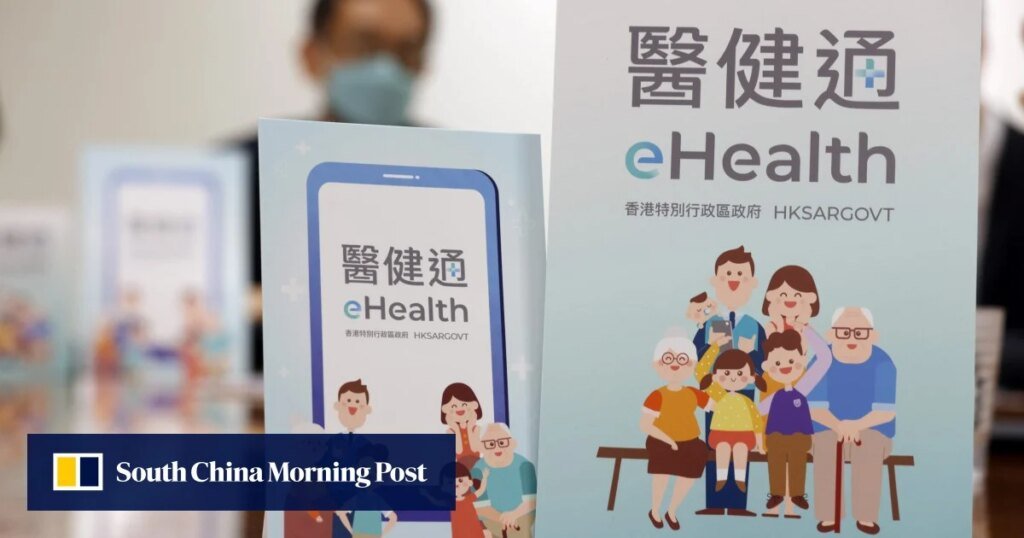
Vincent Chung Chi-ho, the Commissioner for Chinese Medicine Development, shared insights on Saturday regarding the current state of TCM practitioners in Hong Kong. Out of the approximately 10,000 practitioners, only 9 percent are utilizing eHealth, the government’s electronic medical record system. Chung emphasized that there’s a pressing need to increase the adoption of this technology among practitioners to streamline patient care.
A Comprehensive Development Approach
This past Thursday, the government unveiled its inaugural Chinese Medicine Development Blueprint, which encompasses five essential areas: services, profession, product development, cultural promotion, and global outreach. The plan delineates eight primary goals and outlines 20 actionable strategies aimed at enhancing the Chinese medicine landscape in the region.
Identifying Conditions with Unique Benefits
One notable initiative within this blueprint is the establishment of a list detailing specific medical conditions where Chinese medicine tends to have distinct advantages. Chung articulated that both Chinese and Western medical systems possess their unique strengths, and it’s crucial that residents receive adequate guidance in selecting the most appropriate treatment options.
Real-world Applications of TCM
As an illustrative example, Chung pointed to stroke patients who might benefit from traditional Chinese medicinal rehabilitation following conventional treatment received during the acute phase of their condition. This highlights the potential for a complementary approach between the two medical systems.
Conclusion
With the new development blueprint, Hong Kong aims to refine its approach to Chinese medicine by promoting greater integration with modern healthcare practices and improving accessibility for residents. This effort not only seeks to enhance the effectiveness of treatments but also aims to elevate the standard of care provided within the sector.
- Hong Kong is guiding residents on when to seek Chinese medicine treatments.
- Only 9% of TCM practitioners currently use eHealth for patient records.
- The new development blueprint outlines key areas for TCM enhancement.
- Focus on integrating TCM with Western medical practices for better patient outcomes.