
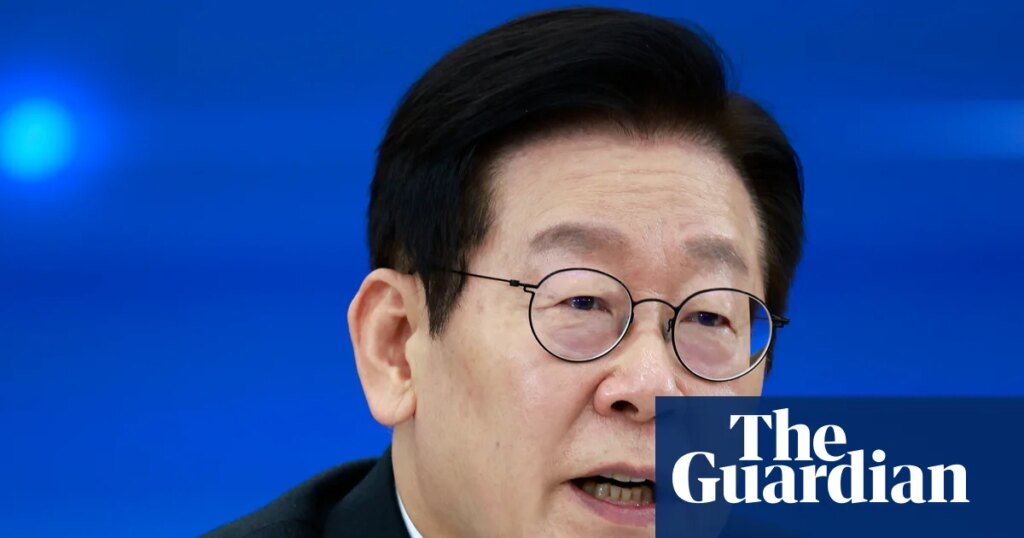
South Korean President Proposes Public Health Insurance for Hair-Loss Treatments
In a groundbreaking initiative, South Korean President Lee Jae-myung has directed his administration to explore the possibility of extending public health insurance to include treatments for hair loss. He argues that baldness is increasingly viewed as a “matter of survival” for younger individuals, rather than merely a cosmetic issue.
Government Proposal and Public Reaction
The proposal emerged during a recent policy briefing and has already sparked significant debate and backlash among medical professionals and conservative commentators. Currently, South Korea’s universal health insurance scheme only covers hair loss caused by medical conditions like alopecia areata, leaving the majority of treatments for common male pattern baldness unreimbursed.
President Lee emphasized that many young people feel it is unfair to pay insurance premiums without being able to access corresponding benefits. He noted that this has fostered a growing sense of alienation among the youth.
Cultural Context and Previous Attempts
This initiative is not entirely new for Lee, as he proposed it during his unsuccessful presidential campaign in 2022. At that time, critics labeled it as populist propaganda, leading him to omit it from his latest election platform. However, the renewed focus on this issue highlights South Korea’s intense societal emphasis on physical appearance.
A 2024 survey revealed that a staggering 98% of young adults believe that physically attractive individuals enjoy social advantages. While women face rigorous standards around beauty, including makeup and fitness, men often navigate the conversation around hair loss less openly. Some opt for hairstyles that mask thinning hair or seek out expensive treatments.
Market Overview and Financial Concerns
The hair-loss treatment market in South Korea was estimated to be worth around 188 billion won (£95 million) in 2024. According to industry sources, approximately 10 million people, out of a population exceeding 51 million, suffer from some degree of hair loss, although this statistic lacks official confirmation. Hair-loss shampoos have surged in popularity, though several recent products have been criticized for overstating their effectiveness.
The timing of Lee’s proposal is particularly critical as the South Korean health insurance system is under growing financial strain. Projections indicate potential deficits could reach as high as 4.1 trillion won (£2.1 billion) by 2026.
Mixed Reactions from Experts
Medical professionals have generally viewed the proposal with skepticism. The influential Korean Medical Association has stated that resources would be better spent on serious health issues, such as cancer treatment, rather than hair loss. Conservative media outlets have also criticized the suggestion; one editorial called for broader public consultation before making such a significant decision.
Health Minister Jeong Eun-kyeong expressed caution, interpreting Lee’s statement about hair loss being a matter of “survival” as relating to the psychological well-being of young adults in the job market.
When questioned on a radio show about the financial impact of extending insurance coverage, Jeong acknowledged that it would likely require extensive analysis.
Political Commentary and Future Directions
Former lawmaker Yoon Hee-sook, who has a family member undergoing cancer treatment, expressed sympathy for the stresses associated with hair loss but urged a focus on medical treatments that are linked to life or bodily functions. Conversely, ruling party MP Park Joo-min, known for advocating hair-loss issues, openly supported the proposal.
Additionally, on a related note, President Lee has tasked the fair trade commission with investigating the high prices of menstrual pads in South Korea, which he claims are approximately 39% more expensive than in other countries, suggesting the influence of monopolistic practices.
Conclusion
The proposal to include hair-loss treatments in public health insurance is a reflection of both cultural values and emerging psychological needs in South Korea. As debates continue, the government faces the challenge of balancing financial sustainability with the evolving demands of the public.
- South Korean President Lee Jae-myung is advocating for hair-loss treatment coverage under public health insurance.
- The initiative aims to address the feelings of alienation among young individuals regarding physical appearance.
- Medical professionals and conservative media are critical of the proposal, urging a focus on more pressing health issues.
- The discussion brings attention to the broader societal pressures surrounding beauty in South Korea.