
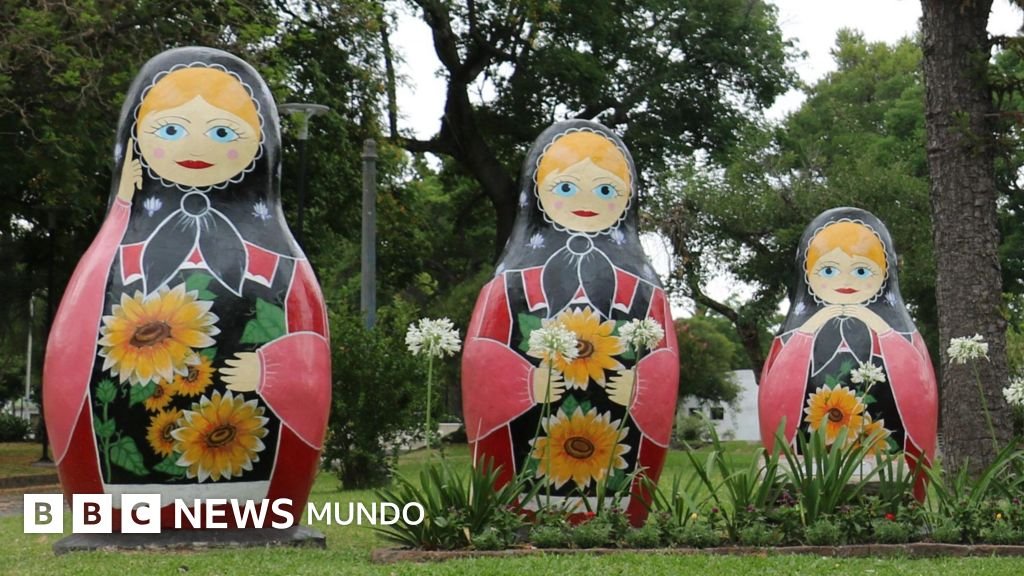
The Shadows of San Javier: A Dark Chapter in History
San Javier, a quaint Uruguayan village rich in Russian heritage, holds tragic tales beneath its serene surface. This article delves into the harrowing experiences of its residents during the military dictatorship between 1973 and 1985, showcasing a reality marked by brutality and injustice.
Unexpected Arrests
In the spring of 1980, San Javier’s unsuspecting residents fell victim to sudden and arbitrary detentions conducted by the military regime. Victor Macarov was apprehended as he left his school, while Miguel Schevzov was taken from a friend’s home. Vladimir Roslik Dubikin and many others were similarly caught off-guard, engaged in everyday activities. Within these few weeks, over twenty residents were arrested in a community known primarily for its Russian immigrant population.
Daily routines became nightmarish as individuals encountered a regime that had little regard for human rights. Stunned witnesses recount stories of friends and family members, such as Esteban Gilsov, who was returning from fishing, or Néstor Dubikin, just 16 years old, cycling to the river. They were all ensnared in a web of state-sponsored terror.
Brutal Interrogations
Those detained were taken to a military barracks, blindfolded, and subjected to severe torture. Eleven residents were imprisoned for extended periods, stripped of any understanding of their alleged offenses. Néstor Dubikin, now 62, echoed the confusion and horror of those times, stating, “I don’t understand what provoked such evil.” The prosecutor in the ongoing trial against the perpetrators emphasized that these individuals lost their freedom solely based on their Russian descent, not for any political reasons or actions.
A Community Marked by Fear
Situated roughly 360 kilometers northwest of Montevideo, San Javier is a small village that had a population of approximately 1,700 at the time of these tragedies. Known for its Russian traditions, the community found itself in a chokehold of state oppression.
Detained individuals faced humiliating and extreme interrogations that defied logic. The military questioned them about imaginary connections to the Communist Party of Uruguay, which had been outlawed and repressed. Ricardo Bozinsky, one young victim, recounted the absurdities they were subjected to, such as accusations responsibilities for events in Vietnam.
Lasting Impacts on Residents
For many, these encounters with the military left scars that were both physical and psychological. Aníbal Lapunov described how enduring mental fatigue was a form of torture in itself. The memories of those incidents linger to this day, shaping the community’s collective consciousness.
Family Stories
Lena Roslik recounted the traumatic experiences of receiving clothes from her imprisoned family members that bore peculiar odors; she referred to it as the “smell of fear.” Some individuals were released after a few days but not before being coerced into signing false confessions implicating them in a nonexistent communist plot.
A Tragic Loss: Vladimir Roslik
The situation escalated into tragedy when Vladimir Roslik Bichcov was murdered while in custody, intensifying public unrest and outrage. His wife, María Zavalkin, described the moment she learned of his death and the brutal treatment he had endured. Subsequent autopsies revealed that his death was caused by factors consistent with violent torture.
Unraveling the Truth
The motivations behind these military operations remain enigmatic. An anonymous tip led to the village being infiltrated by military agents posing as civilians. The presence of Russian language and cultural practices, including popular dances and cuisine, fuelled the regime’s suspicions and actions against the community.
Seeking Justice
Currently, several former military officials are facing trial for their involvement in these injustices. While they claim innocence, the ongoing trial aims to shine a light on the dark chapters of Uruguay’s past and seek justice for those wronged.
Conclusion
San Javier serves as a lasting reminder of the horrors faced by its residents during a turbulent period in Uruguayan history. The scars of past trauma continue to shape the community, as they strive to find a sense of solace and justice.
Key Takeaways
- San Javier experienced brutal military operations and arbitrary detentions in the 1980s.
- Victims were subjected to severe torture and coerced confessions with no political basis.
- The tragic murder of Vladimir Roslik became a pivotal event that intensified public demand for justice.
- Current trials of former military officials are rekindling conversations about human rights and accountability.