
EU Offers €90bn Loan to Ukraine Amidst Ongoing Conflicts
In a significant move, leaders of the European Union have reached an agreement to extend a substantial €90 billion ($105 billion) loan to Ukraine. This decision comes after extensive discussions that lasted more than a day during a recent summit in Brussels. The agreement aims to address Ukraine’s pressing military and economic needs over the next two years, showcasing the EU’s commitment to its support for the nation.
Key Aspects of the Agreement
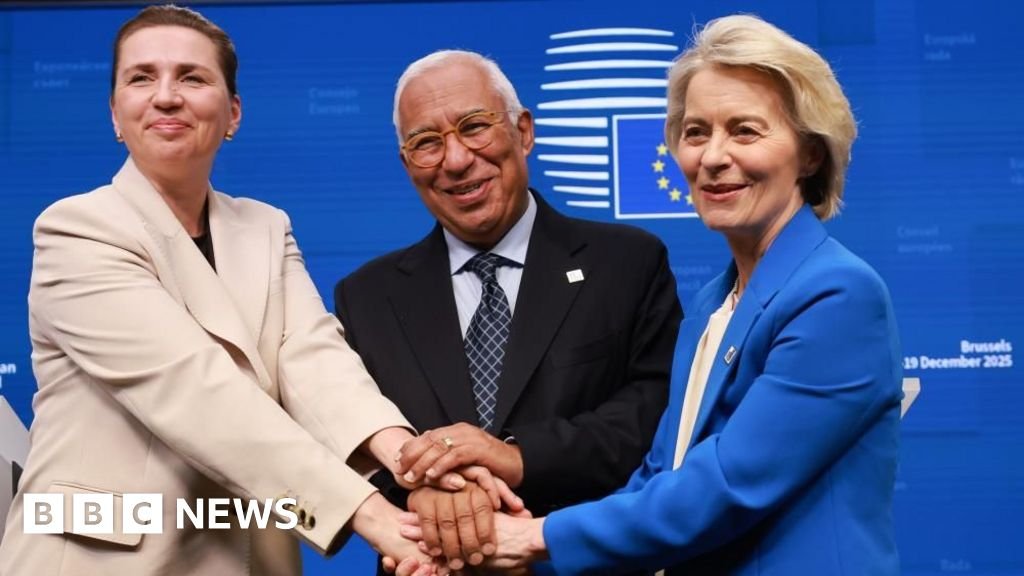
EU chief Antonio Costa shared the news on social media platform X, stating, “We committed, we delivered,” in reference to the loan arrangement supported by the bloc’s common budget. Initially, Ukrainian President Volodymyr Zelensky had hoped for the utilization of €200 billion in frozen Russian assets, predominantly held in Belgium. However, Belgium requested assurances concerning shared liabilities, creating a hurdle that other EU nations found challenging to overcome.
Expressing gratitude, Zelensky remarked that this loan represents “significant support that truly strengthens our resilience.” He emphasized the importance of keeping Russian assets “immobilised,” acknowledging the unity among European leaders in reaching this agreement.
Diplomatic Dynamics and Future Talks
In a separate vein, French President Emmanuel Macron conveyed his belief that it would be “useful” for Europe to re-engage in discussions with Russian President Vladimir Putin. He articulated the need for Europeans to formulate a suitable framework to foster these dialogues in the coming weeks.
Belgian Prime Minister Bart De Wever highlighted the EU leaders’ decision to secure the loan via borrowing, averting “chaos and division” that the frozen asset plan could have incurred. “We remained united,” De Wever stated, noting Ukraine’s imminent financial strain, which could lead to a reduction in crucial areas such as drone production without timely support.
The Financial Landscape in Ukraine
The EU estimates that Ukraine requires an additional €135 billion to maintain its operations over the next two years, with significant financial pressures anticipated starting in April. German Chancellor Friedrich Merz, who advocated for the initial asset plan, asserted that the loan decision sends a decisive message to Putin. Despite warnings from Russia against utilizing its resources, Polish Prime Minister Donald Tusk insisted that EU leaders needed to “rise to this occasion.”
Ongoing Negotiations and International Relations
The agreement comes as a crucial lifeline for Kyiv amid diplomatic efforts to resolve the ongoing conflict. US President Donald Trump has been advocating for a swift deal to bring an end to the war with Russia. Upcoming meetings in Miami between US and Russian officials will focus on discussions regarding a peace plan, involving Kremlin envoy Kirill Dmitriev and Trump’s representatives.
In parallel, Zelensky announced that Ukrainian and US delegations would be convening for new talks over the weekend. He expressed the necessity for Washington to clarify the guarantees it could extend to protect Ukraine from potential future threats.
Conclusion
The EU’s decision to grant Ukraine a €90 billion loan underlines the bloc’s continued support amid ongoing challenges. With diplomatic dialogues in motion, both sides are looking towards creating a stable future in the region while addressing urgent financial needs for Ukraine.
- The EU has agreed to provide Ukraine with a €90 billion loan to support its economy and military.
- Discussions to utilize frozen Russian assets faced challenges due to liability concerns.
- French President Macron suggests re-engaging in discussions with Putin.
- Ukraine requires around €135 billion to sustain its economy over the next two years.