
EU Loan Agreement Offers Significant Support to Ukraine
In a pivotal development, Hungarian Prime Minister Viktor Orbán has agreed to allow a substantial EU-backed loan to Ukraine, contingent upon the exclusion of Hungary, Slovakia, and the Czech Republic from the debt guarantees. This decision ensures that the financial responsibilities of these three countries remain unaffected as they have chosen not to contribute to Ukraine’s financing. This agreement follows pressing discussions among European leaders regarding the complexities of using frozen Russian assets for the loan.
The Loan Agreement Details
The European Union has committed to providing Kyiv with a €90 billion (approximately $105 billion) interest-free loan to help cover its critical financial needs for the next two years. This loan will be secured against the EU budget rather than relying on frozen Russian assets. According to European Council President António Costa, the loan is essential for Ukraine’s resilience, as they would only need to repay it once Russia compensates for damages it has caused.
Challenges in Securing Frozen Assets
Initial plans to utilize around €200 billion of Russia’s immobilized central bank assets in the EU for this loan were thwarted by Belgium’s demand for unlimited budget guarantees amid concerns over potential liabilities. Prime Minister Bart De Wever expressed skepticism about using these assets, suggesting there were too many unresolved issues in the proposal. His remarks reflected a cautious approach to complex negotiations.
Reactions from European Leaders
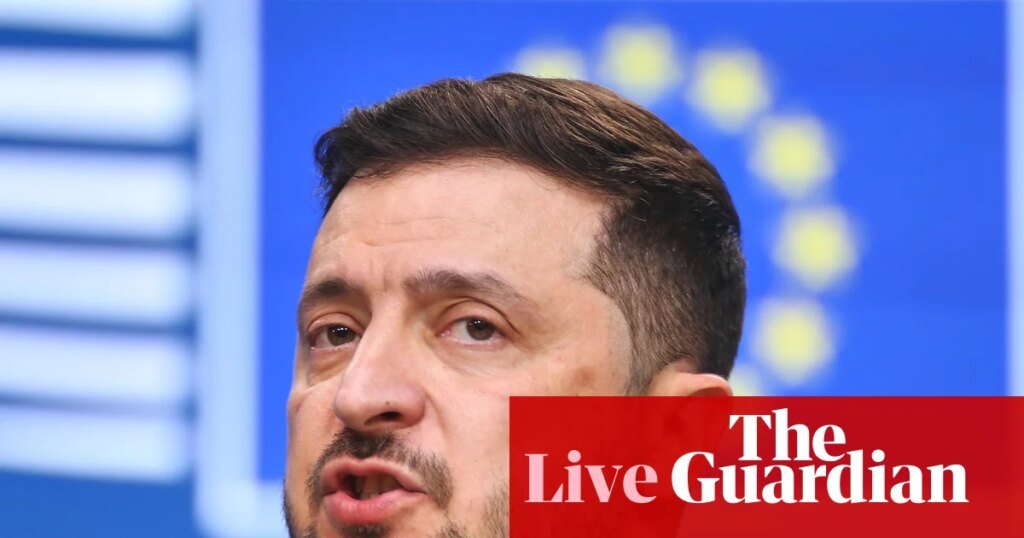
Volodymyr Zelenskyy, the President of Ukraine, expressed his gratitude towards EU leaders, emphasizing the importance of the financial security the agreement provides. He remarked, “This is significant support that truly strengthens our resilience.” Zelenskyy also insisted on the necessity of keeping Russian assets immobilized while appreciating the support from EU member states.
A Unity in Support
During the summit in Brussels, Zelenskyy urged leaders to use frozen Russian assets, highlighting morality and fairness in the action. The estimated €135 billion needed by Ukraine over the next two years illustrates the urgent necessity for such financial support.
Future Talks and Developments
Meanwhile, discussions regarding Ukraine’s situation are set to continue in Miami, where US and Russian representatives will engage in meetings over the weekend. President Donald Trump has encouraged Ukraine to expedite negotiations toward a peace deal, cautioning that delays benefit Russia.
Summary of Key Developments
- Hungary, Slovakia, and the Czech Republic are not liable for the EU-backed loan to Ukraine.
- The EU’s decision highlights the complexities of using frozen Russian assets for financial assistance.
- Ukraine has been granted a €90 billion interest-free loan supported by the EU budget.
- Ongoing talks in Miami could pave the way for a new peace deal concerning Ukraine.
Conclusion
This agreement marks a critical moment for Ukraine as it seeks vital financial support amidst ongoing challenges. With coordinated efforts from EU leaders, Ukraine receives the necessary assistance to bolster its resources while ensuring accountability from Russia. The continued dialogue with international partners symbolizes a unified front in addressing the ongoing conflict.
Key Takeaways
- The EU has approved a €90 billion loan to Ukraine, secured against the EU budget.
- Hungary and neighboring countries will not face financial liability concerning the loan.
- Efforts to utilize frozen Russian assets for Ukraine’s benefit faced significant hurdles.
- Ongoing discussions in Miami could influence future peace negotiations regarding the conflict.