
EU Delays Mercosur Agreement Amid Farmers’ Concerns
After intense discussions among the 27 EU member states, the signing of the controversial Mercosur agreement has been postponed to January. This decision, made by Commission President Ursula von der Leyen, has left supporters, particularly from Germany and Spain, feeling frustrated.
The Summit Discussions
The trade deal was at the center of the recent EU summit, with France and Italy advocating for a delay to ensure stronger protections for farmers. Von der Leyen had initially aimed for a signing ceremony in Latin America on December 20, pending member state approval. Without a consensus, this event is now indefinitely canceled.
An EU official stated, “The Commission proposed that it postpones to early January the signature to further discuss with the countries who still need a bit more time.” This reflects the challenges faced in reaching an agreement that satisfies all parties involved.
Reactions from Key Leaders
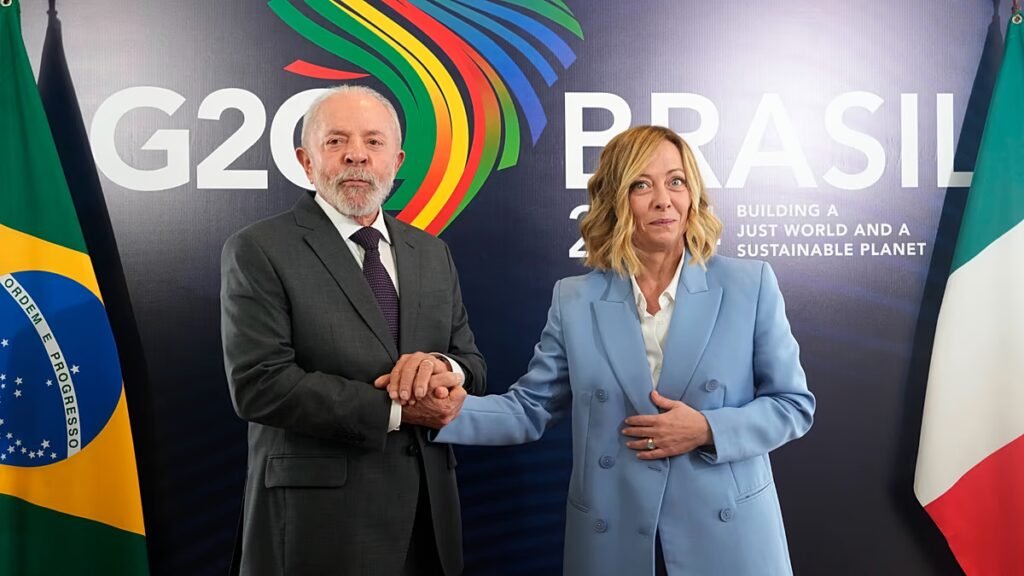
Prime Minister Giorgia Meloni of Italy, after a conversation with Brazilian President Luiz Inácio Lula da Silva, expressed her support for the deal but emphasized the need for stronger assurances for Italian farmers. Lula mentioned that Meloni assured him that the trade agreement would be ratified within the next 10 days to a month.
About the Mercosur Agreement
The Mercosur agreement aims to establish a free trade area between the EU and the South American countries of Argentina, Brazil, Paraguay, and Uruguay. However, European farmers are worried that it could lead to unfair competition due to differences in pricing and practices.
Meloni noted, “The Italian government is ready to sign the agreement as soon as the necessary answers are provided to farmers. This would depend on the decisions of the European Commission and can be defined within a short timeframe.” Lula had previously indicated he might withdraw from the deal unless an agreement was reached this month, but his tone softened following discussions with Meloni.
The Bigger Picture
The urgency surrounding the talks stems from the need for the EU to secure new markets, especially as its largest trading partner, the US, has adopted a stringent tariff policy, leading to a tripling of duties on European exports during Donald Trump’s administration.
An EU diplomat commented, “This is one of the most difficult EU summits since the last negotiation of the long-term budget two years ago.” The complexity of the negotiations was further exacerbated when France began calling for a delay, driven by farmers’ discontent over the potential impacts of the deal.
Complex Negotiations Ahead
France has consistently opposed the agreement, advocating for strong protections for farmers and a commitment to matching environmental and health production standards set by Mercosur countries.
Approval of the agreement requires a qualified majority, but France, Poland, and Hungary have voiced their dissent. Austria and Belgium have indicated plans to abstain from any votes, while Ireland has also raised objections regarding protections for farmers.
The European dynamics remain precarious, as delays in finalizing the agreement could lead Mercosur countries to abandon these lengthy negotiations altogether. Following his conversation with Meloni, Lula indicated he would relay Italy’s requests to the Mercosur members to determine the next steps.
An EU official stated that communications with Mercosur members are “ongoing,” emphasizing the need for mutual acceptance of any terms agreed upon.
Conclusion
The postponement of the Mercosur agreement illustrates the complexities of international trade negotiations, particularly when balancing the interests of local farmers with global market opportunities. As member states navigate these discussions, the future of this long-awaited agreement hangs in the balance.
- The signing of the Mercosur agreement has been postponed to January due to farmers’ concerns.
- Italy’s Prime Minister Meloni seeks stronger protections for local farmers before signing.
- Farmers in Europe fear the potential for unfair competition from Latin American imports.
- Negotiations are vital as delays could jeopardize the deal after years of talks.