
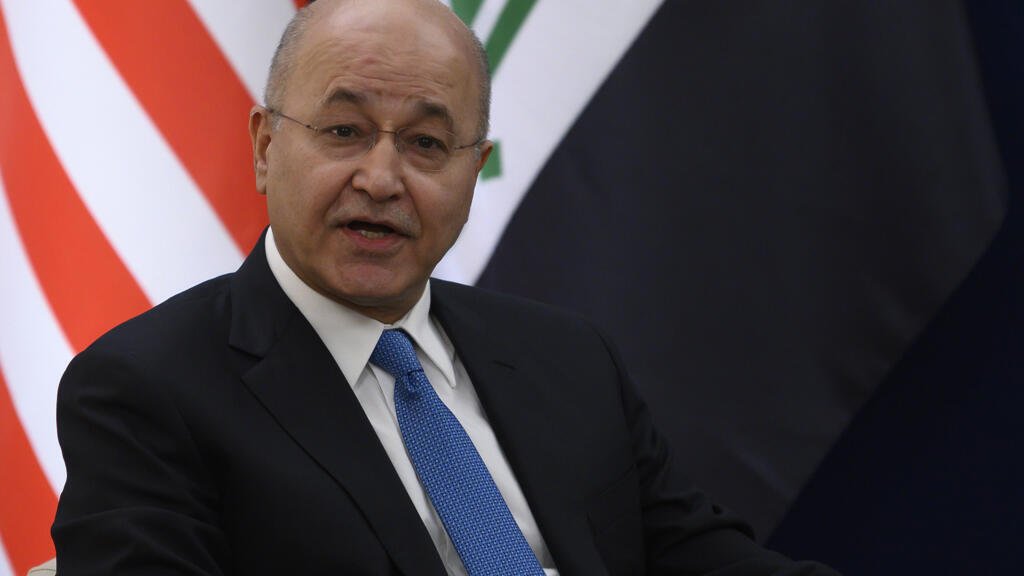
UN General Assembly Appoints Barham Salih as New Head of Refugee Agency
In a significant and historic move, the United Nations General Assembly has chosen former Iraqi President Barham Salih to lead the UN refugee agency. This marks a notable milestone, as he becomes the first individual from the Middle East to hold this position since the late 1970s. The 65-year-old was elected by consensus among the 193 member states.
Background of Barham Salih
Barham Salih has an extensive political background and is well-regarded for his leadership abilities and dedication to humanitarian issues. His experience as the president of Iraq has equipped him with invaluable insights into the complexities of refugee crises, particularly in the Middle East.
Significance of the Appointment
This appointment is not just a recognition of Salih’s credentials but also reflects the growing importance of Middle Eastern perspectives in global humanitarian efforts. With ongoing conflicts and crises in the region, his leadership will bring much-needed attention to the pressing needs of displaced populations.
Future Endeavors of the UN Refugee Agency
As the new head of the UN refugee agency, Salih is expected to prioritize collaboration with member states and NGOs to enhance support for refugees worldwide. His objectives may include improving living conditions, facilitating resettlement opportunities, and advocating for those forcibly displaced by conflict.
Challenges Ahead
The road ahead is filled with challenges. The UN refugee agency will need to navigate complex geopolitical landscapes while addressing the humanitarian needs of millions. Salih’s experience will be crucial in fostering dialogue and cooperation among various stakeholders.
Conclusion
Barham Salih’s election as the head of the UN refugee agency represents a pivotal moment, bringing a Middle Eastern perspective to global refugee issues. His leadership promises to shine a light on the unique challenges faced by displaced populations, promoting actionable solutions.
- Barham Salih is the first leader from the Middle East in this role since the 1970s.
- The consensus election reflects global recognition of his leadership abilities.
- His appointment underscores the critical importance of regional insights in addressing refugee crises.
- Future efforts will focus on improving conditions for refugees and fostering international cooperation.