
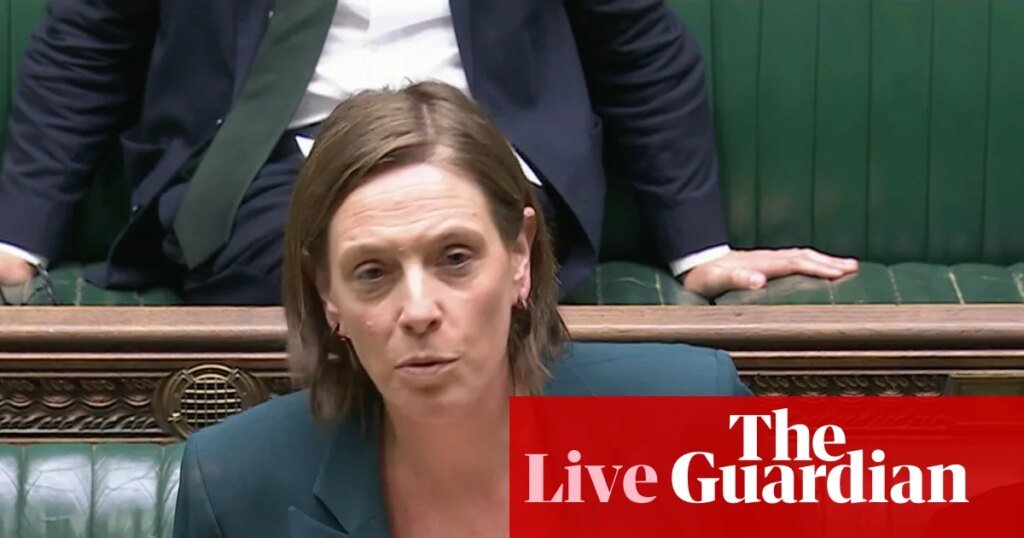
Critique of the Government’s Approach to Violence Against Women and Girls (VAWG)
In a recent discussion regarding the government’s strategy to address violence against women and girls (VAWG), prominent figures have expressed concern about the focus placed on the issue of migrant offenders. This article delves into the discussions surrounding data collection, cultural implications, and the effectiveness of the government’s response.
The Focus on Migrants
Alison McGovern, a local government minister, highlighted the inadequate data collection regarding violent crimes, particularly those against women. She noted the government’s efforts in increasing the deportation of foreign offenders but pointed out that this approach may be misdirected. McGovern indicated that if the only crime requiring attention was committed by newcomers to the country, addressing it would be far more straightforward. In reality, the vast majority of VAWG cases involve individuals born in the nation, often perpetrated by those from the same communities.
Criticism of Tory Responses
Katie Lam, a shadow Home Office minister, provided the official Conservative response to the VAWG strategy. Much of her time was spent discussing perceived threats to women posed by migrants. Lam argued for the necessity of tough conversations addressing cultural differences regarding women’s rights, referencing troubling court cases that illustrate misunderstandings about consent among newcomers. She stated:
“Truly protecting women and girls demands that we have difficult and sometimes awkward conversations …”
Lam contended that these discussions are imperative to improving safety for women and girls across the country. However, her focus on migration as a contributing factor to VAWG was met with skepticism by others who emphasized that violence against women is prevalent across all communities.
Concerns from Child Advocacy
Rachel de Souza, the children’s commissioner, also expressed apprehension regarding the VAWG plan, believing it lacks adequate protections for girls under 16. She acknowledged positive aspects of the strategy, including the formation of ‘Child Houses’ to support young victims of abuse. However, she remained cautious, asserting that more robust measures are needed to safeguard younger girls from violence.
Legislative Measures Against Digital Abuse
In her opening statement, Jess Phillips announced significant new legislation aimed at combating digital abuse, particularly the use of generative AI to create non-consensual nude images. This initiative aims to enhance protections for women and girls from the dangers posed by “nudification” tools, which have shown to have harmful consequences for victims.
Shifting the Narrative
The discussions surrounding the government’s VAWG strategy demonstrate a complex interplay between migration, cultural attitudes, and domestic violence. Critics argue that while an analysis of crime statistics related to immigration is necessary, it should not overshadow the fundamental issues of VAWG that exist within all communities. There is a need for comprehensive data and informed discussions that encompass the full spectrum of violence against women and girls.
Conclusion
The government’s response to VAWG has ignited debates about the role of immigration, cultural differences, and the need for better data collection. Moving forward, it is crucial for policymakers to engage in meaningful conversations that address the root causes of violence, ensuring that all communities are included in the dialogue aimed at creating safer environments for women and girls.
Key Takeaways
- The majority of VAWG cases are perpetrated by individuals born in the country.
- Katie Lam emphasizes the need for difficult conversations regarding cultural attitudes toward women.
- Rachel de Souza highlights gaps in protections for younger girls under 16.
- New legislation aims to protect women from digital abuse through generative AI tools.