
Understanding the European Council Summit
The European Council summit is a significant event that brings together national leaders to discuss critical issues affecting Europe. Capturing the distinct nuances of the Council of the EU, the Council of Europe, and the European Council can be perplexing for many. This article delves into the details of the upcoming summit, including its structure, the languages spoken, and the atmosphere surrounding the event.
The Summit Essentials
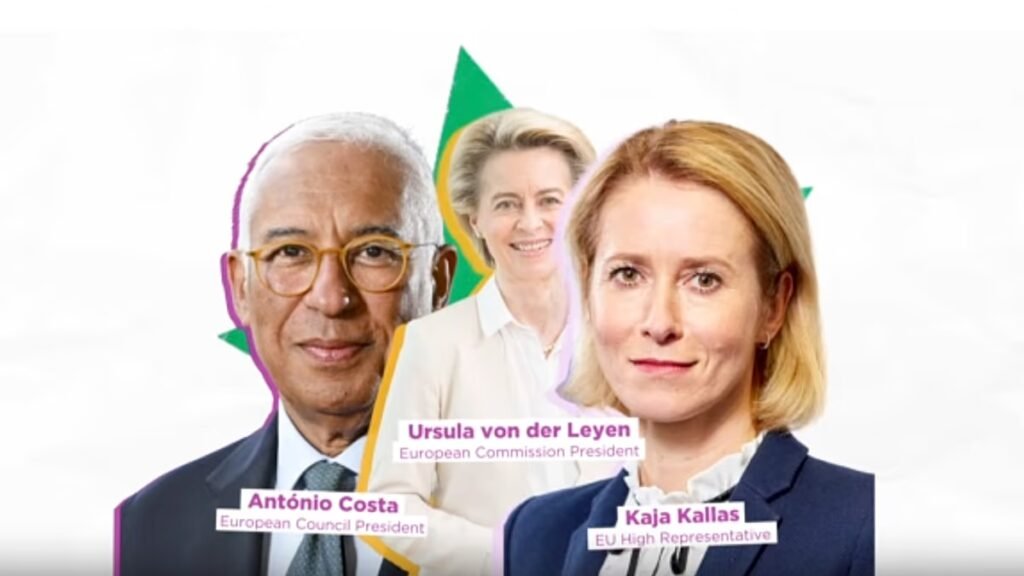
Scheduled to last for two days, the summit is set to gather 30 influential figures in one room. This includes 27 national leaders along with three special representatives: Antonio Costa, Ursula von der Leyen, and Kaja Kallas. This set-up calls for a well-arranged seating chart to accommodate everyone.
Language Diversity
With 24 official languages in the European Union, the summit generates a staggering number of potential language combinations—over 500, to be precise. However, the reality is that most discussions are predominantly conducted in English, even post-Brexit.
Media Presence
The summit attracts considerable media attention, with around 1,000 journalists descending upon the venue, including our team at Euronews. This translates to nearly 33 reporters per leader, ensuring that every word and gesture is scrutinized.
External Protests
This week’s summit is not just buzzing with discussions inside. A significant farmers’ protest is taking place outside the venue. With megaphones reaching volume levels of 110 decibels—comparable to the sound of a chainsaw—the leaders will certainly be aware of the demonstrators’ presence. The real question remains: will they take the time to listen to their concerns?
For an in-depth look at the summit, make sure to catch the full story in the video player above.
Conclusion
The European Council summit is not just a gathering of leaders but a complex event filled with language differences, media scrutiny, and external pressures. Understanding these dynamics is essential for grasping the multifaceted nature of European governance.
Key Takeaways
- The summit involves 30 leaders, including representatives from member nations and key EU figures.
- English remains the primary language for negotiations despite the linguistic diversity.
- About 1,000 journalists cover the event, ensuring comprehensive media representation.
- External protests, including a farmers’ demonstration, highlight pressing issues for EU leaders.