
The Dark Truth Behind Military-Style Schools in China
In recent years, alarming stories have emerged from military-style educational institutions in China, revealing severe instances of abuse. These schools, often marketed as solutions for disobedient or troubled teens, have come under fire for using extreme measures to control students. This article delves into the harrowing experiences of individuals who have escaped these institutions and the growing concerns surrounding their practices.
The Start of a Disturbing Journey
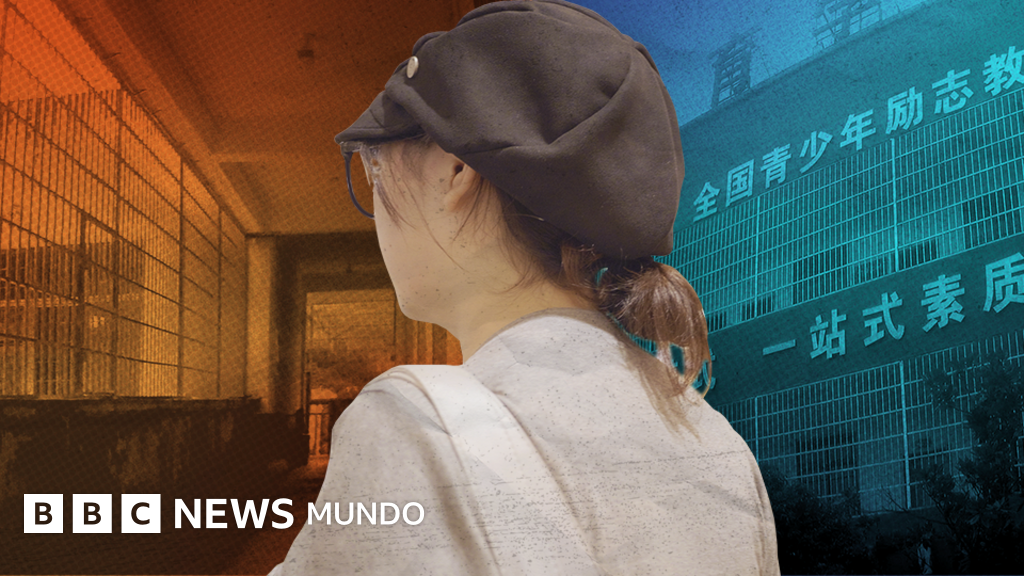
For one young woman named Baobao, the scent of rain-drenched earth brings back haunting memories. At just 14, she spent six grueling months in a red and white building in a remote Chinese village, where instructors attempted to “correct” youths deemed rebellious by their families. For Baobao, each day was plagued by fear and torment, characterized by brutal punishments that left lasting scars—both physical and emotional.
“Every moment was agonizing,” Baobao, now 19 and using a pseudonym for safety, recalls. She confesses to contemplating suicide and knowing several peers who attempted it as well.
Uncovering Abuse in the System
An investigation by international media revealed a troubling pattern of physical abuse across a network of military-style schools in China, including allegations of kidnapping and forced transfers to these institutions. Despite a ban on corporal punishment in China for decades, 23 former students reported being severely beaten or subjected to extreme physical regimens designed to “discipline” them.
“Each moment was a nightmare,” Baobao repeated, highlighting the depths of her suffering.
Some students reported sexual assault by instructors, including one who disclosed that she was raped. Undercover footage showed staff impersonating authorities to forcibly transport youth to their facilities, with some being seized under the pretext of police intervention.
The Myth of Military Discipline
These institutions have become a controversial industry, which claims to address parental concerns about defiance, internet addiction, and mental health issues among youth. Some parents even send adult children to these facilities, hoping that military-like discipline will make a difference. Although there have been occasional arrests and closures of such institutions, many quickly reopen under new names or locations, avoiding scrutiny.
In early 2023, it was reported that Li Zheng, the figure behind many of these schools, had been arrested. However, his associates have already opened new establishments.
The Experience of the Students
Baobao was taken to the Lizheng Quality Education School in Hunan province after her attendance began to slip, straining her already fraught relationship with her mother. She remembers being told that compliance could earn her freedom, but that hope turned to despair as she faced physical assaults, including invasive body searches that she described as deeply violating.
Her mother reportedly paid around 40,000 yuan (approximately $5,700) for what was effectively an absence of education. The school, now rebranded as Adolescent Quality Education, is still operational, with several hundred students aged 8 to 18.
Disturbing Practices Revealed
Undercover footage of another facility uncovered dire practices. Staff members misrepresented themselves as authorities to manipulate parents when admitting at-risk youth. When a prospective mother inquired about her fictional son, she was shown locked doors and surveillance cameras monitoring vulnerable moments of students’ lives.
“If the behavior doesn’t change in six months, we guarantee you can return with just a fee for food and lodging,” remarked a staff member. This deceitful approach is not isolated; many instances of forced detainment have come to light.
The Impact on Identity
One former student, Zhang Enxu, now 20, shared her struggle with her transgender identity and the severe abuse she suffered at another institution within the same network. When she returned home to visit her dying grandmother, men masquerading as police abducted her, with her parents looking on helplessly. Enxu detailed harrowing experiences of sexual assault and physical abuse, reflecting the grim reality faced within these walls.
“The reality is that these schools run on violence—they perpetuate pain instead of healing,” she stated.
From Pain to Resistance
Both Baobao and Enxu expressed deep frustrations about the lack of understanding and compassion in therapy sessions provided at these schools. The responses they received to their suicidal ideations were callous, underscoring the institutional neglect of mental health issues.
After enduring months of torment, Enxu managed to expose her situation through letters that went viral online, prompting public outcry and eventually leading to the closure of the Shengbo school. This forced a moment of accountability in an otherwise opaque system.
Conclusion
The accounts of ex-students like Baobao and Enxu shed light on the grim realities of military-style schools in China. These institutions, often cloaked in promises of discipline and reform, have caused significant harm. The testimonies of survivors reveal a need for urgent reform and accountability within this sector, as well as a wider acknowledgment of the psychological damage inflicted on innocent youth. Collectively, their stories call for an end to the practices that prioritize punishment over understanding, urging society to reconsider the very existence of such schools.
Key Takeaways
- Military-style schools in China have been linked to severe abuse and neglect of students.
- Many parents, despite good intentions, are misled about the nature and efficacy of these institutions.
- Survivors highlight the need for reforms in how troubled youth are treated, insisting on compassion over punishment.
- A growing network of advocates is working to expose and eliminate these harmful practices.