
The Future of EU Migration Policy: A Balancing Act Between Security and Human Rights
The European Union is currently at a crossroads regarding its migration and asylum policies. With the anticipated implementation of the new Migration and Asylum Pact postponed until 2026, recent measures put forth spark questions about whether they serve as a necessary response to security issues or represent a move toward a more isolated “Fortress Europe.” As irregular crossings continue to pose dangers and the influence of far-right factions grows within member states, the European Parliament faces a critical decision: will it intensify border security or reaffirm its dedication to human rights and international law?
The Current State of EU Migration Policy
The ongoing debate surrounding migration policies in the EU is becoming increasingly urgent. The movement of people across borders has raised significant security concerns, leading to rising pressures for stricter control measures. This has prompted a polarized discussion among European lawmakers.
Security Concerns vs. Human Rights
On one hand, proponents of tougher border policies argue that enhanced security measures are essential to protect citizens and deter irregular crossings. On the other hand, advocates for human rights emphasize the importance of maintaining humane standards in the treatment of migrants and refugees. The question remains: how can the EU strike a balance between the two?
Voices in the Debate
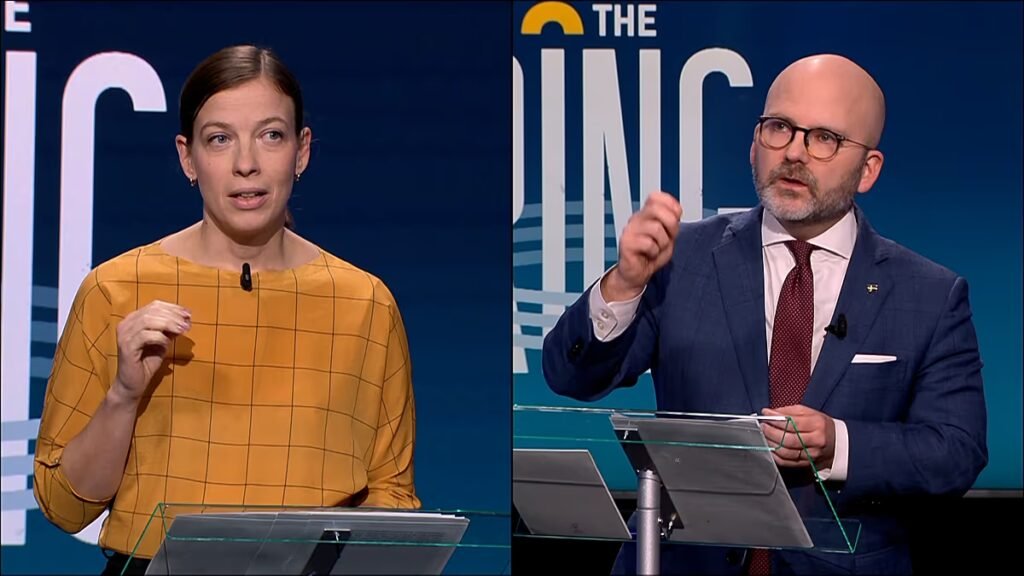
In this critical dialogue, two Members of the European Parliament (MEPs) represent differing perspectives. Charlie Weimers, from the European Conservatives and Reformists, advocates for a more secure approach to border management. In contrast, Li Andersson, from The Left, underscores the necessity of adhering to human rights obligations.
A Closer Look at the MEPs’ Positions
The discussion features insights from both MEPs, who highlight the challenges and opportunities that lie ahead for EU migration policy. Their debate encapsulates the tension between security measures and humanitarian commitments.
Looking Ahead
As the European Parliament navigates this complex landscape, the decisions made today will have lasting implications for the future of migration across Europe. Will the EU embrace a fortified stance on security, or will it lead with compassion and a commitment to upholding human rights?
Conclusion
The evolving conversation on EU migration policy reflects broader social and political dynamics. As the decision deadline approaches, it’s crucial for European leaders to consider both security and humanitarian aspects in shaping policies that serve the diverse needs of their populations.
Key Takeaways:
- The new Migration and Asylum Pact will not be enacted until 2026.
- Debate centers on whether to intensify border controls or uphold human rights.
- MEPs Charlie Weimers and Li Andersson represent contrasting views in the discussion.
- The decisions made now will profoundly shape the future of migration in Europe.