
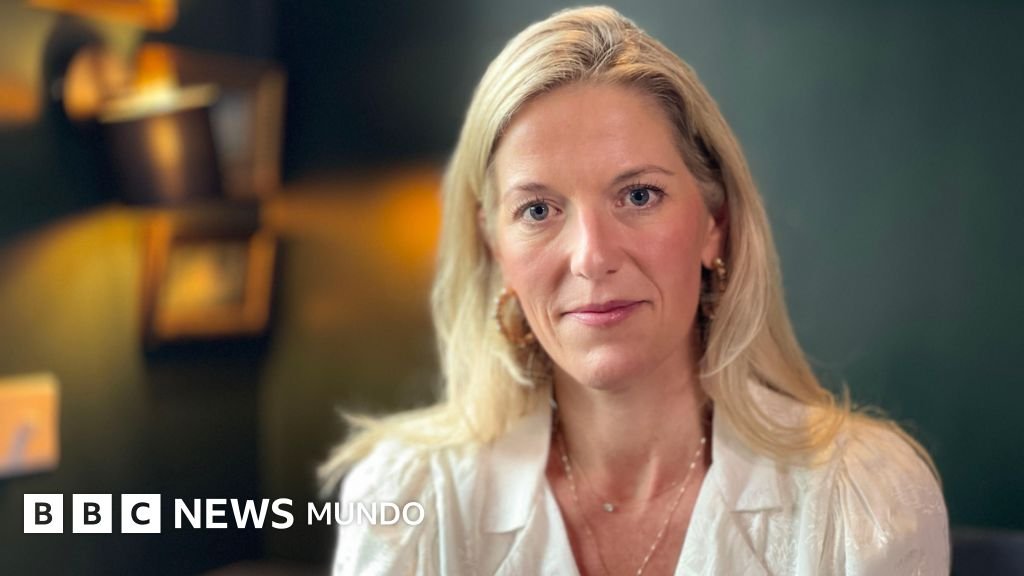
Confronting the Truth: Fiona Rugg’s Journey of Healing
Fiona Rugg’s story delves into the painful legacy left by her father, John Smyth, a man linked to a deeply disturbing history of abuse within the Church of England. In this article, we explore Fiona’s emotional journey as she confronts the unsettling truth behind her father’s actions and the impact it has had on her healing process.
A Shocking Revelation
At 47, Fiona Rugg, the youngest daughter of John Smyth, has recently come to terms with the horrifying truth about her father’s abuse of around 130 children. Smyth, an attorney and leader of a Christian charity, died before facing any legal consequences for his actions. From the late 1970s to early 1980s, he subjected numerous young boys and adolescents to extreme physical and sexual abuse, justified under the guise of spiritual discipline.
As she has slowly unraveled the disturbing legacy of her father’s actions, Rugg has battled feelings of guilt and shame. “I can rationally understand that I am not to blame, but I still feel guilty that my father could do this to others,” she reflected. “He never expressed remorse, and I’m left to confront that reality.”
The Church’s Complicity
The findings of the Makin Report, released in 2024, revealed a blatant cover-up within the church regarding the allegations against Smyth. A clergyman remarked, “I thought it would cause immense harm to God’s work if this became public.” Rugg emphasizes the importance of bringing these truths to light, stating that the narrative of her father’s impunity is rooted in deception and concealment.
A Journey Through Pain
In a candid interview with the BBC, Rugg shared how uncovering the extent of her father’s abuse has contributed to her healing. “I’ve forgiven him, but that forgiveness doesn’t erase the pain or justify his actions. I no longer carry as much shame, though it doesn’t lessen the horror of what he did,” she explained. “There was no sign of repentance from him, and I apologize on his behalf to the victims of his actions.”
Childhood Under Shadow
Rugg recalls an oppressive childhood defined by a constant state of hyper-awareness, shaped by her father’s unpredictable temper. “Fear was the dominant feeling for as long as I can remember,” she said. “Being near my father was terrifying; he was volatile and often angry. I felt guilty for not loving him, sometimes even hating him.”
Despite his abusive behavior, Smyth was perceived as beloved by many, which Rugg found confusing and painful. “When I saw my father behaving affectionately with other children outside, I was told to stay away,” she mentioned. “I often wondered if I was the problem, seeing a side of him that others did not.”
A Reign of Terror
After joining Winchester College in 1973 through its Christian association, Smyth began to abuse students by inviting them to his home for Sunday lunches. He coerced his victims into undressing and subjected them to violent beatings in a soundproof shed, often resulting in severe injuries. These abuses were framed by Smyth as necessary punishment for perceived sins.
An internal investigation into the Iwerne Trust revealed the shocking scale of the abuse in 1982, noting that eight boys endured a total of 14,000 lashes. Rather than alert the authorities, influential figures within the Church enabled Smyth’s escape to avoid public scandal.
A Dark Legacy
When her family was moved to Zimbabwe in 1984, he rebranded his actions as a benevolent mission, claiming he sacrificed his career for ministry work. But the cycle of abuse followed them abroad, as he opened Christian camps where he continued to inflict harm. Tragedy struck when a 16-year-old camper, Guide Nyachuru, died shortly after arriving; the case was dismissed without legal repercussions.
Confronting the Truth
Upon returning to England at 18, Rugg began to sense the troubling legacy of her father. “When people learned who I was, I often saw concern etched on their faces. The atmosphere turned somber,” she recalled. Confronting him over the rumors during Christmas Eve led to a violent outburst from Smyth, sealing Rugg’s suspicions about his guilt.
In February 2017, the public learned of Smyth’s crimes following a Channel 4 investigation. Rugg was shocked to see his face broadcast alongside the details of his reprehensible actions. “I had no idea of the extent of the pain he had caused others. It was horrifying to realize the true nature of his life,” she stated.
A Complex Healing Process
Though Smyth was summoned to testify in 2018, he passed away just days later, never truly facing his past. Rugg now shares that she can discuss her father without bitterness or hatred, having found a path to peace. “In my experience, confronting my father’s actions allowed me to heal and forgive,” she explained. “I still feel sadness, but I no longer carry the burden of his legacy. My relationship with it has transformed.”
Conclusion
Fiona Rugg’s journey is a powerful testament to the resilience of the human spirit. Through confronting painful truths, she has moved towards healing, striving to see beyond the shadow her father cast. Her story serves as a reminder that acknowledging the past can lead to a brighter future.
- Fiona Rugg confronts her father’s legacy of abuse and begins her healing journey.
- The Makin Report highlights a cover-up within the Church regarding Smyth’s actions.
- Rugg’s childhood was marked by fear, confusion, and emotional turmoil.
- She emphasizes the importance of acknowledging painful truths for personal healing.