
A Health Crisis in Cuba: The Impact of Arboviruses
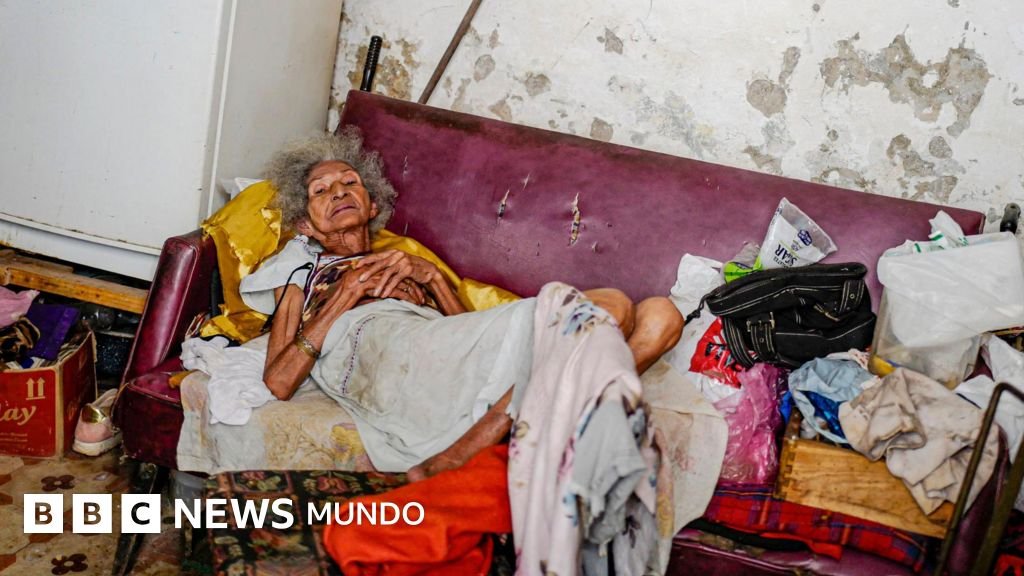
Cuba is currently grappling with a significant public health challenge as residents face the simultaneous spread of several mosquito-borne viruses. High fever, rashes, vomiting, diarrhea, and joint inflammation are the most common symptoms affecting those infected. Many who have recovered are left with lingering health issues, while others live in fear of falling ill themselves.
The Rising Threat of Arboviruses
The “virus” that Cubans fear is actually a combination of three arboviruses: dengue, chikungunya, and oropouche, as reported by the Cuban government along with the World Health Organization (WHO). This situation is exacerbated by the presence of respiratory viruses like COVID-19, further complicating the health landscape on the island.
Worsening Conditions
Reports from the island describe a grim reality. Journalist Yirmara Torres Hernández recently shared her observations on social media, likening Matanzas to a city of the living impaired, with residents struggling in pain. The healthcare system is under immense pressure due to a lack of essential resources—medications, medical supplies, and diagnostic tools are in short supply, causing many to resort to self-medication rather than seeking care in hospitals.
Understaffed Hospitals and Rising Deaths
Official data indicates at least 47 fatalities have resulted from these arboviruses, although many believe there are unreported cases, suggesting the true number is significantly higher. Local sources have indicated multiple instances of recent deaths due to the virus.
Surge in Chikungunya Cases
Recent statistics show a staggering 71% increase in chikungunya cases within just a week. The Ministry of Public Health of Cuba reported nearly 26,000 total cases, but many individuals are hesitant to seek medical assistance unless in critical condition, making it difficult to ascertain the actual infection rates.
Personal Experiences of Illness
Several Cubans shared their harrowing experiences with the virus when interviewed.
Hansel, a 31-year-old engineer from Havana, recalled, “I felt a strong pain in my knee while working. I couldn’t get up from the chair or walk.” What started as a knee ache quickly escalated, leading to severe body pain and high fever. By the fifth day, a widespread rash had developed, marking the continuation of his suffering.
Another individual, referred to as Silvia for privacy, expressed her concerns for her mother and grandmother, both suffering severely under similar conditions. They experience tremors, high fever, and debilitating joint pain, making it impossible for them to get out of bed. Neither Hansel nor Silvia’s family knows what specific virus they have, as seeking medical help feels futile under the current circumstances.
Healthcare System Under Strain
Silvia described that Cuban hospitals are overwhelmed. “The conditions are so poor that it’s difficult to care for patients,” she remarked. Many patients receive little more than hydration and pain relief, while vital diagnostic services are virtually nonexistent.
A Havana professor highlighted that very few people opt for hospital visits, explaining that obtaining an accurate diagnosis and medication is nearly impossible without informal means, leading many to stay home.
Cuba’s Health Decline
Despite Cuba’s self-proclaimed status as a “medical powerhouse,” recent years have seen significant declines in healthcare quality. Economic crisis has left many hospitals ill-equipped to meet even basic medical standards, compounded by the emigration of numerous medical professionals seeking better opportunities abroad.
The Cuban government has implemented measures to combat these outbreaks, including epidemiological surveillance and vector control initiatives. However, the dire economic situation not only hampers treatment for diseases like dengue and chikungunya but also fosters their spread.
The Role of Environmental Factors
Experts explain that poor sanitary conditions in homes and communities contribute to mosquito proliferation, worsening the epidemic’s impact. Residents have pointed out that frequent power outages hinder the use of appliances meant to combat mosquitoes, while accumulating waste creates ideal breeding grounds for these pests.
Ongoing Challenges and Long-Term Effects
The official death toll remains at 47, though independent experts believe the number is likely higher. Many families are mourning recent losses from the outbreak, underscoring the tragedy unfolding on the island.
Long-term consequences of these viruses remain a significant concern, as many patients continue to experience various degrees of pain and limitations following their recovery. Hansel reflected on his lingering discomfort, stating, “Even after weeks, I still find it hard to close my hands and lift objects.”
Conclusion
The current health crisis in Cuba serves as a stark reminder of the vulnerabilities in public health systems, compounded by social and economic challenges. As the situation continues to evolve, the stories of those affected shed light on the pressing need for comprehensive healthcare reforms to better protect the population against such outbreaks.
- Cuba is facing a dual epidemic of dengue, chikungunya, and oropouche viruses.
- Patients often avoid hospitals due to inadequate facilities and lack of supplies.
- Environmental factors, including poor hygiene and power outages, contribute to the spread of diseases.
- Long-term health issues persist for many even after recovery from the virus.