
EU’s Dilemma on Freezing Russian Assets Amid Ongoing War
As the conflict between Russia and Ukraine drags into a harsh fourth winter, not all EU member states support the idea of freezing Russian assets. Concerns about the legal implications and potential backlash from Moscow are at the forefront of discussions. Russian President Vladimir Putin remains steadfast, asserting that Moscow will achieve its objectives, dismissing the West’s preparations for war as “hysteria and a lie.”
The Kremlin’s Stance
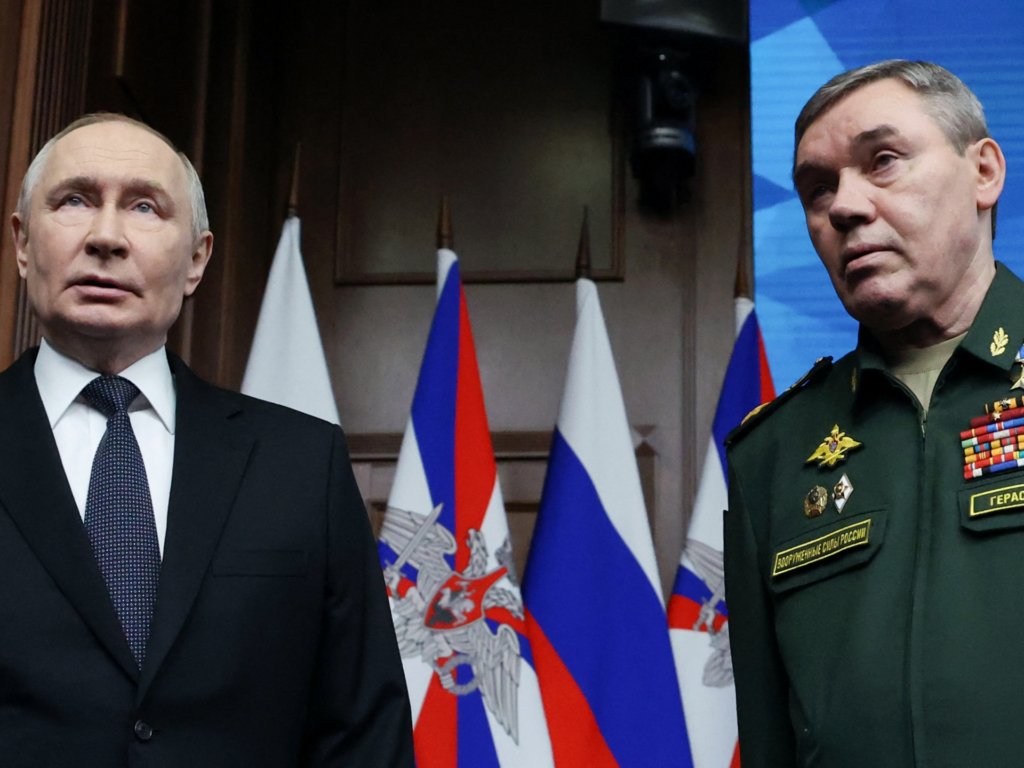
In a recent high-level meeting with defense officials, Putin stated that despite Western claims, Russia’s territorial goals have been “undoubtedly” fulfilled over the past year, with 300 areas reportedly “liberated.” While he claims Moscow favors diplomatic discussions to address the fundamental issues of the conflict, he has indicated readiness to utilize military force to reclaim what Russia considers its historical lands should the West decline substantial negotiations.
EU Leaders Meeting
The context of these remarks aligns with an upcoming summit of European Union leaders, where they will deliberate the potential use of approximately 210 billion euros (around $246 billion) in frozen Russian central bank assets to support Ukraine’s military and economic recovery.
“One thing is very, very clear,” stated European Commission President Ursula von der Leyen to EU lawmakers. “We must make the decision to fund Ukraine for the next two years at this European Council.”
Negotiations and Concerns
European Council President António Costa has pledged to extend negotiations until a consensus is reached, regardless of how long it may take. The goal is to allocate these frozen funds to provide a 90 billion euros ($105 billion) “reparations loan” to assist Ukraine. However, several countries, including Belgium and Italy, have voiced strong objections or have significant reservations, expressing worries about the legal standing of such actions and their potential to undermine investor confidence in European markets.
Italy’s Perspective
Italian Prime Minister Giorgia Meloni commented on the constructive nature of recent negotiations, yet acknowledged the “far from easy” task of finding a legal framework to utilize Russian assets for Ukraine’s benefit. She emphasized that Italy demands a solid legal basis for any proposed measures.
UK’s Humanitarian Efforts
Meanwhile, UK Prime Minister Keir Starmer announced that the government would formally direct 2.5 billion pounds (around $3.3 billion) from the proceeds of Roman Abramovich’s sale of Chelsea FC to humanitarian initiatives in Ukraine. Starmer insisted that Abramovich must “pay up,” following pressure from the British government after Russia’s invasion.
Current Battlefield Dynamics
On the ground, Ukraine has claimed control of 90 percent of Kupiansk, a town in the Kharkiv region, which Russia previously captured in November. Russian Defence Minister Andrei Belousov asserted that Ukrainian forces are struggling to maintain control in that area.
Territorial Control Overview
Currently, Russia claims to have control over key regions, including:
- All of Crimea
- Approximately 90 percent of the eastern Donbas region (Donetsk and Luhansk)
- 75 percent of Kherson and Zaporizhia
- Parts of surrounding areas such as Kharkiv, Sumy, Dnipropetrovsk, and Mykolaiv
Recently, both nations have intensified their attacks on each other’s energy infrastructure and oil refineries, raising stakes in the ongoing conflict.
Conclusion
The ongoing discussion within the EU regarding the freezing of Russian assets underscores a complex web of legal and political considerations amid a devastating war. As each member state weighs its options, the humanitarian needs in Ukraine remain critical.
Key Takeaways
- Not all EU nations support freezing Russian assets due to legal concerns.
- Putin claims that Russia’s objectives will be achieved through military means if necessary.
- EU leaders are set to discuss utilizing frozen assets to aid Ukraine.
- UK plans to direct substantial funds from a Russian oligarch for humanitarian aid in Ukraine.