
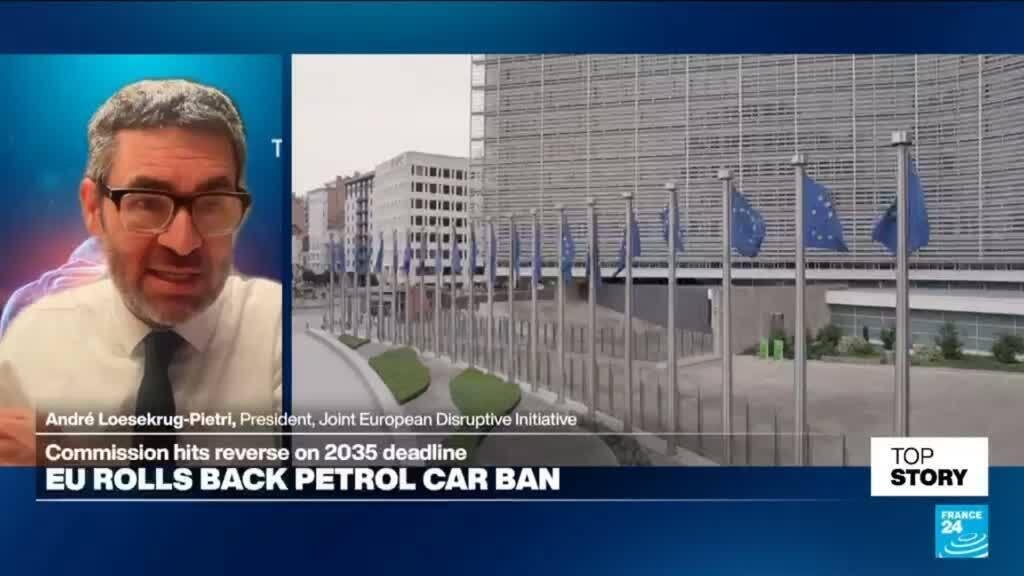
Changes to EU Regulations on Combustion Engine Cars
The European Union is revisiting its 2023 legislation that aimed to prohibit the sale of new internal combustion engine vehicles by 2035. This new proposal suggests a shift in focus from a complete 100% reduction in carbon dioxide emissions compared to 2021 levels to a more gradual 90% reduction. This adjustment means that a limited production of petrol and hybrid vehicles could still take place, responding to the auto industry’s concerns over slow electric vehicle (EV) market growth.
A Shift in Policy
Initially, the EU had set ambitious targets aimed at diminishing CO2 emissions significantly to combat climate change. However, with challenges in the transition toward electric vehicles, the proposal rethinks this approach. By reducing the required emissions limit from a total ban to a 90% cut, the regulation provides some breathing room for car manufacturers who are navigating a difficult market landscape.
Industry Pressures and Lobbying
As the demand for electric vehicles has not grown as rapidly as anticipated, the automotive sector and several EU member states have been actively lobbying for a revision of these stringent rules. This approach aims to ensure that companies can continue operating and innovating, even as they work towards greener alternatives.
Insight from Industry Leaders
André Loesekrug-Petri, the President of the Joint European Disruptive Initiative, offers a perspective on these developments, emphasizing the importance of maintaining a balance between environmental commitments and economic realities. His insights reflect the concerns many stakeholders share about the feasibility of enforcing such strict regulations in the current market climate.
Conclusion
The European Union’s proposal to modify its earlier stance on combustion engine vehicles highlights a crucial juncture in the transition to greener transportation. By allowing a partial continuation of petrol and hybrid vehicle production, the EU recognizes the complexities facing the auto industry. As discussions unfold, it will be essential to monitor how these changes impact both manufacturers and consumers moving forward.
Key Takeaways
- The EU is considering changes to its 2023 law banning new internal combustion engine cars by 2035.
- A proposed reduction in CO2 emissions from 100% to 90% may allow for some petrol and hybrid vehicle production.
- The auto industry is lobbying for more lenient regulations amidst slow EV market growth.
- Insights from industry leaders underscore the need for balancing environmental goals with economic viability.