
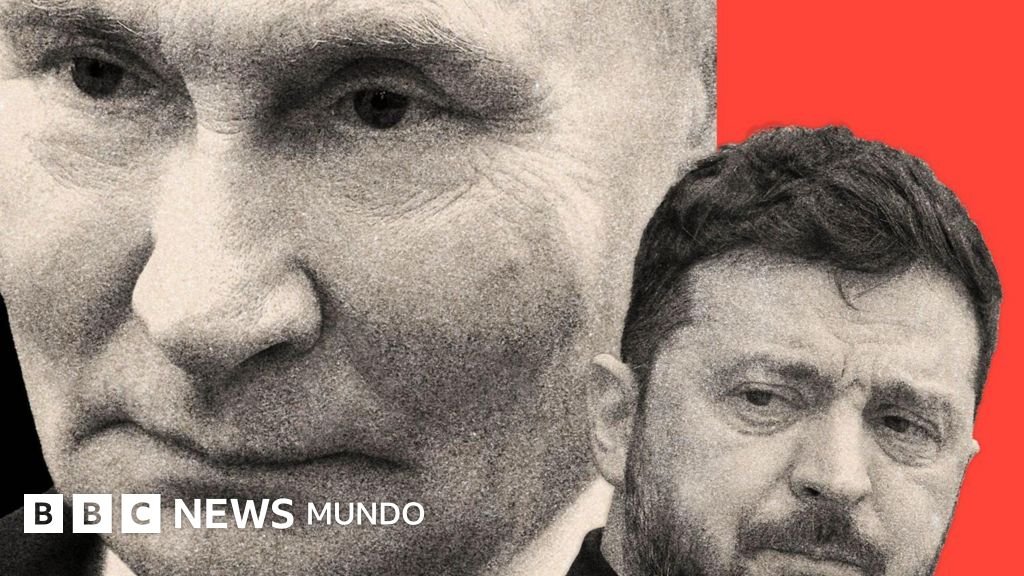
Vladimir Putin and the Shifting Dynamics of Diplomacy
Vladimir Putin’s reputation paints him as a master manipulator in the realm of international relations, yet he lacks the proverbial poker face. The late U.S. Senator John McCain famously remarked that when he looked into Putin’s eyes, he saw “a K, a G, and a B,” alluding to Putin’s past as a KGB officer. As I observed images of the Russian leader meeting with U.S. diplomats in the Kremlin, it struck me how effortlessly he projected confidence and emotion.
Shifting Diplomatic Tides
President Putin believes that the diplomatic landscape is turning in his favor, buoyed by improved relations with the U.S. and progress on the battlefield. Some analysts assert that he has no real incentive to backtrack on his demands, which include:
- Ukraine ceding the remaining 20% of Donetsk under its control,
- The international recognition of all occupied territories as part of Russia,
- A significant reduction of the Ukrainian army,
- Perpetual dismissal of Kyiv’s NATO membership aspirations.
Potential Scenarios Ahead
As the situation unfolds, several scenarios emerge. One possibility involves U.S. President Donald Trump pushing Ukraine toward a ceasefire under terms unfavorable for its citizens, potentially leading to territorial concessions without adequate security guarantees.
If Ukraine resists or if Russia disagrees, Trump has suggested he might distance himself from the conflict, stating, “sometimes you have to let people fight it out.” He could also withdraw crucial U.S. intelligence that aids Ukraine in detecting incoming Russian drones and targeting energy facilities.
European Perspectives
Currently, Europe is bracing for a potential ceasefire while organizing an international military coalition to aid Ukraine against future Russian aggressions, coupled with financial support for rebuilding the war-torn nation. Yet, some officials warn that Europe should prepare for a protracted conflict, offering long-term assistance rather than merely immediate support for short-term victories.
There are suggestions for Europe to enhance its defensive measures, including protecting Ukrainian airspace from drones and missiles and possibly deploying European troops to monitor western Ukrainian borders, thereby freeing up local soldiers for frontline battles. However, such proposals often raise concerns about provoking Russia.
Assessing Military Capabilities
With the challenges faced by Ukrainian forces, some argue that a broader mobilization of troops might be necessary. Currently, the country, despite being the second largest military power in Europe, struggles to defend an extensive front. After nearly four years of war, many soldiers are exhausted, leading to increased desertions.
Ukrainian military recruiters face difficulties as younger men evade enlistment or flee abroad. Nonetheless, some suggest that updates to recruitment laws could bolster ranks.
The Role of Sanctions
Sanctions have become a pivotal tool in exerting pressure on Russia. The nation’s economy has been suffering, marked by rising inflation and budget deficits. Nonetheless, the Kremlin has thus far weathered these challenges, finding ways to circumvent restrictions, including creative tactics like rebranding exported oil.
Experts indicate that to genuinely impact Russia’s wartime economy, Western nations need to adopt stricter embargos and implement stringent sanctions against countries still purchasing Russian oil.
A Diplomatic Path Forward?
Some analysts argue that an exit strategy needs to be offered to Putin, potentially allowing both sides to claim a form of victory. This could involve a ceasefire along current lines, compromises on demilitarization, and avoiding formal territorial recognition. However, such an agreement would require robust U.S. involvement to bring both parties to the negotiating table.
The Influence of China
China’s role in this conflict cannot be overlooked. President Xi Jinping represents one of the few leaders with the potential to sway Putin’s decisions. As Russia relies heavily on Chinese supply chains for military necessities, a shift in Beijing’s stance could greatly influence the Kremlin’s calculations.
Conclusion
Putin appears confident that he can sustain the war long enough to tilt circumstances in his favor. As the conflict lingers, the more the morale and unity of Ukraine’s allies may wane, and the more territory Russia could potentially capture in Donetsk.
Key Takeaways
- Putin’s current position is reinforced by perceived diplomatic advantages and battlefield progress.
- The West faces challenges in supporting Ukraine amidst fears of escalating conflict.
- A shift in China’s stance could significantly impact Russian strategies moving forward.
- Long-term support for Ukraine may be necessary as both sides prepare for a prolonged confrontation.