
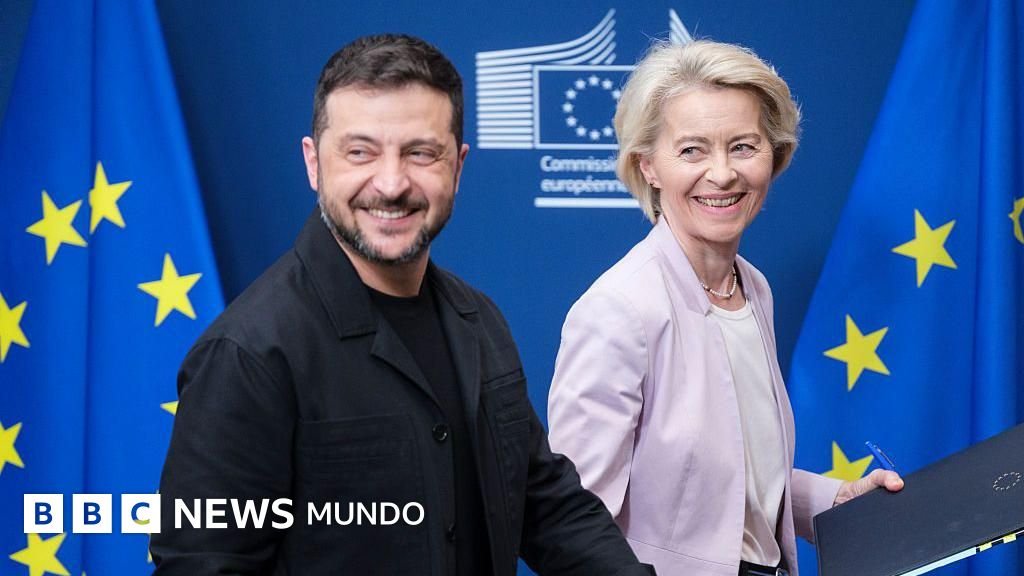
EU Plans to Use Frozen Russian Assets for Ukrainian Reconstruction
The idea of utilizing frozen Russian assets to aid Ukraine’s reconstruction has gained traction among EU governments. This article explores the implications of this plan, the financial realities Ukraine faces, and the reactions from various stakeholders.
European Governments Agree on Frozen Assets
The leaders of the European Union have reached a consensus to indefinitely freeze Russian assets worth up to €210 billion (approximately $246 billion) that have been secured in the eurozone since Russia’s large-scale invasion of Ukraine began. A significant portion of these assets resides in the Belgian bank Euroclear, and EU leaders anticipate a breakthrough agreement at the upcoming EU summit to utilize these funds for a loan intended to bolster Kyiv’s military and economic stability.
Ukraine’s Financial Struggles
After nearly four years of extensive conflict with Russia, Ukraine is in dire financial straits, needing approximately $159 billion over the next two years. Europe aims to cover two-thirds of this requirement; however, Russian officials have accused the EU of theft. In retaliation, the Central Bank of Russia announced plans to sue Euroclear in a Moscow court regarding the EU’s loan initiative.
Ukrainian President’s Stance
Ukrainian President Volodymyr Zelensky stated, “It’s fair that Russia’s frozen assets be utilized to rebuild what they have destroyed.” He emphasized that this financial support is crucial for Ukraine to defend itself against future aggressions. German Chancellor Friedrich Merz echoed this sentiment, asserting that these assets would strengthen Ukraine’s defense capabilities.
Legal and Financial Concerns
The reaction from Russia was anticipated in Brussels, where European Economic Commissioner Valdis Dombrovskis claimed that EU financial institutions are well-protected against such legal challenges. However, Belgium harbors fears about potential liabilities that could arise if the situation turns adverse, prompting Euroclear’s CEO, Valérie Urbain, to warn that utilizing Russian funds could jeopardize the stability of the international financial system.
Belgium’s Conditions
Belgium’s Prime Minister Bart De Wever has laid down “rational, reasonable, and justified conditions” for accepting the reparations plan, insisting he would not rule out legal action if significant risks arise for the country.
EU’s Strategies
With the upcoming summit on Thursday, the EU is racing against the clock to establish a solution that aligns with Belgium’s requirements. Thus far, the EU has been cautious about directly accessing frozen assets, instead using extraordinary profits generated from them as support for Ukraine. In 2024, this amount reached approximately $4.345 billion. The legal utilization of interest appears secure since Russia is under sanctions, making the income derived from these assets non-sovereign.
Presently, the EU has two proposals aimed at providing Ukraine with around $105 billion to meet two-thirds of its financial needs. One approach involves raising capital in the financial markets, backed by the EU budget—a preferred method for Belgium but dependent on unanimous approval from EU leaders. The alternative would involve loaning funds to Ukraine sourced from the frozen Russian assets, which have largely shifted to cash.
Guarantees and Protections
The European Commission has acknowledged Belgium’s legitimate concerns and claims to have reached resolutions that would ensure robust protections for the country. The strategy includes compelling assurances covering the €210 billion worth of frozen Russian assets held in the EU.
The Road Ahead
In a significant breakthrough, EU ambassadors have agreed to indefinitely freeze the assets of Russia’s central bank located in Europe, transitioning from a system requiring biannual unanimous votes for continued freezing. Instead, these assets will remain frozen as long as a “direct threat to the economic interests of the Union” persists or until Russia fulfills its war reparations to Ukraine. Swedish Finance Minister Elisabeth Svantesson termed this decision a crucial step towards extended support for Ukraine while protecting democracy.
Belgium’s Standpoint
While Belgium remains committed to Ukraine, it concerns itself with the legal ramifications of the proposed initiative. The typically divided political landscape in Belgium has united behind Prime Minister De Wever, who is under pressure from peers in Europe. He stressed that the upcoming EU decisions will be materially significant and affirmed collaboration with the UK to ensure ongoing support for Ukraine as a free, democratic, and sovereign nation.
Conclusion
The unfolding situation concerning the frozen Russian assets illustrates the complex interplay of legal, financial, and political factors within the EU. As Ukraine navigates its path towards reconstruction amidst ongoing conflicts, the decisions made at the forthcoming summit could greatly influence the nation’s future stability and security.
Key Takeaways:
- The EU plans to indefinitely freeze $246 billion in Russian assets.
- Ukraine requires $159 billion over the next two years to sustain its economy and military.
- Belgium remains cautious about potential legal risks while supporting Ukraine.
- Indefinite asset freezing is a crucial step to protect EU interests during ongoing conflicts.