
The Lasting Impact of the Bosnian War: A Look Back 30 Years Later
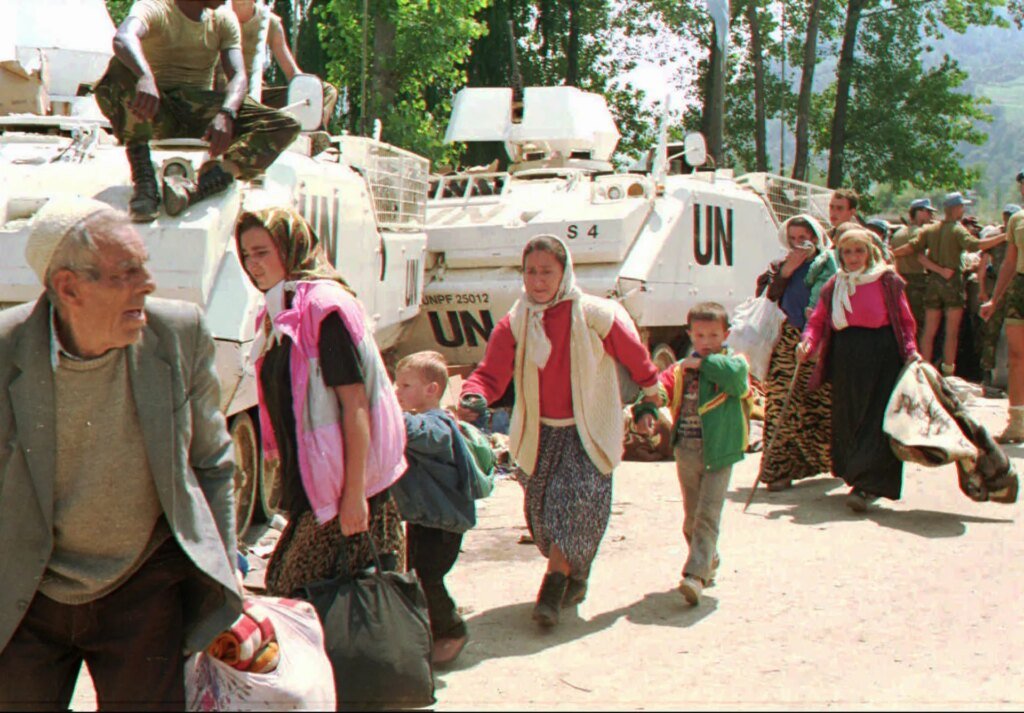
Three decades after the Bosnian War, the country of Bosnia and Herzegovina continues to grapple with the profound scars left by ethnic cleansing campaigns that resulted in the deaths of around 100,000 individuals and the displacement of over two million. This devastating conflict, which spanned from 1992 to 1995, was ignited by ethnic discord and rival nationalist agendas during Yugoslavia’s violent disintegration. Among its most horrific chapters was the genocide at Srebrenica in 1995, the worst atrocity on European soil since World War II.
Understanding the Origins of the Conflict
The roots of the war can be traced back to Bosnia’s status as one of the six republics within the Socialist Federal Republic of Yugoslavia, a collective established during World War II. Under the leadership of Josip Broz Tito, this federation was relatively stable for decades. However, after Tito’s passing in 1980, a series of economic downturns and surging nationalist sentiments—especially in Serbia and Croatia—sparked calls for independence across the republics. Slovenia and Croatia took the first steps in 1991, with Macedonia soon following in early 1992, hastening Yugoslavia’s collapse.
On March 1, 1992, Bosnia and Herzegovina conducted a referendum that yielded a striking 99.7 percent approval for independence among participants, though many Bosnian Serbs chose to boycott the vote. Instead, they established their own governance structures that later evolved into the Republika Srpska (RS) within Bosnia. This push for independence unfolded amid Serbia’s confrontational separatist tactics under Slobodan Milosevic, who aimed to consolidate Serbian regions in both Bosnia and Croatia. On April 6, 1992, the European Community recognized Bosnia and Herzegovina as a sovereign state; within weeks, Bosnian Serb forces, backed by the Yugoslav People’s Army, began their coordinated campaigns to seize territory and expel non-Serbs.
The Siege of Sarajevo and Escalation of Violence
The city of Sarajevo fell under siege on April 5, 1992, marking the longest blockading of a city in modern European history. For nearly 43 months, Bosnian Serb forces bombarded civilian areas, cut off water and electricity supplies, and systematically targeted residents, resulting in the deaths of about 11,000 people. This horrifying violence led to sweeping sanctions from the United Nations Security Council against Serbia and Montenegro for facilitating ethnic cleansing in Bosnia.
In October 1992, hostilities escalated further as Croat forces attacked Bosniak communities in Prozor, triggering a separate conflict between Croats and Bosniaks, each with their campaigns of ethnic cleansing. This period saw numerous atrocities, including systematic killings, sexual violence, and forced displacements, particularly against Bosniaks.
Casualties and Displacement
A post-war assessment by Bosnian authorities estimated that approximately 104,000 individuals perished during the conflict, with a significant majority being civilians. Most of those killed were Bosniaks. Additionally, around 2.2 million people—over half of Bosnia’s pre-war population—were forcibly displaced, many of whom have yet to return to their homes.
Timeline of Key Atrocities
- 1992: Ethnic cleansing in Prijedor and the siege of Sarajevo began, with Bosniak and Bosnian Croat civilians brutally tortured and killed in detention camps.
- 1993: The UN designated Srebrenica as a “safe area,” yet massacres persisted, including the Ahmici massacre where over 100 Bosniaks were murdered.
- 1994-1995: Continued violence in Sarajevo, highlighting market attacks that resulted in civilian casualties and increased pressure for international intervention.
The Genocide at Srebrenica
By 1995, Srebrenica had become a refuge for many Bosniaks fleeing hostilities, yet it was surrounded by Bosnian Serb forces. Despite its designation as a protected zone by the UN, Srebrenica was not safe. Following orders from Bosnian Serb leaders, forces advanced on the enclave in early July 1995. Within a short span, they isolated and executed over 8,000 Bosniak men and boys while forcibly expelling around 20,000 women, children, and elders. The severity of these actions led to subsequent rulings declaring these acts as genocide.
The War’s Conclusion and the Dayton Accords
Although Western nations had been hesitant to intervene early on, the genocide at Srebrenica catalyzed a shift in strategy. NATO initiated a robust air campaign against Bosnian Serb forces in the latter half of 1995, paving the way for the Dayton Peace Agreement, which effectively concluded the war. This agreement, reached in November 1995 amidst talks in the United States, established a framework for Bosnia’s future governance, dividing the nation into two primary entities: the Federation of Bosnia and Herzegovina and Republika Srpska.
Post-War Political Landscape
The Dayton Accords aimed not only to halt hostilities but also to address the complexities of a post-war governance structure. While it included provisions for the return of refugees and displaced individuals, many obstacles hindered the successful implementation of these rights. Remaining minefields, destroyed properties, economic challenges, fear, and persistent ethnic divisions have left entire communities, especially survivors of the Srebrenica genocide, still in limbo, with many resettling in countries like the United States and Australia.
Accountability for Atrocities
In response to the widespread violations of humanitarian law, the UN established the International Criminal Tribunal for the former Yugoslavia (ICTY) in 1993. Over 24 years, the tribunal indicted 161 individuals for their roles in wartime crimes, with 90 ultimately receiving convictions. Notably, figures such as Radovan Karadzic and Ratko Mladic were sentenced to life imprisonment for their roles in the genocide and other crimes. Despite these legal proceedings, many survivors continue to feel that justice remains unfulfilled as significant numbers of perpetrators evade accountability.
Conclusion
Even three decades later, the echoes of the Bosnian War resonate deeply within the fabric of society. The struggle for truth, reconciliation, and justice continues as the nation navigates the complex legacy of one of Europe’s darkest chapters.
Key Takeaways
- Bosnia and Herzegovina remains affected by the legacy of the 1992-1995 war, which claimed around 100,000 lives and displaced millions.
- The genocide at Srebrenica represents a pivotal tragedy and is recognized as genocide by international courts.
- The Dayton Peace Agreement established Bosnia’s current political framework but has faced challenges in implementation, particularly regarding refugee return.
- Efforts to achieve justice have led to significant convictions, yet many perpetrators remain unpunished and survivors still seek closure.