
Positive Climate Milestones of 2025
This year has been marked by both environmental challenges and significant achievements. Despite the ongoing rise in emissions and decline in nature, 2025 has seen noteworthy progress in clean energy, conservation, and the empowerment of indigenous rights. This article highlights six key milestones that have shaped the landscape of climate action this year.
1. Growth in Renewable Energy
In a remarkable shift, renewable energy sources, including wind and solar, have overtaken coal as the primary source of global electricity in 2025. This growth has been largely driven by China’s massive expansion of clean energy production, allowing it to lead in clean technology exports. Alongside its impressive solar energy advancements, China is also utilizing extreme storm energy through typhoon-resistant wind farms.
Other nations have made significant strides as well. In the UK, a review indicated that wind energy became the largest individual energy source last year, covering about one-third of the country’s energy needs, while coal has nearly faded as an energy source. The UK is also progressing on energy storage solutions by initiating the construction of the world’s largest liquid air battery storage facility in the north.
Globally, renewable energy capacity is surging, with growth accelerating in over 80% of countries. By 2030, total renewable energy capacity is projected to double compared to current levels, as reported by the International Energy Agency.
2. Ocean Protections
A staggering two-thirds of the world’s oceans fall outside national jurisdictions, with only 1% currently protected. However, that is on the cusp of transformation. In 2023, a global treaty was finally ratified by enough countries to take effect, committing to dedicating 30% of these waters to Marine Protected Areas (MPAs) aimed at preserving healthy habitats, species, and ecosystems.
Moreover, national waters have received additional protections, with the establishment of the world’s largest MPA in Tainui Atea, French Polynesia, aimed at safeguarding 1,100,000 km² of ocean.
3. Forest Recovery
This year, Brazil hosted COP30, marking the first global climate conference held in the Amazon rainforest and spotlighting forest issues. Although Brazil faced criticism, it announced plans for a “roadmap” to fulfill its previous commitment to halt deforestation by 2030, supported by over 90 nations.
The country also launched the Permanent Tropical Forest Facility (TFFF), aimed at enhancing the value of maintaining existing forests over their destruction, offering economic rewards for verified successful conservation efforts. While its targeted funding amount is $125 billion, only $6.7 billion has currently been pledged.
Recent data shows deforestation in Brazil’s Amazon fell by 11% in the year leading up to July 2025, achieving the lowest rate in over a decade. The global annual deforestation rate has decreased by 38% from 2015-2025 compared to 1990-2000, although 10.9 million hectares (26.9 million acres) are still cleared every year.
4. Historic Legal Ruling
This year, the International Court of Justice (ICJ) made a landmark ruling, potentially paving the way for countries to sue each other over climate change impacts. This decision could empower nations heavily affected by climate change to take legal action against major polluters. While the ruling is not binding on the ICJ or national courts, its findings carry considerable weight and could significantly influence climate-related legal cases globally.
5. Wildlife Triumphs
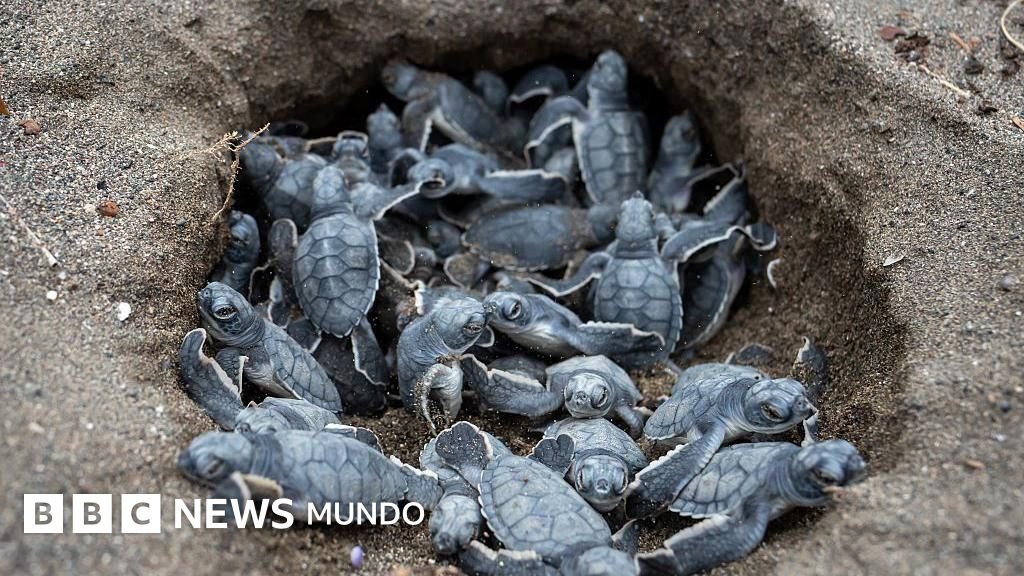
Several endangered species have exhibited remarkable recoveries this year. Green turtles, which faced severe population declines due to hunting, have now rebounded thanks to decades of conservation efforts, including hatchling releases and improved fishing practices. This year, they were reclassified from “endangered” to “least concern” on the International Union for Conservation of Nature’s Red List. Florida also recorded a record nesting season for sea turtles, with over 2,000 leatherback nests.
Additionally, India has become home to 75% of the world’s tiger population, doubling its numbers to over 3,600 in just over a decade.
6. Indigenous Developments
In 2025, indigenous peoples gained formal recognition at the UN level as leaders in environmental stewardship and management. The conclusion of the COP16 biodiversity summit in February resulted in an official voice for indigenous peoples in global conservation decision-making. The establishment of a new standing committee solidified this right, transitioning their previous informal status to something more permanent.
During the climate summit in Brazil, indigenous representation was at its highest, emphasizing the importance of ancestral knowledge. While new commitments for funding and territorial rights were made, concerns remain over the real-world impacts, particularly following reports of violence against indigenous leaders.
Conclusion
2025 has been a year of notable achievements in climate action despite ongoing challenges. From advancements in renewable energy to legal victories for climate justice, positive movements are shaping a hopeful future for our planet. As we continue to strive for sustainability, these milestones serve as a reminder of what can be accomplished through collaboration and commitment.
Key Takeaways
- Renewable energy sources have overtaken coal globally for electricity generation.
- A historic global treaty commits to protecting 30% of international waters.
- Brazil has announced plans to end deforestation by 2030 while promoting forest conservation.
- Indigenous peoples gained a formal voice in global environmental governance.